
Japanese to Turkish Manga Translator
For Japanese manga images you have permission to work with, Turkish translation requires careful handling of grammar, layout, and honorifics. Japanese and Turkish are surprisingly similar in some ways — both are SOV languages — but wildly different in others, from how words are built to how respect is expressed. Turkish's agglutinative structure can produce single words longer than entire Japanese phrases, creating space problems in speech bubbles. Vowel harmony rules affect how Japanese names get Turkish suffixes, and the honorific mapping between -san/-senpai and sen/siz/abi requires careful contextual judgment. Only use this with images you own, made, licensed, or have permission to work with.
Translate an image you can useSee It in Action
Compare a source image you can use with its translated result

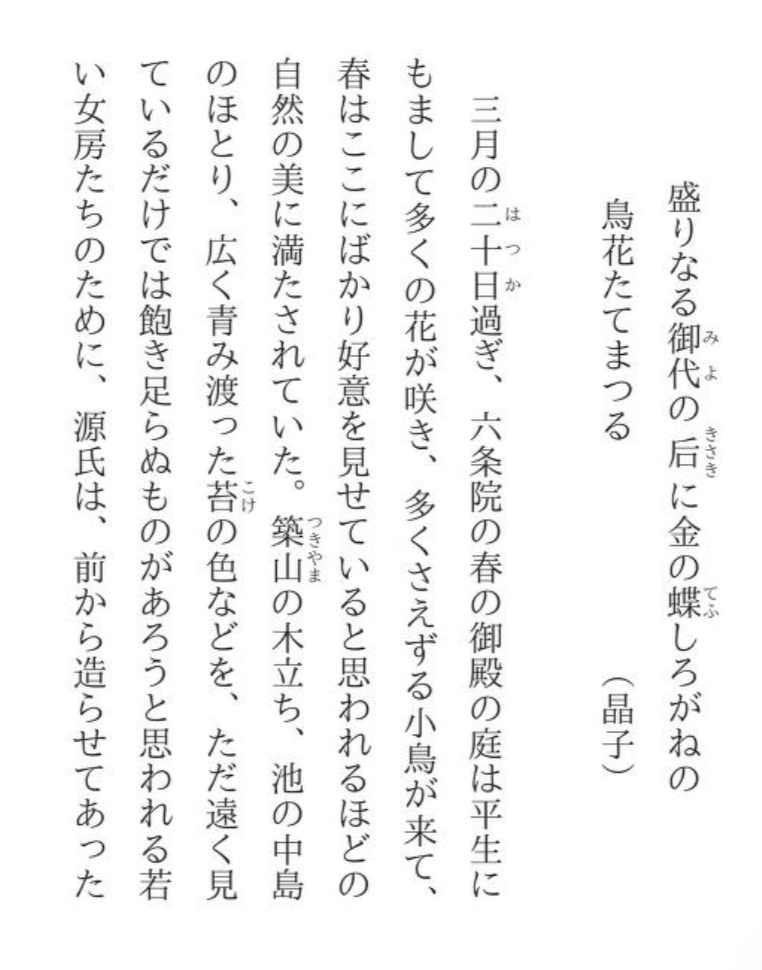
Japanese manga → Turkish translation

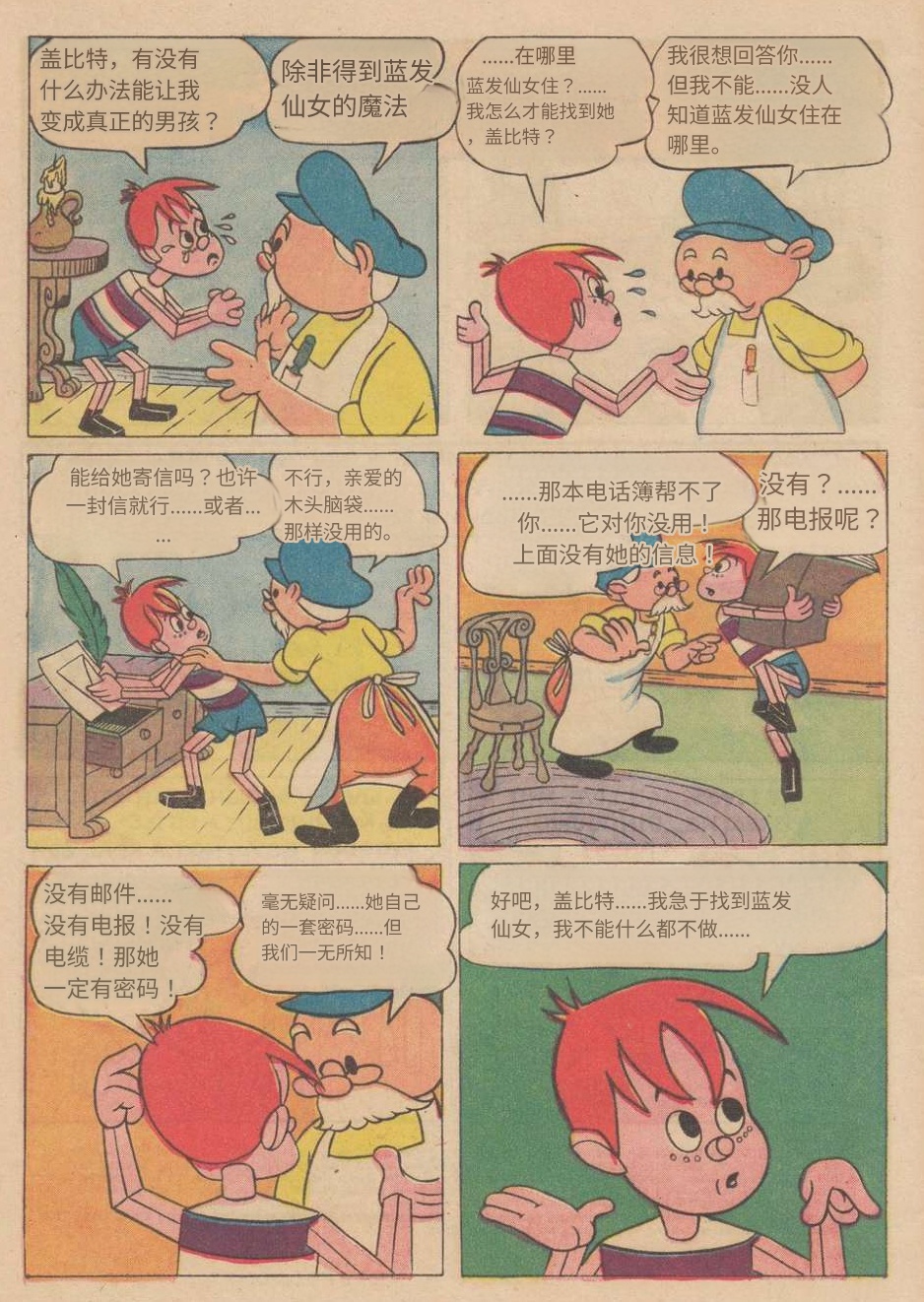
Chinese manga → Turkish translation
About Japanese Script & OCR
Translation Challenges: Japanese → Turkish
Turkish Agglutinative Structure vs. Japanese Brevity
Turkish builds meaning by stacking suffixes onto root words, creating long single words like 'goremeyeceklerimizden' (from those we won't be able to see). While Japanese also uses suffixes, its manga dialogue tends to be visually compact. A short Japanese phrase can balloon into a much longer Turkish word that threatens to overflow speech bubbles. The translator finds a balance between grammatically correct Turkish and the practical space limits of manga panels.
Turkish Vowel Harmony Affecting Loanwords and Adaptations
Turkish has strict vowel harmony rules that affect how words are built and modified. When Japanese terms, character names, or onomatopoeia are adapted into Turkish, they need to follow these phonetic patterns to sound natural. A suffix added to a Japanese name must respect vowel harmony (front/back, rounded/unrounded), or the result will sound jarring to Turkish readers.
Honorific Mapping Between Japanese and Turkish
Japanese honorifics (-san, -kun, -chan, -sama, -senpai) encode specific social relationships. Turkish has its own respect system with 'sen' (informal you) vs. 'siz' (formal you), plus respectful suffixes like '-bey' and '-hanim,' and terms like 'abi/abla' (older brother/sister used for close-but-respected relationships). The mapping isn't straightforward: Japanese -senpai might translate to 'abi' in some contexts but 'bey' in others, depending on the characters' dynamic.
Turkish Manga Community Conventions
The Turkish manga reading community has established conventions for how certain Japanese terms and expressions are handled. Some terms like 'sensei' or 'senpai' are often kept in Japanese by Turkish manga translators, while others are fully adapted. The translator produces output that feels consistent with what Turkish manga readers are accustomed to, rather than creating translations that feel disconnected from the community's norms.
Common Japanese to Turkish Manga Phrases
| Original | Romanization | Meaning | Turkish |
|---|---|---|---|
| まさか! | Masaka! | No way! Impossible! | Olamaz! / Bu mumkun degil! |
| うるさい! | Urusai! | Shut up! You're annoying! | Sus! / Kapa cenesini! |
| 頑張れ! | Ganbare! | Do your best! Keep going! | Hadi! / Elinden gelenin en iyisini yap! |
| なるほど | Naruhodo | I see; That makes sense | Anliyorum / Haklisin |
| ドキドキ | Doki doki | Heart pounding with excitement or nervousness (SFX) | Kup kup / Kalp atisi |
| すごい! | Sugoi! | Amazing! Incredible! | Harika! / Inanilmaz! |
| お邪魔します | Ojama shimasu | Excuse my intrusion (when entering someone's home) | Rahatsiz ettim / Izninizle |
| ごめん | Gomen | Sorry (informal) | Pardon / Ozur dilerim |
Japanese to Turkish Manga Translation Tips
- 1
Watch Word Length in Speech Bubbles
Turkish agglutination can produce words that are much longer than their Japanese equivalents. After translation, check that Turkish words and phrases actually fit in the speech bubbles. If a word is too long, consider splitting the sentence or using a shorter synonym. 'Gorusemeyecegimizden' is grammatically correct but might need to become 'gorusemedigimiz icin' to fit.
- 2
Use Sen/Siz Switches to Mirror Honorific Changes
When manga characters change how they address each other (dropping honorifics, switching from -san to first name), reflect this in Turkish by switching between 'siz' and 'sen.' You can also use Turkish-specific respect markers like 'abi' or 'abla' for senpai-like relationships to give the translation an authentic feel.
- 3
Respect Vowel Harmony in Adaptations
When Japanese names or terms get Turkish suffixes (which is inevitable in an agglutinative language), make sure vowel harmony is followed. If a character named 'Sakura' needs a possessive suffix, it should be 'Sakura'nin' (following back vowel harmony), not an arbitrary suffix form. Turkish readers notice these details instantly.
- 4
Follow Turkish Manga Community Conventions
Some Japanese terms are commonly left untranslated in Turkish manga translations (like 'sensei,' 'senpai,' or 'bento'). Check what the Turkish manga community typically does with specific terms before fully translating everything. Sometimes keeping a Japanese term with context is more natural than forcing a Turkish equivalent.
Japanese to Turkish Translation FAQ
Will long Turkish words fit in manga speech bubbles?▾
The translator keeps Turkish text concise where possible, but agglutinative words can sometimes run long. The editing interface lets you rephrase or shorten any text that overflows its bubble. In most cases, the tool finds a balance between correct Turkish grammar and practical space constraints.
How does the tool handle Japanese honorifics in Turkish?▾
The tool maps Japanese honorifics to Turkish equivalents where natural matches exist: sen/siz for formality, abi/abla for senpai-like relationships, and bey/hanim for formal address. Honorifics like -chan or -sama that lack direct Turkish equivalents are handled contextually through tone and phrasing.
Does the translator work with vertical Japanese text?▾
Yes, the OCR engine handles vertical Japanese text that's standard in manga. It reads the text in the correct direction and outputs Turkish in standard horizontal Latin-script format.
Will Japanese names get correct Turkish suffixes?▾
The AI applies Turkish vowel harmony rules when adding suffixes to Japanese names and terms. Some edge cases may need manual correction, especially for unusual names. The editing interface makes it easy to fix any suffix harmony issues.
Can I edit the Turkish translation afterward?▾
Yes, the platform includes a full editing interface for reviewing and modifying translated text. This is useful for adjusting word length in tight bubbles, fine-tuning honorific choices, or aligning translations with Turkish manga community conventions.
More Japanese Translation Tools
Japanese to English Manga Translator
Translate Japanese manga to English from images. Handles kanji, hiragana, katakana OCR, honorifics, onomatopoeia, and right-to-left panel layouts. Use images you have permission to work with.
Japanese to French Manga Translator
Translate Japanese manga to French with image translation. Handles vertical text, onomatopoeia, and tu/vous honorific mapping for French readers. Use images you have permission to work with.
Japanese to Portuguese Manga Translator
Translate Japanese manga to Portuguese with image translation. Handles SOV-to-SVO restructuring, gendered nouns, and onomatopoeia adaptation. Use images you have permission to work with.
Comedy Gag Manga Translation Guide
Master the art of translating Comedy Gag manga with this in-depth guide. Learn about unique challenges, essential Japanese terms, and practical tips for
Fantasy Adventure Manga Translation Guide
Explore the unique challenges and essential terminology of translating Fantasy Adventure manga. This guide covers common tropes, vocabulary, and practical
Historical Manga Translation Guide: Navigating Feudal Japan and Beyond
Dive into the unique challenges of translating historical manga. Learn essential Japanese terms, cultural nuances, and common tropes to accurately convey
Japanese Manga Comedy Sound Effects (SFX) Glossary
Explore 28 essential Japanese comedy sound effects (SFX) used in manga. This glossary helps readers and translators understand the nuances of comedic
Japanese Manga Daily Life Sound Effects (SFX) Glossary
Explore 28 essential Japanese daily life sound effects (SFX) from manga. This glossary helps readers and translators understand common sounds like eating,
Ready to translate a manga image you can use?
Upload only images you own, made, licensed, or have permission to work with, then review the Japanese → Turkish output.
Translate an image you can useDisclaimer: Novel Translator does not store or archive images uploaded for translation. Images are handled in real time and discarded after the job finishes. Please upload only images you own, made, licensed, or have permission to upload, process, translate, and use. We do not provide images, illustrations, comics, scans, downloads, or other source material. Use of this service constitutes acceptance of our Terms of Service.