
Japanese to Portuguese Manga Translator
For Japanese manga images you have permission to work with, Portuguese translation requires careful handling of grammar, layout, and cultural context. Japanese and Portuguese differ fundamentally in sentence structure (SOV vs. SVO), Portuguese requires grammatical gender for every noun while Japanese has none, and the two languages handle formality and emotional expression in completely different ways. Translating manga from Japanese to Portuguese means restructuring fragmented dialogue, inferring gender from visual context, and adapting Japanese onomatopoeia into a language with far fewer sound words. Only use this with images you own, made, licensed, or have permission to work with.
Translate an image you can useSee It in Action
Compare a source image you can use with its translated result

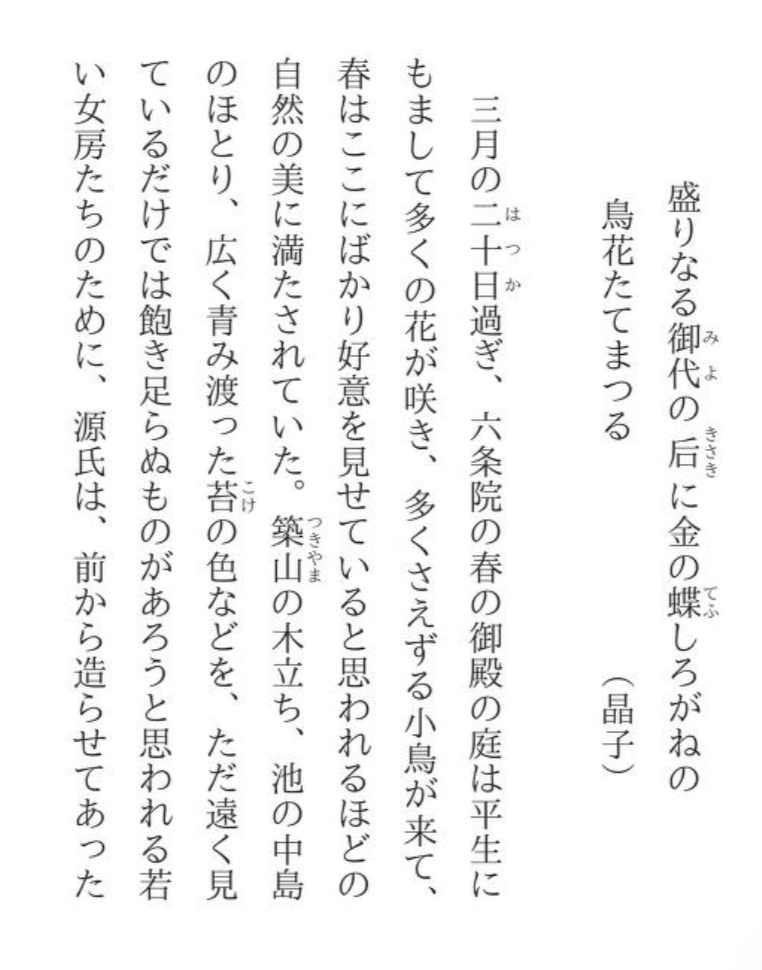
Japanese manga → Portuguese translation

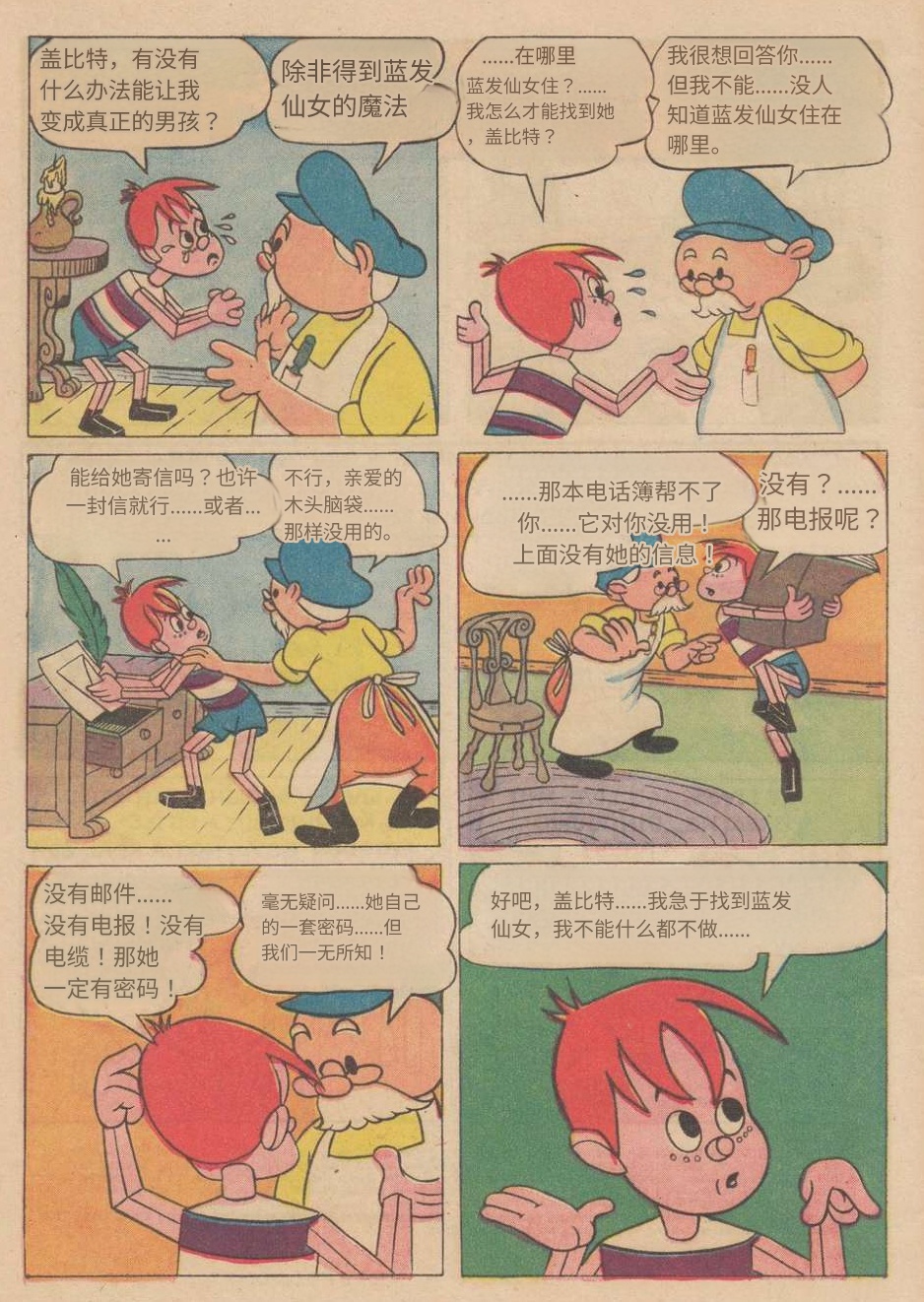
Chinese manga → Portuguese translation
About Japanese Script & OCR
Translation Challenges: Japanese → Portuguese
Japanese SOV vs. Portuguese SVO Sentence Structure
Japanese places the verb at the end of the sentence (Subject-Object-Verb), while Portuguese puts it in the middle (Subject-Verb-Object). Manga dialogue is often fragmented and emotional, with dramatic pauses mid-sentence. Restructuring these fragments from SOV to SVO while keeping the dramatic timing and punch of the original requires careful sentence rebuilding, not just reordering.
Gendered Nouns in Portuguese That Don't Exist in Japanese
Portuguese assigns grammatical gender to every noun and requires adjectives, articles, and past participles to agree in gender. Japanese has none of this. When translating, the tool must determine whether 'the friend' should be 'o amigo' or 'a amiga,' often relying on visual context from the manga panels to get it right.
Brazilian vs. European Portuguese Differences
The manga community is massive in Brazil, and Brazilian Portuguese differs notably from European Portuguese in vocabulary, spelling, and grammar. Words like 'trem' (BR) vs. 'comboio' (PT) for train, or the widespread use of 'voce' in Brazil vs. 'tu' in Portugal, mean that a single Portuguese translation can feel awkward to readers from either region. The translator aims for broadly accessible Portuguese while leaning toward the conventions most familiar to the larger manga readership.
Adapting Japanese Onomatopoeia to Portuguese
Japanese manga uses a rich onomatopoeia system that covers not just sounds but feelings and states of being. Portuguese has far fewer sound words, and they follow different phonetic patterns. Translating 'goro goro' (rumbling/lounging around) or 'pika pika' (sparkling) into Portuguese requires creative adaptation since direct equivalents often don't exist.
Common Japanese to Portuguese Manga Phrases
| Original | Romanization | Meaning | Portuguese |
|---|---|---|---|
| まさか! | Masaka! | No way! Impossible! | Impossivel! / Nao pode ser! |
| うるさい! | Urusai! | Shut up! You're annoying! | Cala a boca! / Que irritante! |
| 頑張れ! | Ganbare! | Do your best! Keep going! | Forca! / Da o seu melhor! |
| なるほど | Naruhodo | I see; Makes sense; Indeed | Entendo / Faz sentido |
| ドキドキ | Doki doki | Heart pounding with excitement or nervousness (SFX) | Tum-tum / Coracao batendo |
| やれやれ | Yare yare | Good grief; Give me a break | Ai, ai, ai / Que saco |
| いただきます | Itadakimasu | Expression of gratitude before eating | Vamos comer! / Bom apetite! |
| ごめんなさい | Gomen nasai | I'm sorry (polite) | Me desculpe / Perdao |
Japanese to Portuguese Manga Translation Tips
- 1
Pay Attention to Gender Agreement
After translation, scan the Portuguese text for gender consistency. If a female character is speaking about herself, adjectives and past participles should use feminine forms ('cansada,' not 'cansado'). The manga art gives you visual context that the automated translation might miss, so a quick gender check goes a long way.
- 2
Restructure Sentences for Natural Flow
Japanese puts the verb last, Portuguese puts it in the middle. After the initial translation, read the Portuguese dialogue out loud. If it sounds stilted or the punchline lands at the wrong moment, try rearranging the clause order. Good manga dialogue in Portuguese should feel punchy and conversational.
- 3
Adapt Onomatopoeia Creatively
Don't settle for awkward romanizations of Japanese SFX. Portuguese has its own sound words: 'bum' for an explosion, 'splash' (borrowed), 'crack' for breaking. For emotional SFX that Japanese excels at (like 'jiiii' for staring), consider a short descriptive phrase or leave the original with a small note.
- 4
Consider Your Portuguese Audience
If you know your readers are primarily Brazilian, lean into Brazilian Portuguese conventions like using 'voce' and local expressions. If your audience is mixed or European, stick with more neutral vocabulary. Small choices in pronoun usage and word selection make the translation feel much more natural.
Japanese to Portuguese Translation FAQ
Does this tool translate into Brazilian Portuguese or European Portuguese?▾
The translator produces Portuguese that's broadly accessible to both Brazilian and European readers, leaning toward conventions familiar to the larger manga readership. You can edit specific word choices or pronoun usage after translation to better suit your preferred variant.
How well does it handle Japanese sound effects in manga?▾
The tool identifies and translates text-based SFX where it can find Portuguese equivalents. For uniquely Japanese SFX that have no direct match, it provides a descriptive translation or keeps the original with a Portuguese annotation. Sound effects drawn directly into the artwork are overlaid without altering the original art.
Will the translation get grammatical gender right?▾
The AI infers correct gender from context, but Japanese lacks grammatical gender entirely, so some guesswork is involved. Checking gender agreement in adjectives and participles after translation is recommended, especially for scenes where the visual context clarifies who is speaking.
Can I use this for manga with lots of Japanese slang?▾
Common manga slang and casual speech patterns translate well. Heavy dialect speech like Kansai-ben or very niche internet slang may need manual adjustment. The tool provides a solid base translation that you can refine for slang-heavy dialogue.
Is it possible to edit the Portuguese translation afterward?▾
Yes, the platform includes an editing interface for reviewing and modifying translated text. This is useful for adjusting gender agreement, tweaking SFX translations, or choosing between Brazilian and European Portuguese word choices.
More Japanese Translation Tools
Japanese to English Manga Translator
Translate Japanese manga to English from images. Handles kanji, hiragana, katakana OCR, honorifics, onomatopoeia, and right-to-left panel layouts. Use images you have permission to work with.
Japanese to French Manga Translator
Translate Japanese manga to French with image translation. Handles vertical text, onomatopoeia, and tu/vous honorific mapping for French readers. Use images you have permission to work with.
Chinese to Portuguese Manhua Translator
Translate Chinese manhua to Portuguese with AI image translation. Handles cultivation terms, hanzi OCR, and SFX for Portuguese reading. Use images you have permission to work with.
Comedy Gag Manga Translation Guide
Master the art of translating Comedy Gag manga with this in-depth guide. Learn about unique challenges, essential Japanese terms, and practical tips for
Fantasy Adventure Manga Translation Guide
Explore the unique challenges and essential terminology of translating Fantasy Adventure manga. This guide covers common tropes, vocabulary, and practical
Historical Manga Translation Guide: Navigating Feudal Japan and Beyond
Dive into the unique challenges of translating historical manga. Learn essential Japanese terms, cultural nuances, and common tropes to accurately convey
Japanese Manga Comedy Sound Effects (SFX) Glossary
Explore 28 essential Japanese comedy sound effects (SFX) used in manga. This glossary helps readers and translators understand the nuances of comedic
Japanese Manga Daily Life Sound Effects (SFX) Glossary
Explore 28 essential Japanese daily life sound effects (SFX) from manga. This glossary helps readers and translators understand common sounds like eating,
Ready to translate a manga image you can use?
Upload only images you own, made, licensed, or have permission to work with, then review the Japanese → Portuguese output.
Translate an image you can useDisclaimer: Novel Translator does not store or archive images uploaded for translation. Images are handled in real time and discarded after the job finishes. Please upload only images you own, made, licensed, or have permission to upload, process, translate, and use. We do not provide images, illustrations, comics, scans, downloads, or other source material. Use of this service constitutes acceptance of our Terms of Service.