
Japanese to English Manga Translator
For Japanese manga images you have permission to work with, English translation requires careful handling of scripts, grammar, sound effects, and cultural shorthand. Japanese-to-English manga translation involves three writing systems, a grammar structure that runs opposite to English, and an enormous vocabulary of sound effects and cultural shorthands that have no clean English equivalents. The tool processes manga page images, recognizes the Japanese text, and produces readable English translations. Only use this with images you own, made, licensed, or have permission to work with.
Translate an image you can useSee It in Action
Compare a source image you can use with its translated result
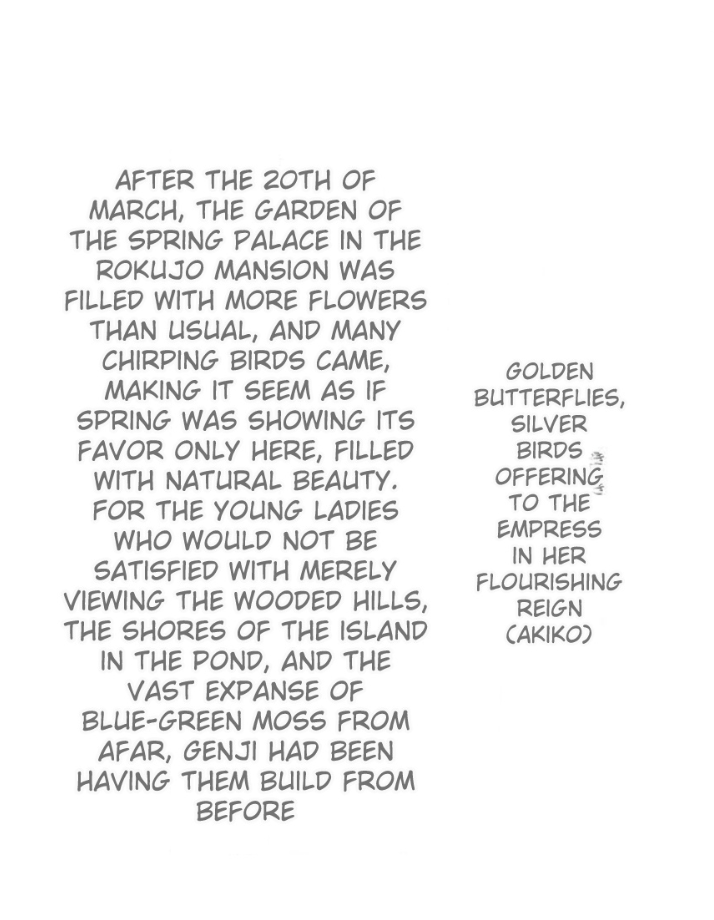
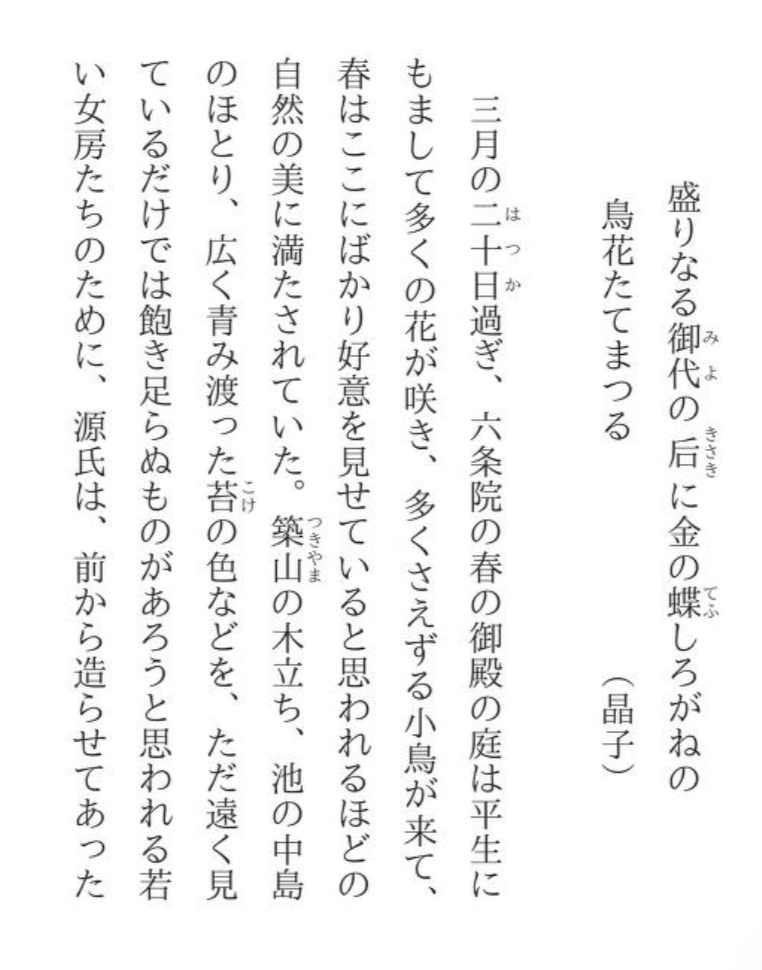
Japanese manga → English translation
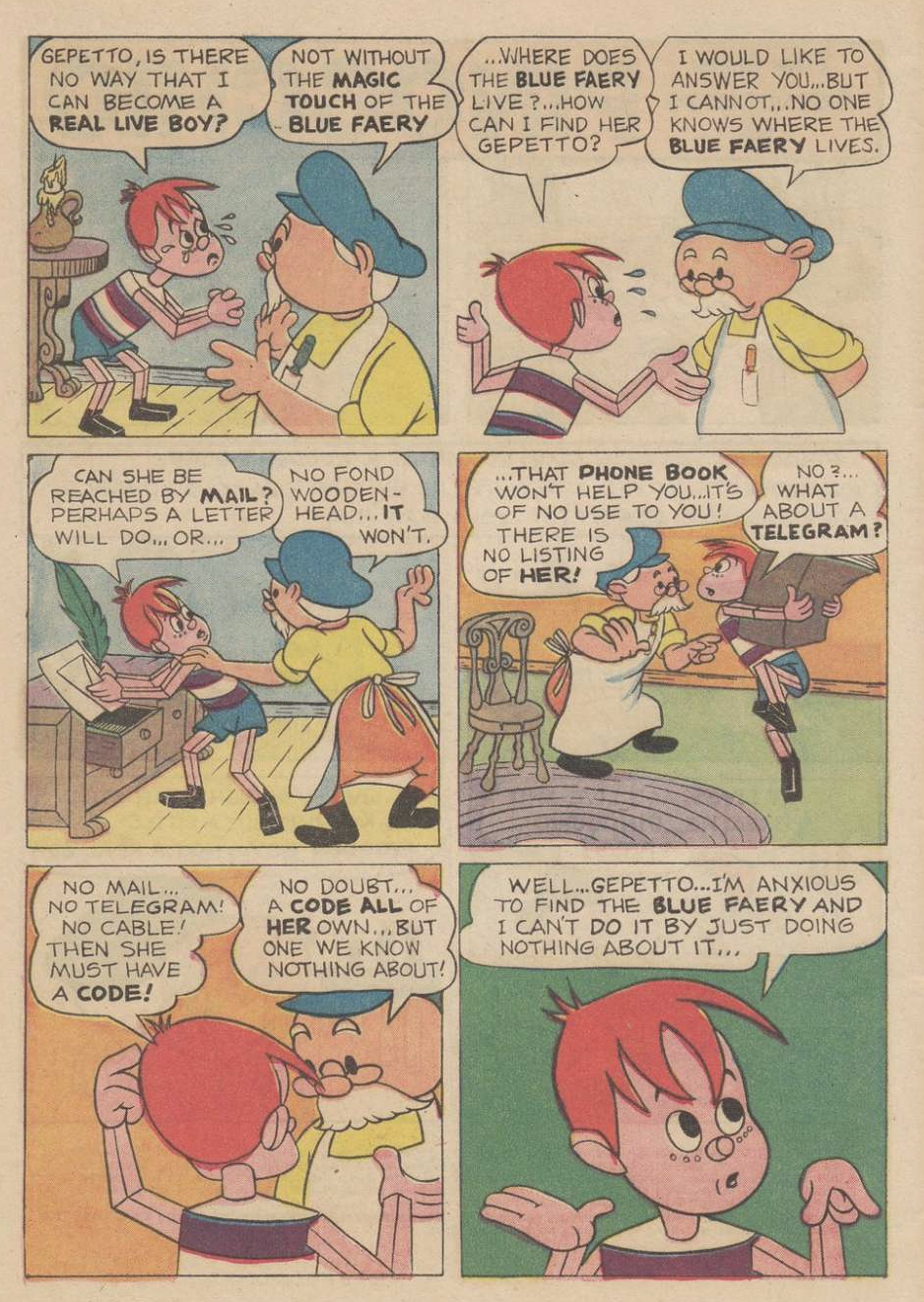
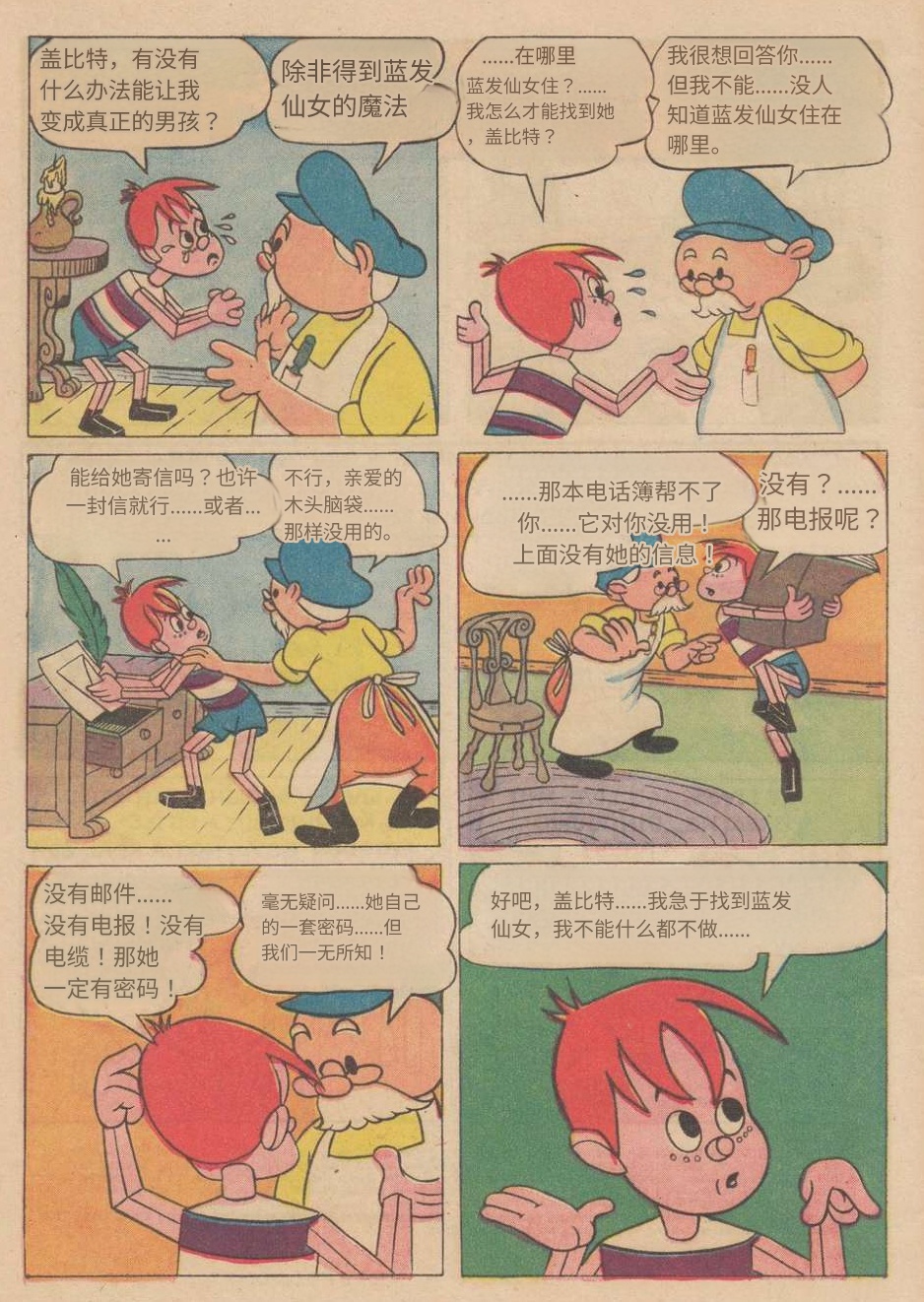
Chinese manga → English translation
About Japanese Script & OCR
Translation Challenges: Japanese → English
Three Writing Systems in One Language
Japanese manga text mixes kanji (logographic characters), hiragana (phonetic script for native words), and katakana (phonetic script for foreign words and emphasis) — often within a single speech bubble. The OCR engine needs to correctly identify all three scripts, handle furigana (tiny reading guides above kanji), and distinguish between narrative text, dialogue, and sound effects embedded in the art.
Honorifics That English Doesn't Have
Japanese honorific suffixes (-san, -kun, -chan, -sama, -senpai, -sensei) encode social relationships, age dynamics, and emotional closeness all at once. English has no equivalent system. The translator has to decide for each instance: keep the Japanese suffix (common in community translations), drop it and convey the relationship through word choice, or substitute an English approximation like 'Mr.' or 'Miss' where appropriate.
Sound Effects Built Into the Artwork
Japanese manga uses hundreds of unique onomatopoeia. 'ドキドキ' (doki doki) is a heartbeat. 'シーン' (shiiin) is silence. 'ゴゴゴ' (gogogo) is menacing energy. These aren't just labels — they're drawn into the art as part of the visual storytelling. Translating them means finding English SFX that carry the same weight, which isn't always possible since Japanese has far more onomatopoeia categories than English.
Subject-Object-Verb to Subject-Verb-Object
Japanese puts the verb at the end of the sentence (SOV), while English puts it in the middle (SVO). This isn't just a word-order swap — Japanese often omits the subject entirely when it's implied by context, and uses sentence-final particles (よ, ね, わ) that add emotional tone with no English equivalent. Restructuring these into natural English while preserving the speaker's personality is a constant challenge.
Common Japanese to English Manga Phrases
| Original | Romanization | Meaning | English |
|---|---|---|---|
| まさか! | Masaka! | No way! / Impossible! | No way! |
| うるさい! | Urusai! | Shut up! / You're annoying! | Shut up! |
| なるほど | Naruhodo | I see / Makes sense | I see... |
| ドキドキ | Doki doki | Heartbeat pounding (SFX) | Ba-dump ba-dump |
| ゴゴゴ | Gogogo | Menacing rumble / Ominous presence (SFX) | Rmmmbb / Menacing... |
| お疲れ様です | Otsukaresama desu | Thanks for your hard work (workplace/school greeting) | Good work today |
| しまった! | Shimatta! | Damn it! / I messed up! | Damn! |
| よろしくお願いします | Yoroshiku onegaishimasu | Please treat me well / Nice to meet you (formal) | Nice to meet you / I'm counting on you |
Japanese to English Manga Translation Tips
- 1
Decide on Honorific Style Early
Before reading a translated series, decide whether you prefer honorifics kept in (-san, -chan, etc.) or translated out. Both approaches are valid. Fan translations typically keep them; official localizations usually drop them. The tool preserves them by default since removing them loses information about character relationships.
- 2
Read Right-to-Left
Japanese manga panels and speech bubbles read right-to-left, top-to-bottom. The translation preserves the original layout, so read each page starting from the top-right panel and ending at the bottom-left. If dialogue seems out of order, you may be reading left-to-right by habit.
- 3
SFX Context Matters More Than the Letters
Japanese has far more onomatopoeia categories than English. Some SFX describe states rather than sounds — 'じーっ' (jiiii) is the sound of staring, 'にやり' (niyari) is the sound of smirking. When the English SFX seems odd, look at what the character is doing in the panel rather than trying to interpret the text literally.
- 4
Missing Subjects Are Normal
Japanese regularly drops the subject of a sentence when it's obvious from context. If an English translation seems to jump between topics, the original Japanese probably relied on implied subjects. Read the surrounding panels to fill in who is speaking or being referenced.
Japanese to English Translation FAQ
How does the tool handle Japanese text written vertically in speech bubbles?▾
The OCR detects both vertical and horizontal text orientation automatically. Vertical text in speech bubbles (the standard for Japanese manga) is read top-to-bottom, right-to-left, and the tool extracts it in the correct reading order before translating to English.
Will it translate the sound effects drawn into the artwork?▾
The tool detects and translates SFX text that is distinct from the artwork. Highly stylized SFX that are deeply integrated into the illustration (like background rumble effects) may be harder to isolate. Standard dialogue and clearly rendered SFX are translated reliably.
How does it handle manga-specific terms like 'nakama' or 'keikaku'?▾
The translator provides English equivalents for Japanese terms. For words that have become part of manga fan vocabulary (like 'nakama' for a specific type of close bond), it translates the meaning while keeping the context clear. You won't see untranslated Japanese left in the output unless it's a proper noun.
Can it handle double-page spreads?▾
Each image is processed individually. For double-page spreads, upload the full spread as a single image and the tool processes it as one continuous page, maintaining the correct text flow across both halves.
Does the translated text fit inside the original speech bubbles?▾
The tool overlays English text within the detected speech bubble regions. English text is typically longer than Japanese for the same meaning, so the font size may be adjusted to fit. Very dense dialogue panels may have slightly smaller text than the original.
More Japanese Translation Tools
Chinese to English Manhua Translator
Translate Chinese manhua to English. Handles hanzi OCR, chengyu idioms, cultivation terminology, and Simplified/Traditional character detection. Use images you have permission to work with.
Korean to English Manhwa Translator
Translate Korean manhwa and webtoons to English. Handles Hangul OCR, honorific systems, Korean SFX, and vertical scroll webtoon formats. Use images you have permission to work with.
Japanese to French Manga Translator
Translate Japanese manga to French with image translation. Handles vertical text, onomatopoeia, and tu/vous honorific mapping for French readers. Use images you have permission to work with.
Comedy Gag Manga Translation Guide
Master the art of translating Comedy Gag manga with this in-depth guide. Learn about unique challenges, essential Japanese terms, and practical tips for
Fantasy Adventure Manga Translation Guide
Explore the unique challenges and essential terminology of translating Fantasy Adventure manga. This guide covers common tropes, vocabulary, and practical
Historical Manga Translation Guide: Navigating Feudal Japan and Beyond
Dive into the unique challenges of translating historical manga. Learn essential Japanese terms, cultural nuances, and common tropes to accurately convey
Japanese Manga Comedy Sound Effects (SFX) Glossary
Explore 28 essential Japanese comedy sound effects (SFX) used in manga. This glossary helps readers and translators understand the nuances of comedic
Japanese Manga Daily Life Sound Effects (SFX) Glossary
Explore 28 essential Japanese daily life sound effects (SFX) from manga. This glossary helps readers and translators understand common sounds like eating,
Ready to translate a manga image you can use?
Upload only images you own, made, licensed, or have permission to work with, then review the Japanese → English output.
Translate an image you can useDisclaimer: Novel Translator does not store or archive images uploaded for translation. Images are handled in real time and discarded after the job finishes. Please upload only images you own, made, licensed, or have permission to upload, process, translate, and use. We do not provide images, illustrations, comics, scans, downloads, or other source material. Use of this service constitutes acceptance of our Terms of Service.