
Japanese to French Manga Translator
For Japanese manga images you have permission to work with, French translation has a wide linguistic gap to handle. Japanese and French differ in text direction, sentence structure, cultural framework, and how formality is expressed. Translating manga from Japanese to French means converting vertical text to horizontal, restructuring SOV sentences to SVO, mapping Japanese honorifics to French's tu/vous system, and finding French equivalents for a massive library of Japanese onomatopoeia that often has no direct counterpart.
Translate an image you can useSee It in Action
Compare a source image you can use with its translated result

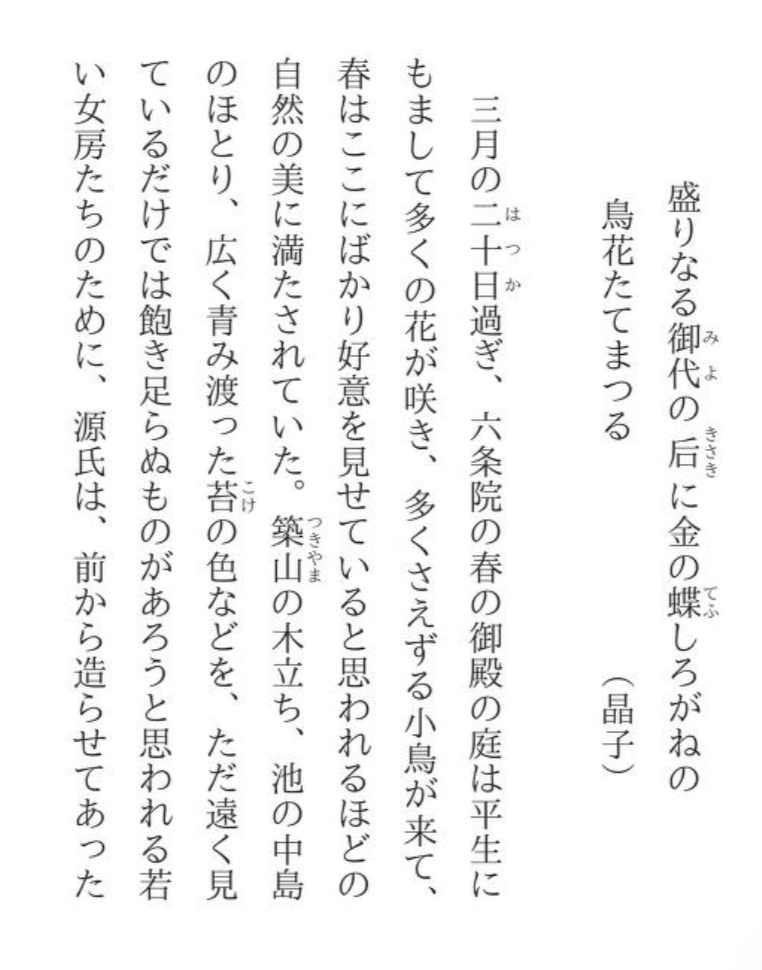
Japanese manga → French translation

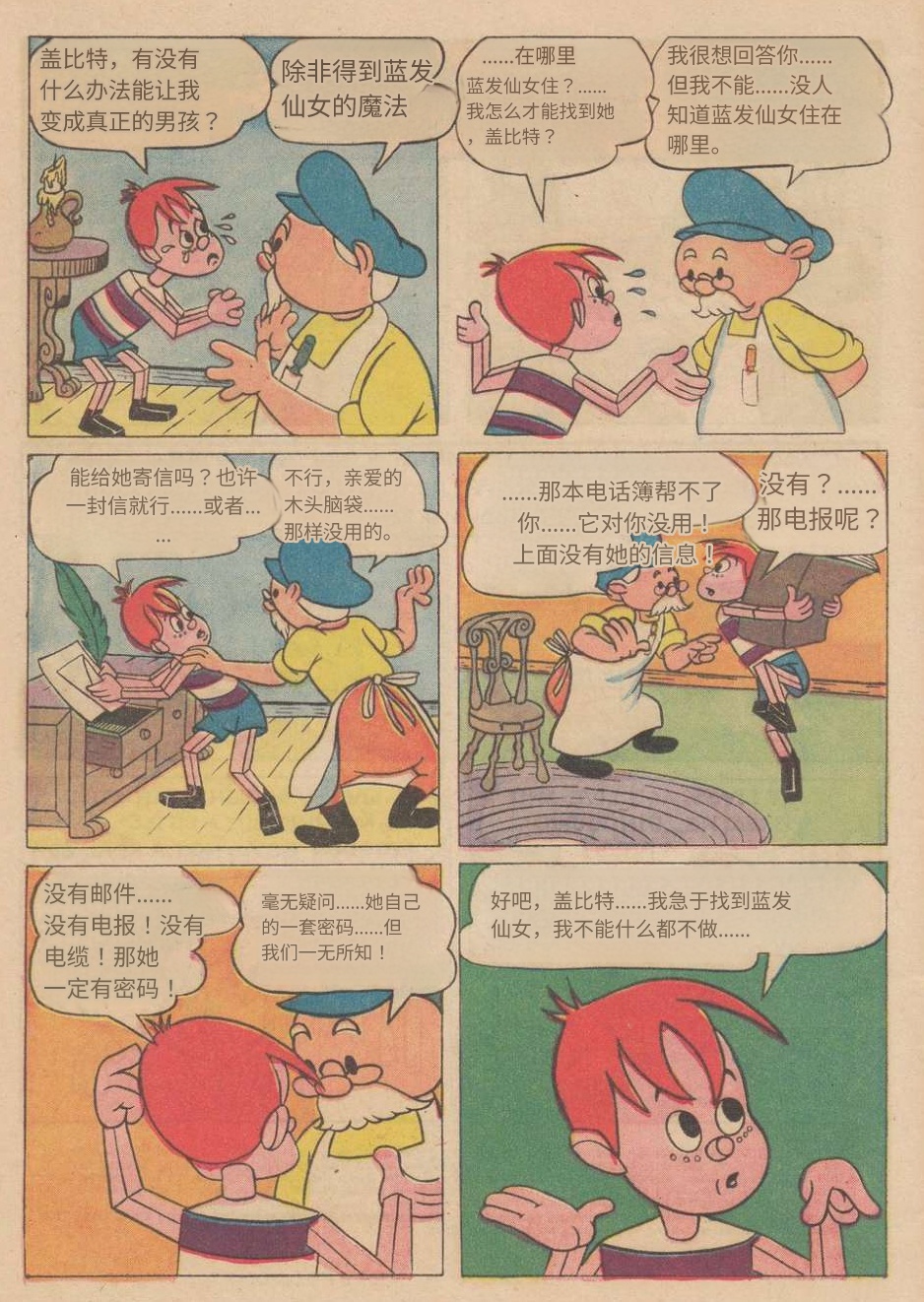
Chinese manga → French translation
About Japanese Script & OCR
Translation Challenges: Japanese → French
Vertical Japanese Text vs. French Horizontal Layout
Traditional manga is written vertically, read top-to-bottom and right-to-left, while French reads horizontally left-to-right. Speech bubbles in manga are designed for vertical text flow, meaning the bubble shapes are tall and narrow. Fitting French horizontal text into these spaces often requires careful reformatting to avoid text overflow or awkward line breaks.
Japanese Onomatopoeia Has No French Equivalents
Japanese manga uses an enormous library of onomatopoeia that goes beyond simple sounds. Words like 'shiin' (the sound of silence) or 'jiiii' (the sound of staring intensely) have no natural French equivalents. French onomatopoeia tends to be more literal and limited, so translating these expressive Japanese SFX into French requires creative adaptation rather than direct translation.
Honorifics vs. French Tu/Vous Distinction
Japanese honorifics like -san, -kun, -chan, and -sama carry precise information about social hierarchy and emotional closeness. French has its own formality system with 'tu' (informal) and 'vous' (formal), but the mapping is far from one-to-one. A character switching from -san to -chan signals a relationship shift that French tu/vous alone cannot capture, requiring additional dialogue cues to preserve the emotional context.
Untranslatable Cultural Concepts
Manga is packed with Japanese cultural concepts that resist clean French translation. Words like 'nakama' (a bond deeper than friendship but different from family), 'ganbaru' (persevering with effort), or 'itadakimasu' (gratitude before eating) carry cultural weight that a single French word or phrase cannot replicate. The translator must balance between keeping the Japanese flavor and making it accessible to French readers.
Common Japanese to French Manga Phrases
| Original | Romanization | Meaning | French |
|---|---|---|---|
| まさか! | Masaka! | No way! Impossible! | Impossible ! / C'est pas vrai ! |
| うるさい! | Urusai! | Shut up! You're annoying! | Tais-toi ! / La ferme ! |
| なるほど | Naruhodo | I see; Indeed; Makes sense | Je vois / En effet |
| 頑張れ! | Ganbare! | Do your best! Hang in there! | Courage ! / Donne tout ! |
| ドキドキ | Doki doki | Heart pounding with excitement or nervousness (SFX) | Boum boum (battement de coeur) |
| いただきます | Itadakimasu | Expression of gratitude before eating | Bon appetit (approximation) |
| お疲れ様です | Otsukaresama desu | Thank you for your hard work; Well done | Bon travail / Merci pour tes efforts |
| しーん | Shiin | Complete silence (SFX) | (silence) / ...un ange passe |
Japanese to French Manga Translation Tips
- 1
Use Tu/Vous Deliberately to Signal Relationships
When reviewing translated dialogue, pay attention to whether characters should use 'tu' or 'vous.' In manga, a character dropping honorifics signals growing closeness. Mirror this in French by switching from 'vous' to 'tu' at the same narrative moment. This small detail makes the French dialogue feel relationship-aware.
- 2
Adapt SFX Rather Than Translate Literally
For Japanese sound effects baked into the artwork, don't force a literal French translation. 'Zawa zawa' (uneasy murmuring atmosphere) has no French SFX equivalent. Consider short descriptive notes like 'murmures...' or leave the original Japanese with a small French annotation to preserve the visual impact.
- 3
Watch for Implied Subjects in Japanese
Japanese frequently drops the subject of a sentence when it's understood from context. French requires explicit subjects in almost every sentence. When a translation seems to start abruptly, check if the original Japanese omitted the subject and add the appropriate pronoun to make the French grammatically complete.
- 4
Keep Cultural Notes Brief
When a concept like 'senpai' or 'nakama' appears, a short parenthetical or translator note works best. French manga readers are often already familiar with common Japanese terms, so only annotate truly obscure references that would break comprehension.
Japanese to French Translation FAQ
Will this translator handle vertical Japanese text in speech bubbles?▾
Yes, the tool uses OCR designed to recognize vertical Japanese text, which is the standard orientation in manga speech bubbles. It reads the text correctly from top-to-bottom and right-to-left, then outputs the French translation formatted for horizontal reading. Bubble shapes might occasionally require minor adjustments for longer French phrases.
How does the tool deal with Japanese sound effects drawn into the artwork?▾
The translator identifies and translates text-based SFX where possible. Sound effects drawn as part of the illustration are harder to modify without altering the art. In those cases, the tool typically provides a French translation overlay near the original SFX rather than replacing it, keeping the artwork intact.
Is the French translation in European French or Canadian French?▾
The translations default to standard European French, which is understood across all French-speaking regions. The vocabulary and grammar follow metropolitan French conventions, though the text should be readable for Canadian French speakers as well.
How accurate is the translation for manga with heavy slang or dialect?▾
Casual manga dialogue and common slang translate reasonably well. Heavy regional dialects in Japanese (like Kansai-ben) or very niche slang can be tricky for any automated tool. You might need to tweak those specific lines manually to capture the intended tone in French.
Can I edit the French text after translation if something sounds off?▾
Yes. The platform provides an editing interface where you can review and modify any translated text. This is useful for fine-tuning dialogue tone, fixing honorific choices, or adjusting SFX translations.
More Japanese Translation Tools
Japanese to English Manga Translator
Translate Japanese manga to English from images. Handles kanji, hiragana, katakana OCR, honorifics, onomatopoeia, and right-to-left panel layouts. Use images you have permission to work with.
Chinese to French Manhua Translator
Translate Chinese manhua to French with hanzi OCR. Handles four-character idioms, measure words, cultivation terms, and gendered French grammar. Use images you have permission to work with.
Japanese to Portuguese Manga Translator
Translate Japanese manga to Portuguese with image translation. Handles SOV-to-SVO restructuring, gendered nouns, and onomatopoeia adaptation. Use images you have permission to work with.
Comedy Gag Manga Translation Guide
Master the art of translating Comedy Gag manga with this in-depth guide. Learn about unique challenges, essential Japanese terms, and practical tips for
Fantasy Adventure Manga Translation Guide
Explore the unique challenges and essential terminology of translating Fantasy Adventure manga. This guide covers common tropes, vocabulary, and practical
Historical Manga Translation Guide: Navigating Feudal Japan and Beyond
Dive into the unique challenges of translating historical manga. Learn essential Japanese terms, cultural nuances, and common tropes to accurately convey
Japanese Manga Comedy Sound Effects (SFX) Glossary
Explore 28 essential Japanese comedy sound effects (SFX) used in manga. This glossary helps readers and translators understand the nuances of comedic
Japanese Manga Daily Life Sound Effects (SFX) Glossary
Explore 28 essential Japanese daily life sound effects (SFX) from manga. This glossary helps readers and translators understand common sounds like eating,
Ready to translate a manga image you can use?
Upload only images you own, made, licensed, or have permission to work with, then review the Japanese → French output.
Translate an image you can useDisclaimer: Novel Translator does not store or archive images uploaded for translation. Images are handled in real time and discarded after the job finishes. Please upload only images you own, made, licensed, or have permission to upload, process, translate, and use. We do not provide images, illustrations, comics, scans, downloads, or other source material. Use of this service constitutes acceptance of our Terms of Service.