
Japanese to Thai Manga Translator | แปลมังงะญี่ปุ่นเป็นไทย
เมื่อคุณมีภาพมังงะญี่ปุ่นที่มีสิทธิ์ใช้งาน การแปลเป็นไทยยังมีความท้าทายหลายอย่าง ช่องว่างระหว่างภาษาญี่ปุ่นกับไทยนั้นกว้างมาก ทั้งโครงสร้างประโยคที่ต่างกัน ระบบความสุภาพที่ซับซ้อน และคำเลียนเสียงญี่ปุ่นอีกเพียบที่ไม่มีคำเทียบเท่าในไทย การแปลมังงะจากญี่ปุ่นเป็นไทยต้องแปลงไวยากรณ์ SOV เป็น SVO เทียบคำเรียกขานญี่ปุ่นกับระบบสรรพนามและความสุภาพของไทย แล้วยังต้องหาสำนวนไทยที่สื่อน้ำหนักความหมายได้เท่ากับบทสนทนาต้นฉบับด้วย ใช้เฉพาะภาพที่คุณเป็นเจ้าของ สร้างเอง ได้รับอนุญาต หรือมีสิทธิ์ใช้งานเท่านั้น
Translate an image you can useSee It in Action
Compare a source image you can use with its translated result
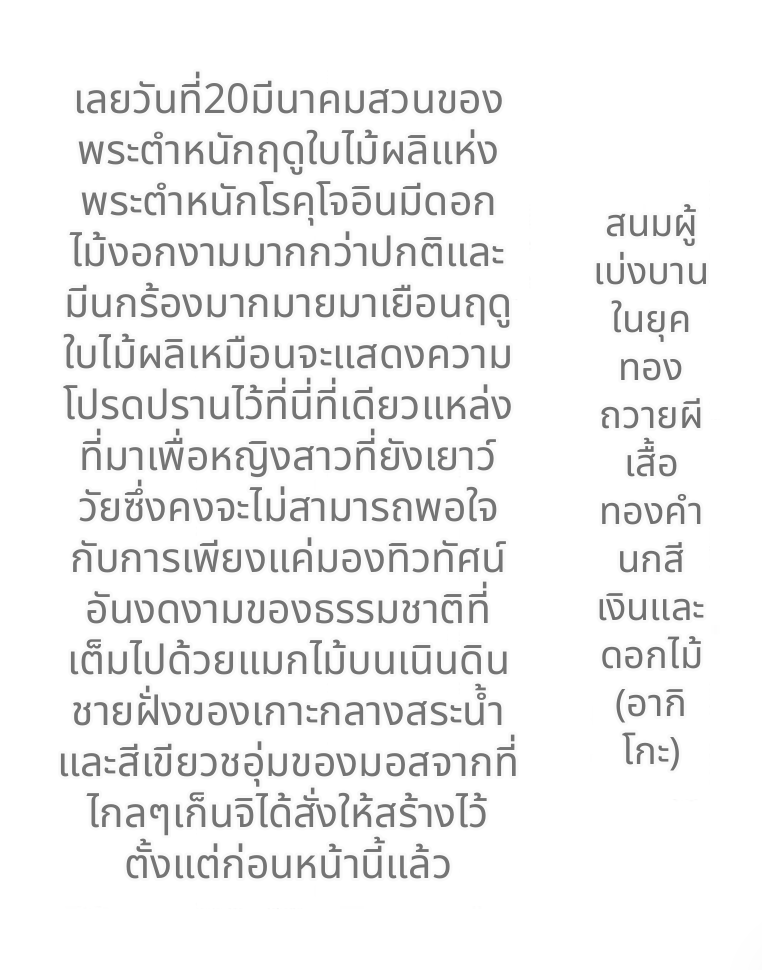
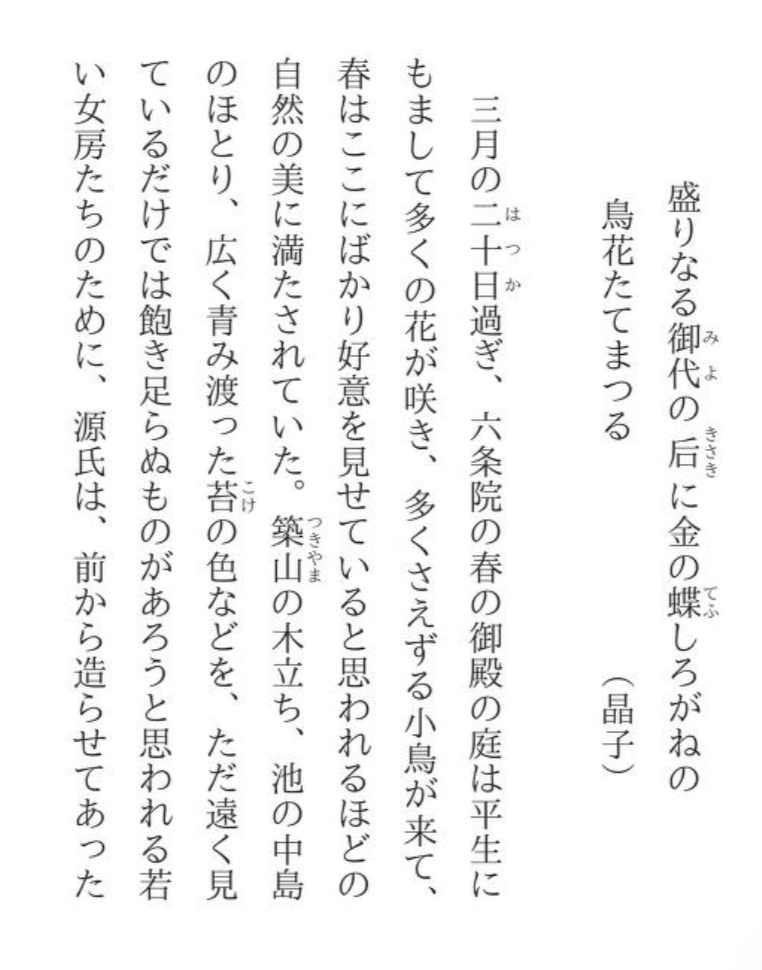
Japanese manga → Thai translation
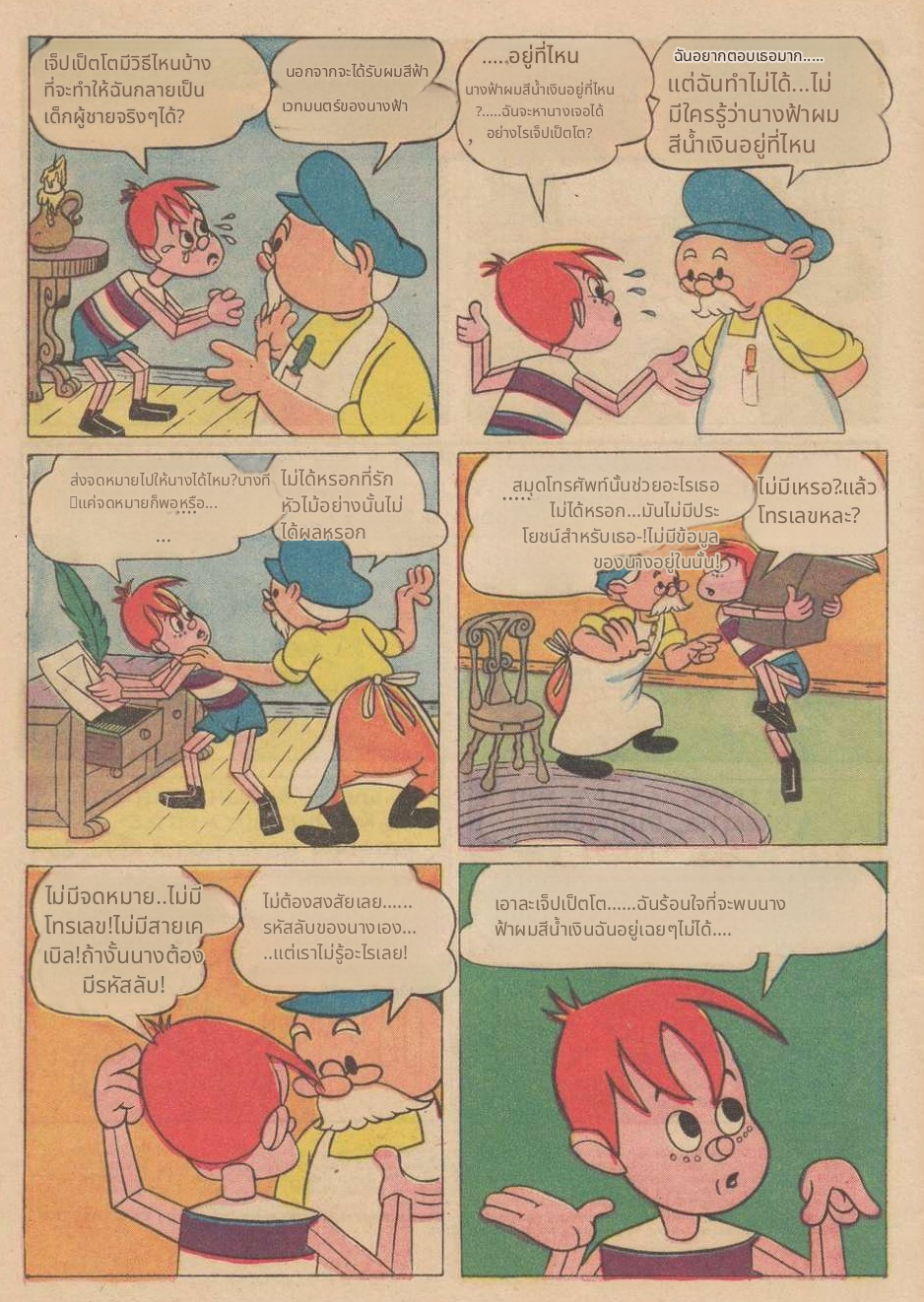
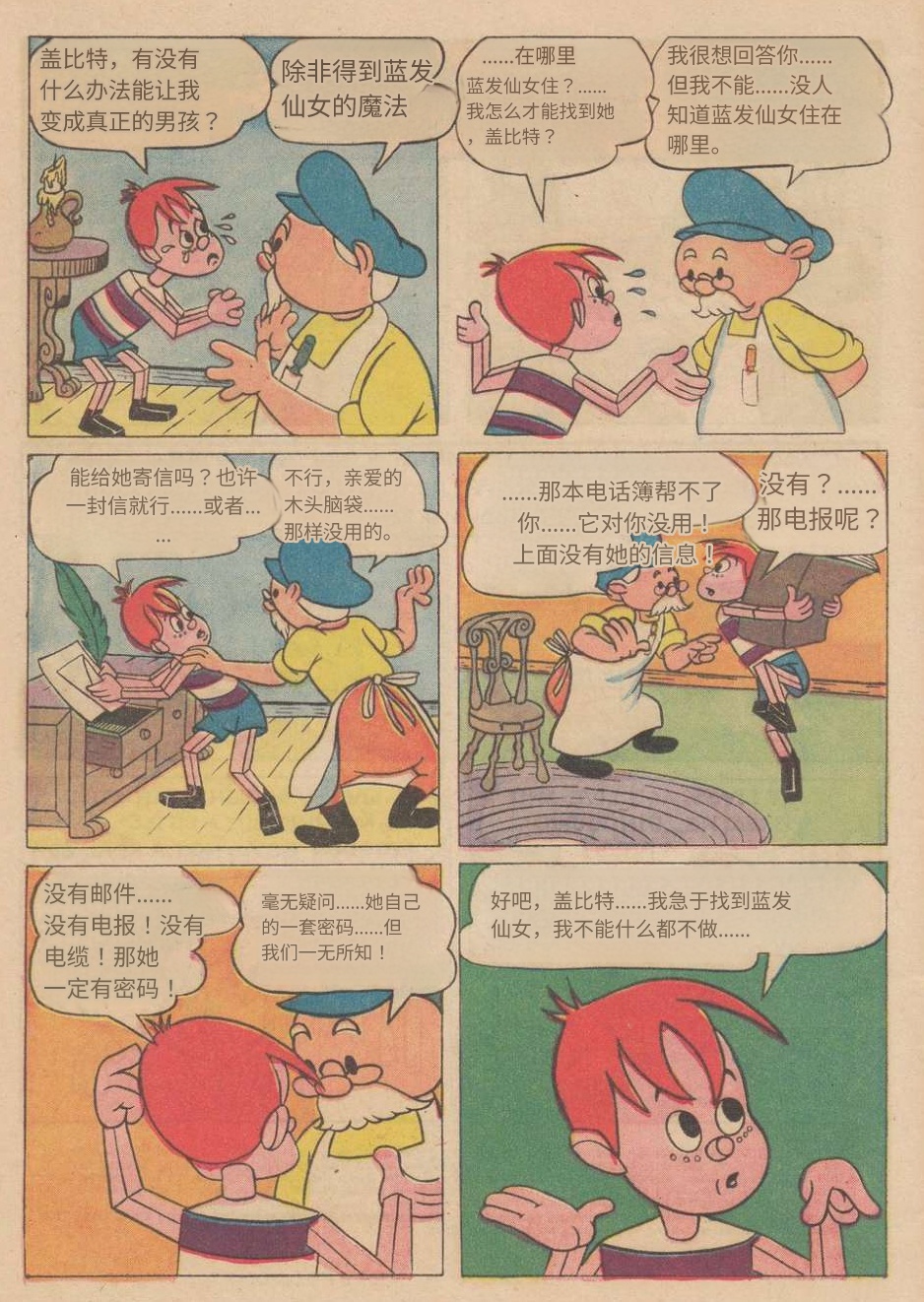
Chinese manga → Thai translation
About Japanese Script & OCR
Translation Challenges: Japanese → Thai
คำเรียกขานญี่ปุ่นกับระดับความสุภาพในไทย
คำเรียกขานญี่ปุ่นอย่าง -ซัง, -คุง, -จัง และ -ซามะ สื่อถึงความสัมพันธ์ทางสังคมและระดับความเคารพที่ซับซ้อน ภาษาไทยก็มีระบบคำลงท้ายและสรรพนามที่เปลี่ยนไปตามบริบทเหมือนกัน การแปลให้แม่นระหว่างสองระบบนี้ต้องวิเคราะห์ความสัมพันธ์ของผู้พูดกับผู้ฟัง แล้วเลือกสำนวนไทยที่เหมาะที่สุด
คำเลียนเสียงและคำบรรยายอาการ (กิอองโกะ/กิไทโกะ)
มังงะญี่ปุ่นใช้คำเลียนเสียง (กิอองโกะ) และคำบรรยายอาการ (กิไทโกะ) เยอะมากเพื่อเพิ่มมิติให้แอคชันและอารมณ์ คำพวกนี้มักหาคำเทียบเท่าคำเดียวในไทยไม่ได้ จึงต้องใช้วลีบรรยายหรือเสียงเอฟเฟกต์ที่คุ้นเคยในวัฒนธรรมไทยแทน เพื่อสื่ออารมณ์เดียวกัน
โครงสร้างประโยคและอนุภาค
โครงสร้างประโยคญี่ปุ่น (SOV) ต่างจากไทย (SVO) มาก อนุภาคญี่ปุ่น (เช่น は, が, を, に) กำหนดบทบาททางไวยากรณ์และสื่อความหมายละเอียดอ่อนที่อาจเปลี่ยนการตีความประโยคได้เลย ระบบแปลจึงต้องวิเคราะห์อนุภาคเหล่านี้ให้ถูกต้อง แล้วเรียงประโยคไทยขึ้นมาใหม่ให้ถูกหลักไวยากรณ์
สำนวนและการอ้างอิงวัฒนธรรม
มังงะใช้สำนวน สุภาษิต และการอ้างอิงวัฒนธรรมป๊อปญี่ปุ่นอยู่บ่อย ซึ่งไม่ได้มีสิ่งเทียบเท่าในวัฒนธรรมไทยเสมอไป การแปลเลยไม่ใช่แค่เปลี่ยนภาษา แต่ต้องปรับให้เข้ากับวัฒนธรรมด้วย คนอ่านไทยจะได้เข้าใจ
วลีMangaที่ใช้บ่อยจากJapaneseเป็นThai
| Original | Romanization | Meaning | Thai |
|---|---|---|---|
| まさか! | Masaka! | เป็นไปไม่ได้! / ไม่จริง! | ไม่จริงน่า! |
| うるさい! | Urusai! | เงียบไป! / หุบปาก! | เงียบไปเลย! |
| やばい | Yabai | แย่แล้ว! / สุดยอด! (ขึ้นอยู่กับบริบท) | แย่แล้ว! / สุดยอด! |
| ごめんね | Gomen ne | ขอโทษ (ไม่เป็นทางการ) | ขอโทษนะ |
| ドクン | Dokun | เสียงหัวใจเต้นตุบตับ | ตุบ ตับ |
| キラーン | Kiraan | เสียงแวววาว ประกายวิ้งๆ | วิ้งๆ |
| ええ!? | Ee!? | หา!? / อะไรนะ!? | หา!? |
เคล็ดลับการแปลMangaจากJapaneseเป็นThai
- 1
ใช้บริบทช่วยเรื่องสรรพนามและความสุภาพ
ภาษาญี่ปุ่นมักละประธานแล้วพึ่งบริบทกับคำเรียกขาน ลองสังเกตช่องภาพรอบๆ ตอนอ่าน เพราะพอแปลเป็นไทย การใช้สรรพนามและระดับความสุภาพสำคัญมาก ถ้าคำแปลอัตโนมัติดูไม่ค่อยถูก ลองพิจารณาความสัมพันธ์และสถานะของตัวละครประกอบ
- 2
อย่ามองข้ามเสียงเอฟเฟกต์
เสียงเอฟเฟกต์ญี่ปุ่นเป็นส่วนสำคัญของการเล่าเรื่อง ถึงจะไม่มีคำเทียบเท่าไทยตรงๆ เสมอไป แต่ลองทำความเข้าใจอารมณ์หรือแอคชันที่มันต้องการสื่อ เครื่องมือจะพยายามหาคำบรรยายไทยที่ใกล้เคียงที่สุด แต่บางทีการปรับแก้เล็กน้อยจากคนอ่านจะช่วยให้จับอารมณ์ได้ดีขึ้น
- 3
ระวังคำพ้องเสียงและการเล่นคำ
ภาษาญี่ปุ่นมีคำพ้องเสียงเยอะมากและชอบเล่นคำ โดยเฉพาะในบทสนทนาตลกหรือมุขแนบเนียน ถ้าคำแปลดูตรงตัวผิดปกติหรือไม่เข้ากับเนื้อเรื่อง อาจมีมุขซ่อนอยู่ที่ AI จับได้ยาก ลองค้นหาวลีญี่ปุ่นต้นฉบับดู อาจช่วยไขข้อสงสัยได้
- 4
ปรับให้ภาษาไทยลื่นไหลเป็นธรรมชาติ
คำแปลอัตโนมัติบางทีอาจดูเป็นทางการหรือแข็งๆ อยู่บ้าง ไม่ต้องเกรงใจที่จะปรับลำดับคำหรือเลือกคำศัพท์ให้เหมาะขึ้นอีกนิด เพื่อให้ข้อความที่แปลออกมาอ่านลื่นเหมือนภาษาพูดของคนไทย
คำถามที่พบบ่อย Japanese เป็น Thai
แปลข้อความแนวตั้งภาษาญี่ปุ่นในมังงะได้ไหม?▾
ได้ ระบบตรวจจับและแปลข้อความแนวตั้งที่เจอทั่วไปในกรอบคำพูดของมังงะ จะประมวลผลข้อความให้ถูกต้องก่อนแปลเป็นไทยแนวนอน แล้วใส่กลับเข้าไปในช่องภาพให้
แปลมังงะจากญี่ปุ่นเป็นไทยแม่นแค่ไหน?▾
ให้พื้นฐานที่ดีสำหรับการอ่าน โดยเฉพาะกับภาษาเฉพาะในมังงะ การแปลอัตโนมัติไม่สมบูรณ์แบบ สำนวนซับซ้อนหรือมุขตลกเฉพาะวัฒนธรรมอาจต้องอาศัยคนปรับแก้ เหมาะเป็นตัวช่วยอ่าน แต่ไม่ได้ทดแทนการแปลโดยมืออาชีพ
จัดการคำเรียกขานญี่ปุ่นอย่าง -ซัง หรือ -จัง ได้ไหมตอนแปลเป็นไทย?▾
ระบบจดจำคำเรียกขานญี่ปุ่นและความหมายตามบริบทได้ พอแปลเป็นไทย จะปรับระดับความสุภาพและสรรพนามให้สะท้อนความสัมพันธ์ระหว่างตัวละคร แม้จะหาคำเทียบเท่าตรงตัวได้ไม่เสมอไประหว่างสองภาษา
ใช้แปลมังงะที่ฟอนต์พิเศษหรือข้อความเขียนด้วยมือได้ไหม?▾
OCR ทำงานได้ดีกับฟอนต์มังงะหลายรูปแบบ ข้อความที่ลวดลายเยอะมากหรือลายมือที่อ่านยากอาจท้าทายบ้าง อยากได้ผลดีที่สุด ก็ให้ข้อความในภาพชัดที่สุดเท่าที่จะทำได้
ข้อความไทยที่แปลแล้วจะทับข้อความญี่ปุ่นต้นฉบับในภาพเลยไหม?▾
ใช่ ระบบจะลบข้อความญี่ปุ่นต้นฉบับออก แล้ววางข้อความไทยที่แปลแล้วลงบนภาพเลย อ่านได้ลื่นคล้ายมังงะที่ผ่านการแปลเป็นทางการ
เครื่องมือแปลJapaneseเพิ่มเติม
Japanese to English Manga Translator
Translate Japanese manga to English from images. Handles kanji, hiragana, katakana OCR, honorifics, onomatopoeia, and right-to-left panel layouts. Use images you have permission to work with.
Japanese to French Manga Translator
Translate Japanese manga to French with image translation. Handles vertical text, onomatopoeia, and tu/vous honorific mapping for French readers. Use images you have permission to work with.
Japanese to Portuguese Manga Translator
Translate Japanese manga to Portuguese with image translation. Handles SOV-to-SVO restructuring, gendered nouns, and onomatopoeia adaptation. Use images you have permission to work with.
Comedy Gag Manga Translation Guide
Master the art of translating Comedy Gag manga with this in-depth guide. Learn about unique challenges, essential Japanese terms, and practical tips for
Fantasy Adventure Manga Translation Guide
Explore the unique challenges and essential terminology of translating Fantasy Adventure manga. This guide covers common tropes, vocabulary, and practical
Historical Manga Translation Guide: Navigating Feudal Japan and Beyond
Dive into the unique challenges of translating historical manga. Learn essential Japanese terms, cultural nuances, and common tropes to accurately convey
Japanese Manga Comedy Sound Effects (SFX) Glossary
Explore 28 essential Japanese comedy sound effects (SFX) used in manga. This glossary helps readers and translators understand the nuances of comedic
Japanese Manga Daily Life Sound Effects (SFX) Glossary
Explore 28 essential Japanese daily life sound effects (SFX) from manga. This glossary helps readers and translators understand common sounds like eating,
Ready to translate a manga image you can use?
Upload only images you own, made, licensed, or have permission to work with, then review the Japanese → Thai output.
Translate an image you can useDisclaimer: Novel Translator does not store or archive images uploaded for translation. Images are handled in real time and discarded after the job finishes. Please upload only images you own, made, licensed, or have permission to upload, process, translate, and use. We do not provide images, illustrations, comics, scans, downloads, or other source material. Use of this service constitutes acceptance of our Terms of Service.