
Japanese to Russian Manga Translator | Переводчик манги с японского на русский
Японские равки манги зачастую месяцами, а то и годами остаются без русского перевода. Языковой разрыв между японским и русским огромен: разные системы письма, противоположная грамматика и культурные отсылки, которые не ложатся друг на друга напрямую. Переводить мангу с японского на русский — значит работать сразу с тремя письменностями (хирагана, катакана, кандзи), перестраивать предложения из SOV в свободный русский порядок слов и подыскивать живые русские аналоги хонорификам и ономатопее, у которых нет прямых соответствий. Only use this with images you own, made, licensed, or have permission to work with.
Translate an image you can useSee It in Action
Compare a source image you can use with its translated result
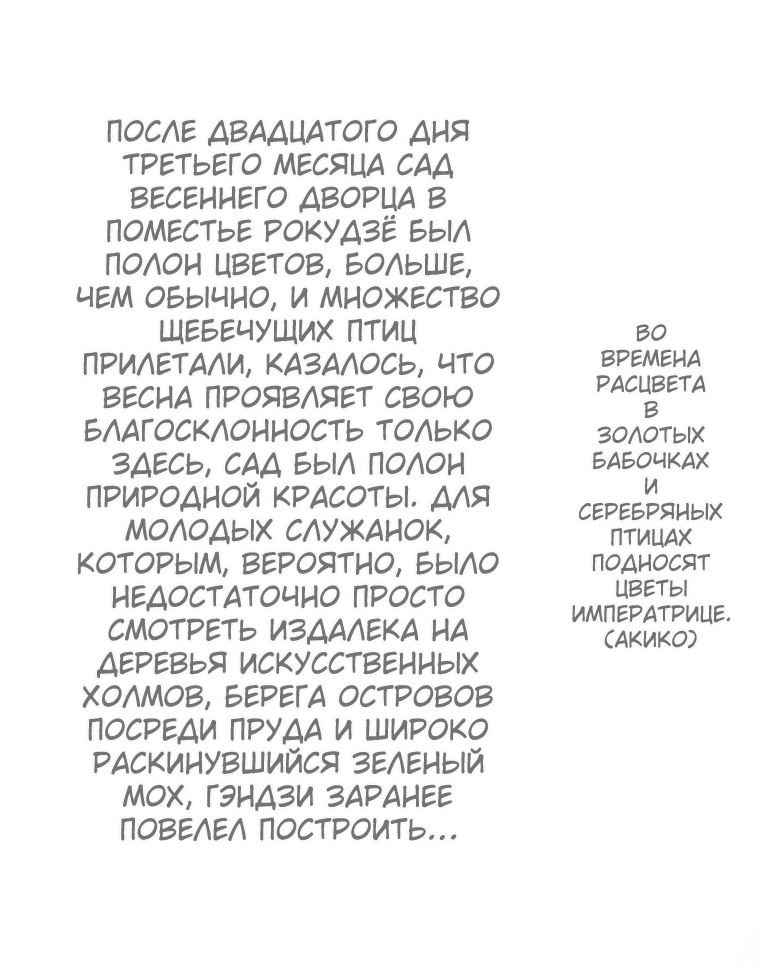
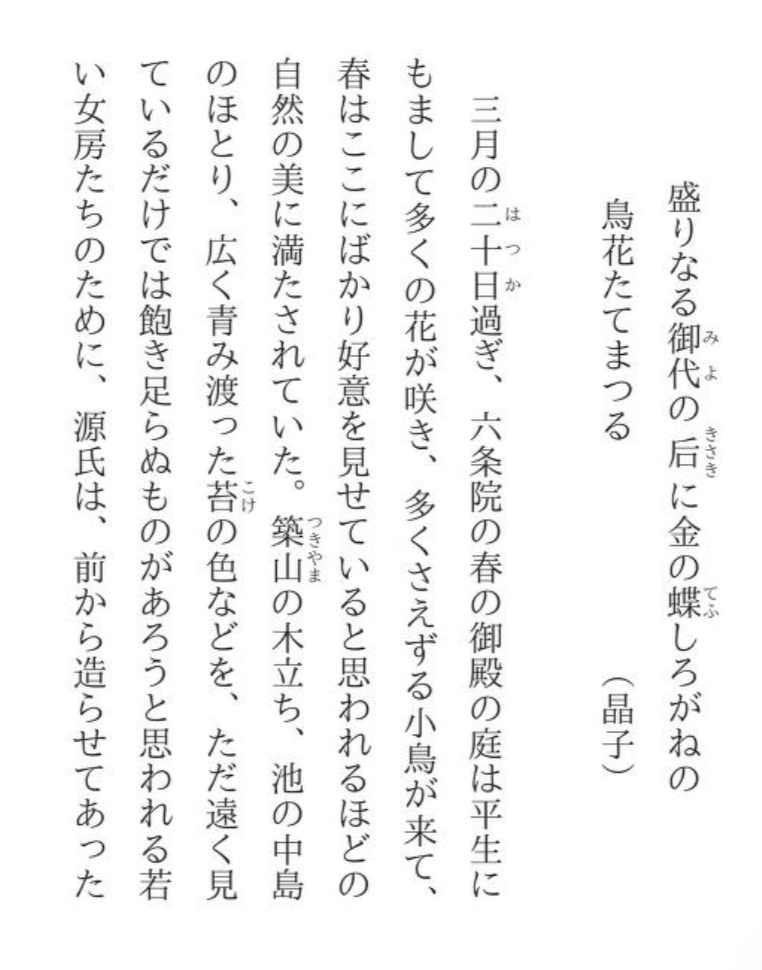
Japanese manga → Russian translation
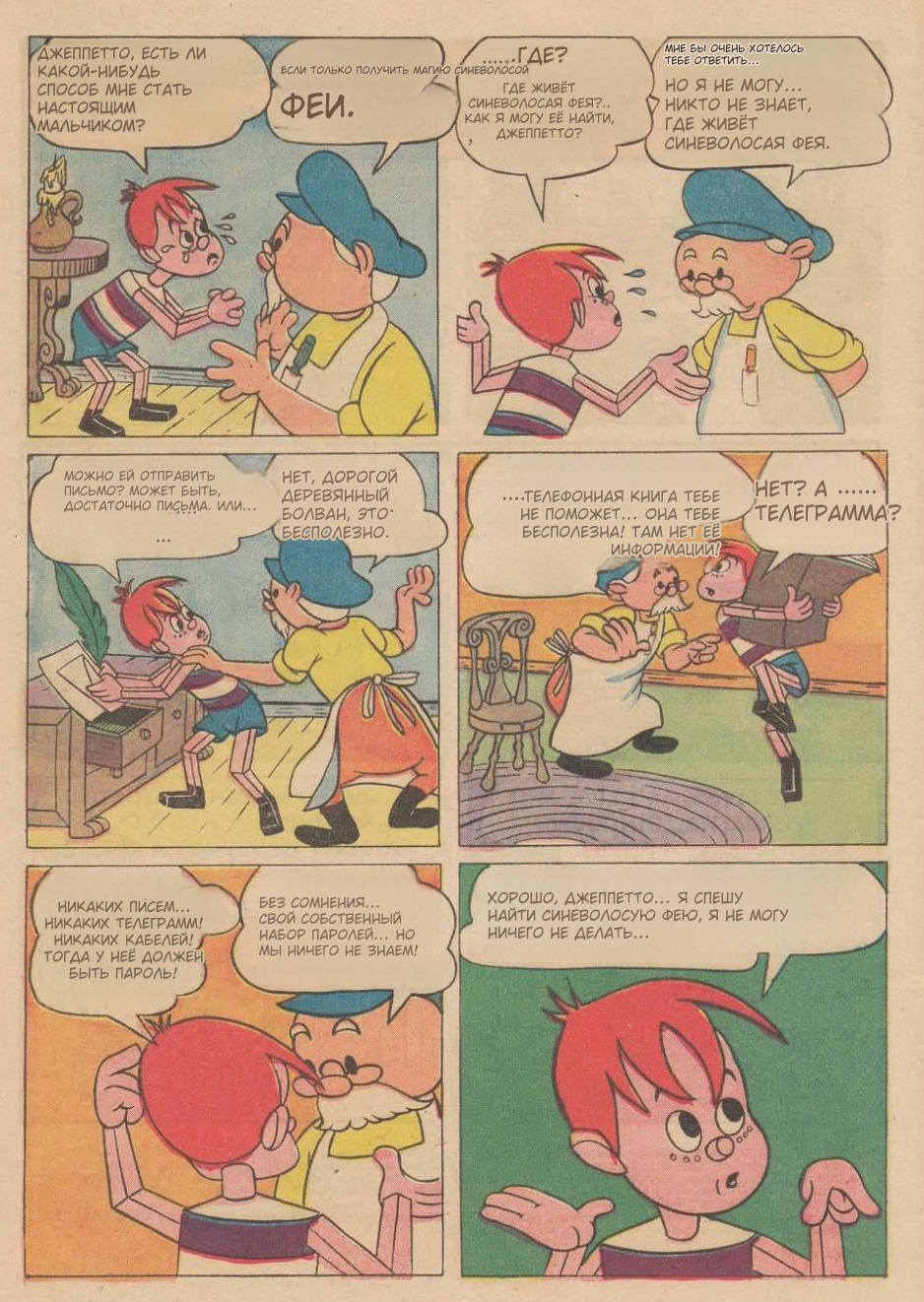
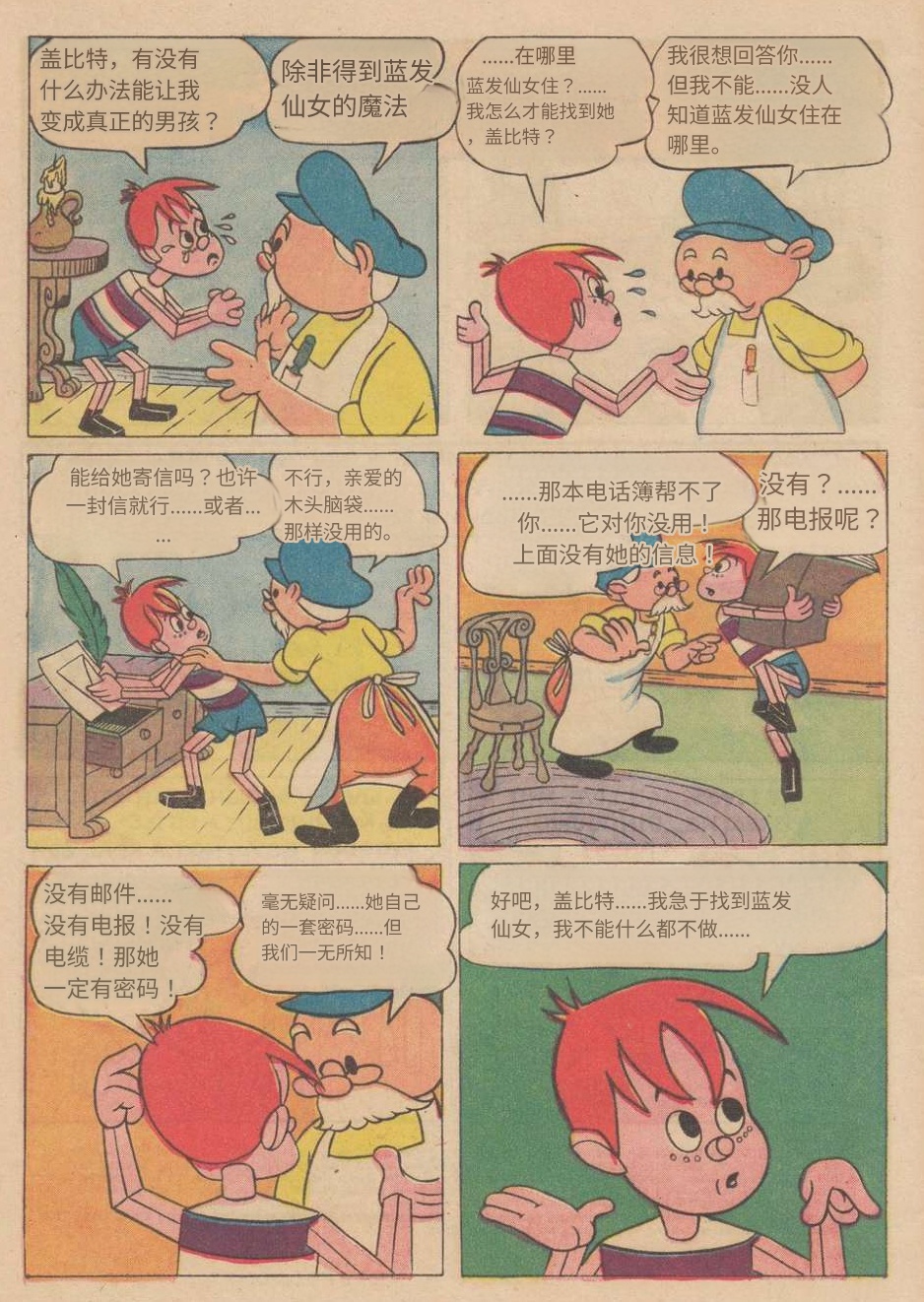
Chinese manga → Russian translation
About Japanese Script & OCR
Translation Challenges: Japanese → Russian
Хонорификы и уровни вежливости
Японские хонорификы (-сан, -кун, -тян, -сама) и уровни вежливости — неотъемлемая часть отношений между персонажами, по ним считывается вся социальная динамика. При прямом переводе на русский этот пласт легко теряется, и приходится аккуратно переформулировать фразы, чтобы передать нюансы оригинала и при этом не звучать ни слишком официально, ни панибратски.
Перевод ономатопеи и звуковых эффектов
В манге полно уникальной японской ономатопеи и звуковых эффектов (SFX) — ими передают действия, эмоции, атмосферу. Прямых русских аналогов почти не бывает, так что нужна или творческая транслитерация, или описательная фраза, которая сохранит и воздействие, и читаемость.
Грамматическая структура и порядок слов
В японском порядок SOV (подлежащее — дополнение — сказуемое), а русский, хоть и гибче, в целом тяготеет к SVO (подлежащее — сказуемое — дополнение). Из-за этого при переводе предложения нередко приходится серьёзно перестраивать — особенно сложные конструкции, — чтобы по-русски звучало грамотно и живо.
Культурные отсылки и непереводимые понятия
Манга пропитана японскими культурными отсылками, пословицами и понятиями, для которых в русском нет прямого эквивалента. Тут либо объясняешь попроще, либо находишь подходящую русскую пословицу (если она есть), либо оставляешь оригинал с пояснением — главное, удержать баланс между точностью и читаемостью.
Популярные фразы Manga: Japanese → Russian
| Original | Romanization | Meaning | Russian |
|---|---|---|---|
| まさか! | Masaka! | Не может быть! Невозможно! | Не может быть! |
| うるさい! | Urusai! | Заткнись! Достал! | Заткнись! |
| なるほど | Naruhodo | Понятно; Вот оно что; Действительно | Понятно |
| わくわく | Wakuwaku | Трепет, волнение от предвкушения (звуковой эффект) | Волнение / Трепет |
| ドクン | Dokun | Стук сердца (звуковой эффект) | Тук-тук (сердце) |
| お邪魔します | Ojama shimasu | Извините за вторжение (при входе в чужой дом) | Извините за беспокойство |
| ごめん | Gomen | Прости (неформально) | Прости |
Советы по переводу Manga с Japanese на Russian
- 1
Учитывайте контекст при передаче хонорификов
Когда персонаж говорит «-тян» или «-кун», помните: в русском прямых аналогов нет. Не пытайтесь их навязать — лучше покажите отношения иначе. Часто хватает просто имени, а иногда русская уменьшительно-ласкательная форма передаст близость как нельзя лучше — «Сашенька» вместо «Саша-тян».
- 2
Подбирайте творческие переводы для звуковых эффектов
Японская ономатопея — штука яркая и выразительная. Не ограничивайтесь транслитерацией: ищите русский звуковой эффект или короткую фразу, передающую то же ощущение. Для «ザワザワ» (завазава — шорох, гул) «Шорох» или «Гомон» может лечь куда лучше прямой транслитерации — зависит от настроения панели.
- 3
Проверяйте естественность построения предложений
В японском главный глагол стоит в конце предложения — для русского уха это звучит непривычно. После перевода обязательно перечитайте текст: звучит ли он по-русски? Порой приходится основательно перетасовать части предложения, чтобы диалог был похож на живую русскую речь.
- 4
Разбирайтесь в культурных нюансах
Встретили культурную отсылку или термин, смысл которого ускользает, — потратьте минуту и загуглите. Понимание контекста поможет подобрать перевод, который сохранит исходный смысл, а если нужно — добавить краткое пояснение.
Часто задаваемые вопросы: Japanese → Russian
Сохранит ли переводчик уникальный художественный стиль манги?▾
Переводчик работает только с текстовыми областями: находит речевые баблы и текстовые зоны, переводит содержимое и накладывает новый текст. Оригинальный рисунок не трогает. На выходе — история на русском с полностью сохранённой работой художника.
Насколько точным будет перевод со сложными диалогами?▾
С большинством диалогов ИИ справляется хорошо, но сложный японский текст с глубоким культурным контекстом или тонкой эмоциональной игрой — задача потруднее. Инструмент выдаёт качественную базу, по которой вы поймёте сюжет, хотя подтексты и нюансы иногда стоит подшлифовать вручную.
Может ли инструмент переводить вертикальный японский текст в речевых баблах?▾
Да, переводчик справляется с разными вариантами вёрстки, типичными для манги, включая вертикальный текст в речевых баблах. OCR определяет направление чтения, текст переводится и размещается по-русски в читаемом формате. Из-за нехватки места компоновка может местами слегка измениться.
А мелкий текст — фоновые вывески, мысли персонажей?▾
Инструмент находит и переводит весь различимый текст, в том числе мелкий шрифт фоновых вывесок и внутренних монологов. Совсем мелкий, сильно стилизованный или частично перекрытый текст может распознаваться хуже — это ограничение любой автоматической OCR-системы.
Можно ли отредактировать русский перевод, если замечена ошибка?▾
Да, после первичного перевода на платформе есть интерфейс, где можно просмотреть и вручную поправить переведённый текст. Удобно для тонкой доводки русских диалогов, подстройки нюансов или исправления огрехов, которые допустил ИИ.
Другие инструменты перевода Japanese
Japanese to English Manga Translator
Translate Japanese manga to English from images. Handles kanji, hiragana, katakana OCR, honorifics, onomatopoeia, and right-to-left panel layouts. Use images you have permission to work with.
Japanese to French Manga Translator
Translate Japanese manga to French with image translation. Handles vertical text, onomatopoeia, and tu/vous honorific mapping for French readers. Use images you have permission to work with.
Japanese to Portuguese Manga Translator
Translate Japanese manga to Portuguese with image translation. Handles SOV-to-SVO restructuring, gendered nouns, and onomatopoeia adaptation. Use images you have permission to work with.
Comedy Gag Manga Translation Guide
Master the art of translating Comedy Gag manga with this in-depth guide. Learn about unique challenges, essential Japanese terms, and practical tips for
Fantasy Adventure Manga Translation Guide
Explore the unique challenges and essential terminology of translating Fantasy Adventure manga. This guide covers common tropes, vocabulary, and practical
Historical Manga Translation Guide: Navigating Feudal Japan and Beyond
Dive into the unique challenges of translating historical manga. Learn essential Japanese terms, cultural nuances, and common tropes to accurately convey
Japanese Manga Comedy Sound Effects (SFX) Glossary
Explore 28 essential Japanese comedy sound effects (SFX) used in manga. This glossary helps readers and translators understand the nuances of comedic
Japanese Manga Daily Life Sound Effects (SFX) Glossary
Explore 28 essential Japanese daily life sound effects (SFX) from manga. This glossary helps readers and translators understand common sounds like eating,
Ready to translate a manga image you can use?
Upload only images you own, made, licensed, or have permission to work with, then review the Japanese → Russian output.
Translate an image you can useDisclaimer: Novel Translator does not store or archive images uploaded for translation. Images are handled in real time and discarded after the job finishes. Please upload only images you own, made, licensed, or have permission to upload, process, translate, and use. We do not provide images, illustrations, comics, scans, downloads, or other source material. Use of this service constitutes acceptance of our Terms of Service.