
Japanese to Polish Manga Translator
For Japanese manga images you have permission to work with, Polish translation involves distinct grammar, honorific, and cultural-reference decisions. Translating Japanese manga to Polish involves navigating fundamentally different grammar structures, finding Polish equivalents for Japanese honorifics that have no direct counterpart, and adapting an entire layer of onomatopoeia and cultural references. The tool processes manga images, recognizes the Japanese text across panels, and converts it to Polish.
Translate an image you can useSee It in Action
Compare a source image you can use with its translated result

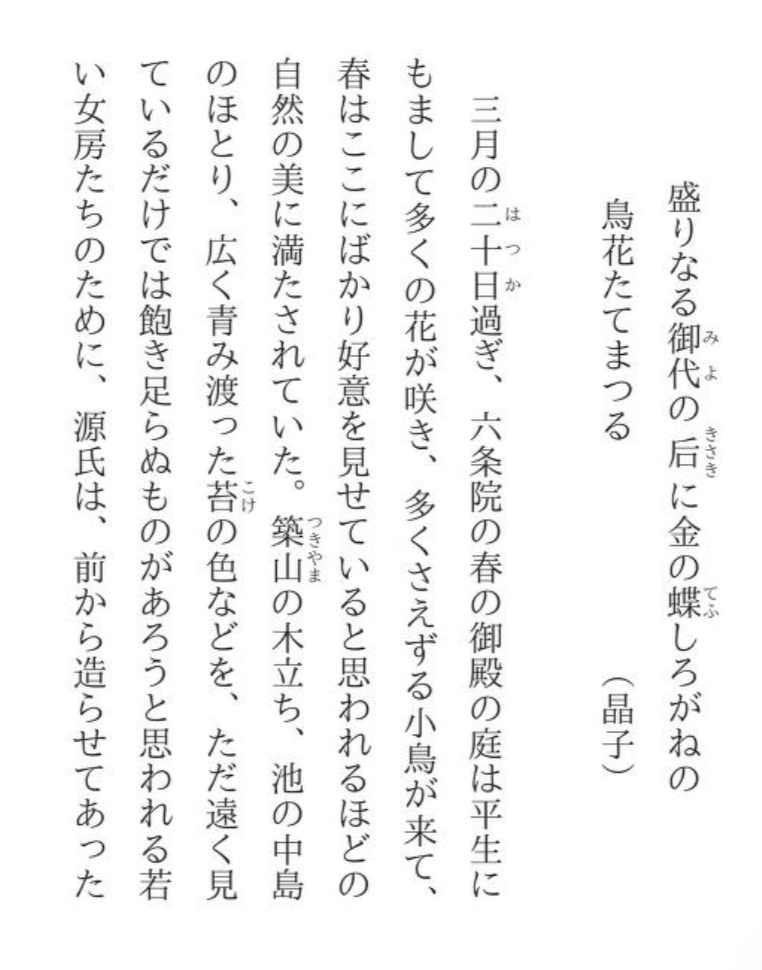
Japanese manga → Polish translation

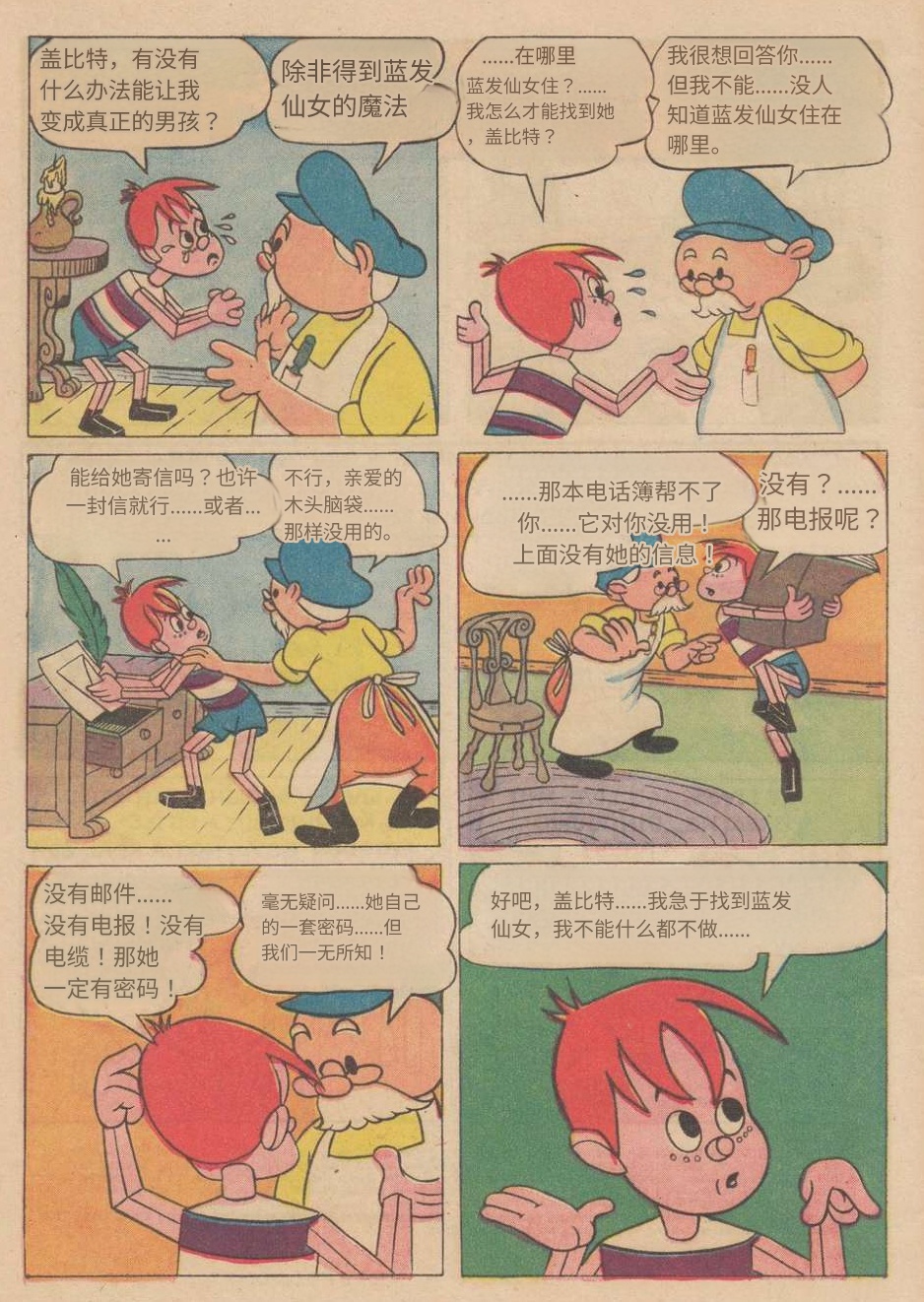
Chinese manga → Polish translation
About Japanese Script & OCR
Translation Challenges: Japanese → Polish
Sentence Structure and Word Order
Japanese uses SOV (Subject-Object-Verb) word order, while Polish primarily uses SVO (Subject-Verb-Object) but has flexible word order thanks to its case system. Translating between the two requires significant rearrangement, especially for complex sentences where Japanese stacks modifiers before the verb at the end.
Cultural Context and Honorifics
Japanese honorifics (-san, -kun, -chan, -sama) encode social relationships that Polish doesn't have grammatical equivalents for. The translator has to decide whether to drop them, replace them with descriptive alternatives, or keep them in a way that doesn't feel forced for Polish readers. Each approach has trade-offs.
Manga-Specific Onomatopoeia and SFX
Japanese manga uses extensive onomatopoeia for everything from heartbeats (doki doki) to silence (shiiin). Polish has its own sound words, but they don't map one-to-one with Japanese. Many require creative adaptation rather than literal translation to preserve both the sound and the emotional tone of the original.
Idioms and Youth Slang
Manga dialogue frequently includes idioms, wordplay, and current youth slang that resists direct translation. A literal rendering often sounds incomprehensible or awkward in Polish. Effective translation requires familiarity with both languages and their contemporary usage.
Common Japanese to Polish Manga Phrases
| Original | Romanization | Meaning | Polish |
|---|---|---|---|
| まさか! | Masaka! | No way! Impossible! | Niemożliwe! |
| やれやれ | Yare yare | Good grief; what a pain (resigned sigh) | No, trudno... |
| いただきます | Itadakimasu | Polite phrase before eating (lit. 'I humbly receive') | Smacznego! |
| ごめんね | Gomen ne | Sorry (informal, often used by younger characters) | Przepraszam |
| ドキドキ | Doki doki | Heartbeat (SFX) | Doki-doki (bicie serca) |
| フフフ | Fufufu | Quiet chuckle, giggle (SFX) | Hee hee hee |
| うそ! | Uso! | Lie! No way! (exclamation of disbelief) | Kłamstwo! / Niemożliwe! |
Japanese to Polish Manga Translation Tips
- 1
Look Up Cultural Context
Japanese manga is full of cultural references that Polish readers may not immediately recognize. If a translation seems odd, look for context online or in fansub translator notes to better understand the nuances behind specific scenes or phrases.
- 2
Adapt Onomatopoeia Instead of Translating Literally
SFX like ドサッ (dosa', a thud) or ニコニコ (niko niko, smiling) rarely have perfect Polish equivalents. Sometimes it's better to leave them as sound descriptions, other times a creative Polish adaptation captures the feeling better than a direct transliteration.
- 3
Recognize the Different Writing Systems
Japanese uses kanji, hiragana, and katakana together. Katakana is often used for foreign loanwords and sound effects, which can help identify what type of text you're looking at. OCR sometimes struggles to distinguish between these, which can affect translation quality.
- 4
Review the Translated Text
Japanese to Polish is a language pair that requires significant interpretation. Always review the translated text and adjust it to sound natural and convey the author's intent in a Polish context.
Japanese to Polish Translation FAQ
Can I translate manga that's only available as images?▾
That's exactly what the tool is designed for. Upload a manga page image and the system recognizes the Japanese text and translates it to Polish, overlaying the result on the panels.
How should I handle Japanese onomatopoeia with no Polish equivalent?▾
This often requires some creativity. You can keep the romanized version with a brief explanation in parentheses (e.g., 'doki doki (heartbeat)'), or find a Polish sound-imitative word that best captures the meaning, even if it's not a literal match.
Does the tool handle vertical Japanese text?▾
The OCR recognizes both horizontal and vertical text, which is important for Japanese manga. The translated Polish text is placed in speech bubbles regardless of the original layout direction.
Why do some translated sentences sound awkward in Polish?▾
Japanese and Polish have very different grammatical structures and stylistic conventions. Automated translation can struggle to capture every nuance, especially without full chapter context. Manual review is often needed to make the Polish text flow naturally.
Can I use the tool to translate comics from other languages besides Japanese?▾
The tool supports multiple language pairs. While this page focuses on Japanese to Polish, other source and target language combinations are available.
More Japanese Translation Tools
Japanese to English Manga Translator
Translate Japanese manga to English from images. Handles kanji, hiragana, katakana OCR, honorifics, onomatopoeia, and right-to-left panel layouts. Use images you have permission to work with.
Japanese to French Manga Translator
Translate Japanese manga to French with image translation. Handles vertical text, onomatopoeia, and tu/vous honorific mapping for French readers. Use images you have permission to work with.
Japanese to Portuguese Manga Translator
Translate Japanese manga to Portuguese with image translation. Handles SOV-to-SVO restructuring, gendered nouns, and onomatopoeia adaptation. Use images you have permission to work with.
Comedy Gag Manga Translation Guide
Master the art of translating Comedy Gag manga with this in-depth guide. Learn about unique challenges, essential Japanese terms, and practical tips for
Fantasy Adventure Manga Translation Guide
Explore the unique challenges and essential terminology of translating Fantasy Adventure manga. This guide covers common tropes, vocabulary, and practical
Historical Manga Translation Guide: Navigating Feudal Japan and Beyond
Dive into the unique challenges of translating historical manga. Learn essential Japanese terms, cultural nuances, and common tropes to accurately convey
Japanese Manga Comedy Sound Effects (SFX) Glossary
Explore 28 essential Japanese comedy sound effects (SFX) used in manga. This glossary helps readers and translators understand the nuances of comedic
Japanese Manga Daily Life Sound Effects (SFX) Glossary
Explore 28 essential Japanese daily life sound effects (SFX) from manga. This glossary helps readers and translators understand common sounds like eating,
Ready to translate a manga image you can use?
Upload only images you own, made, licensed, or have permission to work with, then review the Japanese → Polish output.
Translate an image you can useDisclaimer: Novel Translator does not store or archive images uploaded for translation. Images are handled in real time and discarded after the job finishes. Please upload only images you own, made, licensed, or have permission to upload, process, translate, and use. We do not provide images, illustrations, comics, scans, downloads, or other source material. Use of this service constitutes acceptance of our Terms of Service.