
Japanese to Korean Manga Translator | 일본 만화 한국어 번역기
일본 만화 중 상당수가 한국어 번역 없이 연재되거나, 한국어판이 수개월씩 늦게 나옵니다. 일본어와 한국어는 SOV 어순을 공유하는 등 구조적으로 비슷한 점이 있어 번역에 유리하지만, 경어 체계, 의성어·의태어 관습, 미묘한 문법 차이 때문에 여전히 어려운 부분이 많습니다. 일본 만화를 한국어로 옮기려면, 일본어 경어를 한국어 말투 체계(존댓말/반말)에 맞춰야 하고, 효과음을 한국어 음향 관습에 맞게 바꿔야 하며, 양쪽 언어 모두 크게 의존하는 문맥적 뉘앙스를 세심하게 살려야 합니다. Only use this with images you own, made, licensed, or have permission to work with.
Translate an image you can useSee It in Action
Compare a source image you can use with its translated result
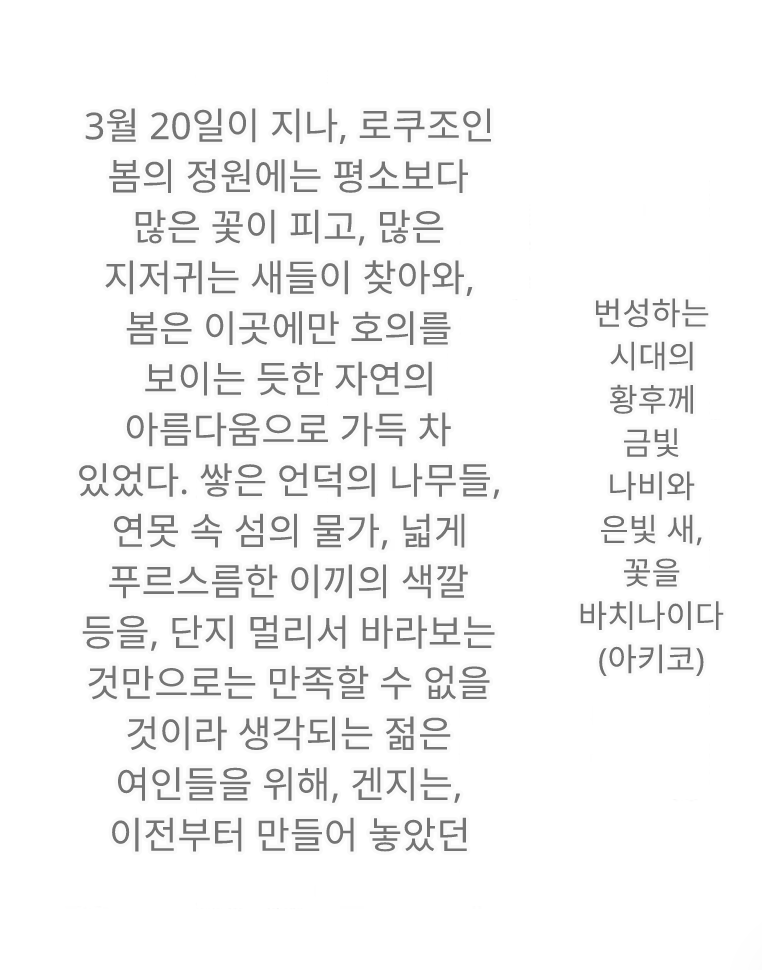
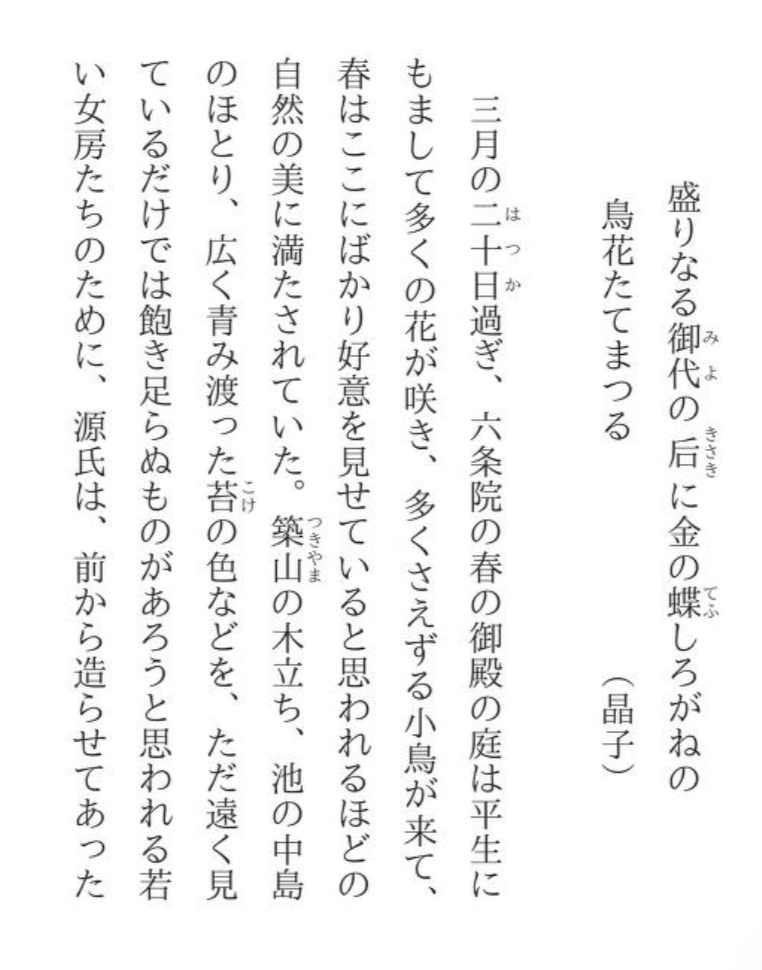
Japanese manga → Korean translation
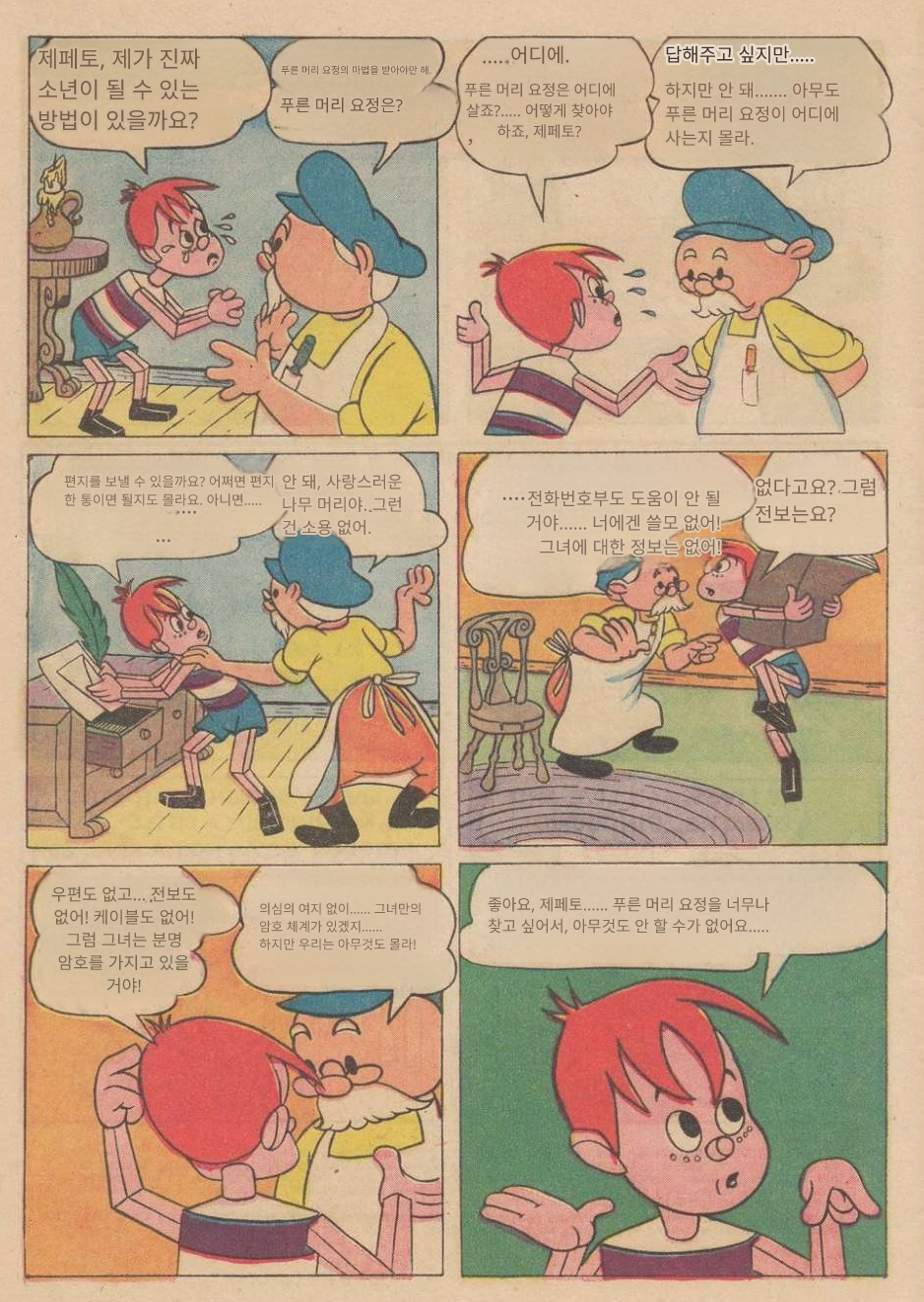
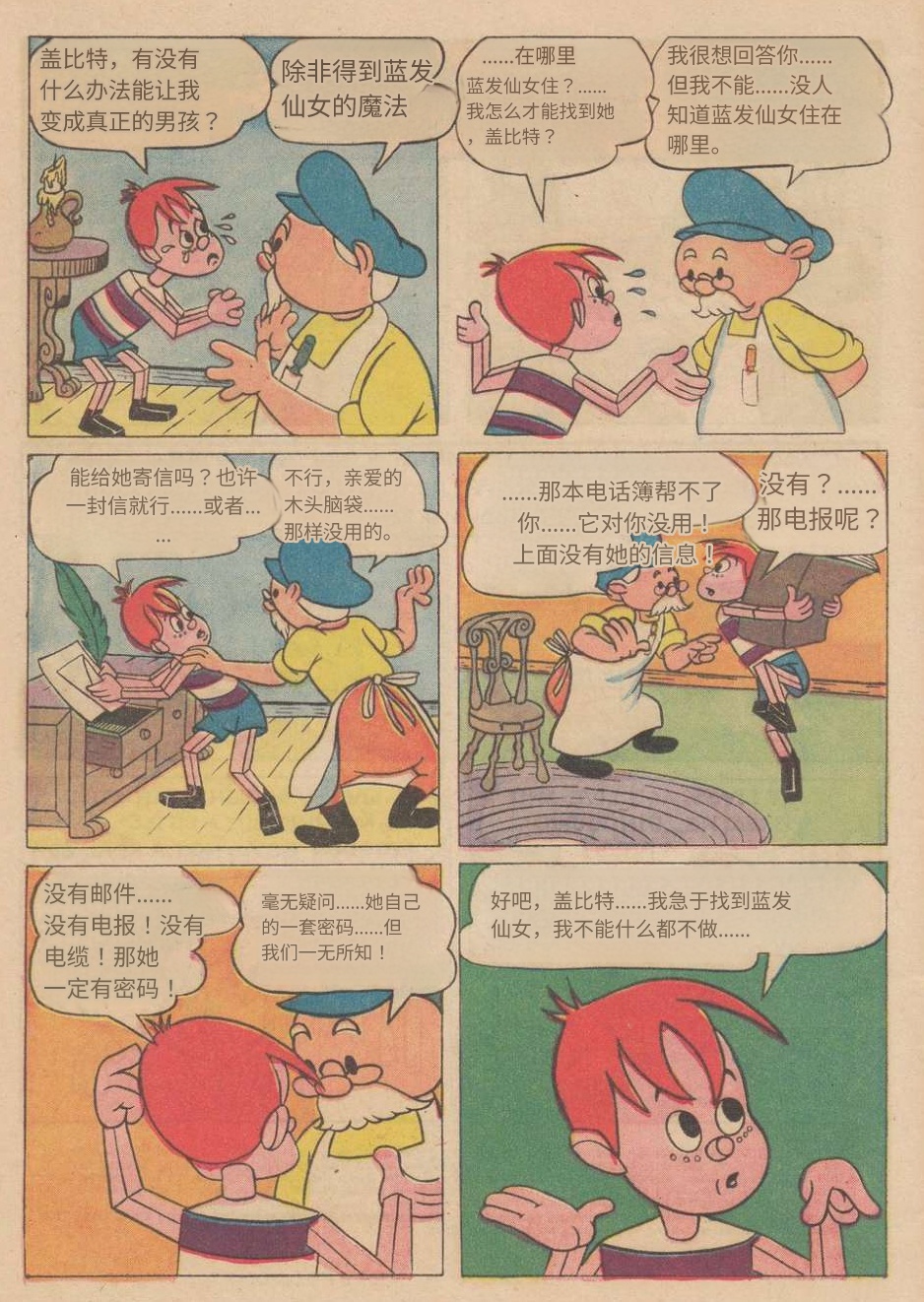
Chinese manga → Korean translation
About Japanese Script & OCR
Translation Challenges: Japanese → Korean
경어와 말투 변환
일본어 경칭(-さん, -ちゃん, -くん 등)은 미묘한 사회적 관계와 존경을 나타내지만, 한국어에 딱 맞는 표현이 없을 때가 많습니다. 자연스러운 한국어 말투(존댓말, 반말)로 정확히 바꾸면서도 캐릭터 간 관계와 분위기를 살리는 게 주요 과제입니다.
의성어·의태어 변환
만화에는 소리, 동작, 감정을 나타내는 일본어 의성어·의태어가 빈번하게 나오고, 그림에 시각적으로 녹아 있는 경우도 많습니다. 직역하면 임팩트가 떨어지거나 어색해지기 쉬워서, 한국어 감각에 맞게 세심하게 바꿔야 합니다.
생략과 함축적 의미 처리
일본어 만화 대사는 문맥에 크게 기대며, 주어나 목적어를 자주 생략합니다. 한국어도 고맥락 소통 방식이긴 하지만, 구체적으로 무엇을 생략하고 함축하는지는 다를 수 있습니다. 일본어의 전체 의미를 파악해서, 한국어가 지나치게 설명적이거나 어색하지 않으면서도 자연스럽게 읽히도록 번역하는 게 까다로운 부분입니다.
문법 구조와 어순 차이
일본어와 한국어는 모두 교착어이고 SOV 어순을 따르지만, 세부 문법, 조사, 동사 활용에서 미묘한 차이가 있어 세심한 재구성이 필요합니다. 한국어로 옮긴 결과물이 자연스럽게 읽히면서 일본어의 뉘앙스를 정확히 담아야 하고, 직역 같은 느낌이 나면 안 됩니다.
Japanese에서 Korean로 Manga 자주 쓰는 표현
| Original | Romanization | Meaning | Korean |
|---|---|---|---|
| お邪魔します | Ojama shimasu | 남의 집에 들어갈 때 쓰는 인사 | 실례합니다 |
| やばい | Yabai | 상황에 따라 '대박' 또는 '큰일' (긍정/부정 모두 가능) | 대박 / 큰일 났다 |
| なるほど | Naruhodo | 이해·납득 표현 | 과연 / 그렇군요 |
| ドン! | Don! | 충격·극적 타격 효과음 | 쾅! / 쿵! |
| ざわざわ | Zawazawa | 웅성거림·불안한 분위기 묘사 | 웅성웅성 / 술렁술렁 |
| まさか | Masaka | 믿을 수 없음·경악 표현 | 설마 |
| 頑張れ! | Ganbare! | 응원·격려 표현 | 힘내! |
Japanese에서 Korean로 Manga 번역 팁
- 1
효과음은 컷의 분위기를 보고 판단
일본어 효과음은 활용 범위가 넓습니다. 예를 들어 'ゴゴゴゴ(고고고고)'는 보통 으스스한 위압감이나 긴장감을 나타내지만, 적절한 한국어 대응은 해당 컷 분위기에 따라 달라집니다. 그림과 캐릭터 표정을 함께 보면서 판단하세요.
- 2
경칭이 내포하는 관계를 이해하기
-ちゃん(-짱), -くん(-군), -さん(-상) 같은 경칭이 보이면 인물 간 관계를 나타내는 겁니다. 한국어로 옮길 때는 이에 맞춰 말투 수준을 조정하게 됩니다. 또래에게 '-ちゃん'을 쓰는 캐릭터는 한국어로 반말, '-さん'을 쓰는 경우 관계에 따라 해요체나 합쇼체로 바뀔 수 있습니다.
- 3
비슷해 보이지만 다른 표현에 주의
문화적 뿌리가 겹치다 보니 일본어와 한국어에서 비슷하게 들리거나 보이는 단어가 있지만, 뉘앙스나 쓰임새가 다를 수 있습니다. 예를 들어 양쪽 다 '가족' 관련 단어가 있어도, 특정 만화 장면에서의 문화적 함의가 달라서 한국어가 어색하지 않도록 표현을 잘 골라야 합니다.
- 4
다의어의 문맥별 의미 확인
일본어에는 동음이의어가 많고, 문맥에 따라 뜻이 크게 달라지는 단어도 많습니다. 예를 들어 '気(키)'는 기운, 에너지, 기분, 공기 등 여러 뜻이 있습니다. 주변 대사와 캐릭터 행동을 보면서 가장 적합한 한국어 번역인지 확인하세요.
Japanese에서 Korean로 번역 FAQ
세로쓰기 일본어 텍스트도 정확하게 번역되나요?▾
네, 만화에서 흔히 쓰이는 가로쓰기와 세로쓰기 일본어 레이아웃을 모두 처리합니다. 말풍선이나 그림 속 텍스트 방향을 자동으로 식별하고 올바르게 읽어서 정확한 한국어 번역을 제공합니다.
일본어 경어가 한국어로 얼마나 잘 변환되나요?▾
원문의 격식 수준이나 친밀도를 파악하고, 그에 맞는 한국어 말투를 골라서 번역합니다. 다만 일본어 경칭과 한국어 경어법이 일대일로 대응하는 경우가 드물어서, 완벽한 뉘앙스를 위해서는 약간의 직접 수정이 필요할 수 있습니다.
번역된 한국어 텍스트가 원본 말풍선에 잘 들어가나요?▾
한국어 텍스트를 원본 말풍선 크기와 형태에 최대한 맞춰 넣습니다. 일본어와 한국어 간 단어 길이나 문장 구조 차이 때문에 글자 크기 자동 조절이나 재배치가 일부 이루어질 수 있습니다.
장식적 폰트나 손글씨가 있는 만화도 번역할 수 있나요?▾
OCR이 대부분의 폰트를 잘 처리하지만, 극도로 장식적이거나 너무 지저분한 손글씨는 인식이 어려울 수 있습니다. 텍스트가 선명한 이미지일수록 정확도가 올라갑니다. 잘못 인식된 텍스트는 결과물에서 직접 수정할 수 있습니다.
만화에 등장하는 일본어 속어나 비격식 표현도 이해하나요?▾
번역 모델이 비격식 표현을 포함한 방대한 텍스트 데이터로 학습되어 있어서, 일본어 속어와 일상적 표현을 자연스러운 한국어로 번역합니다. 아주 특수하거나 갓 생긴 신조어는 간혹 까다로울 수 있지만, 일반적인 만화 비격식 표현은 대체로 잘 처리됩니다.
더 많은 Japanese 번역 도구
Japanese to English Manga Translator
Translate Japanese manga to English from images. Handles kanji, hiragana, katakana OCR, honorifics, onomatopoeia, and right-to-left panel layouts. Use images you have permission to work with.
Japanese to French Manga Translator
Translate Japanese manga to French with image translation. Handles vertical text, onomatopoeia, and tu/vous honorific mapping for French readers. Use images you have permission to work with.
Japanese to Portuguese Manga Translator
Translate Japanese manga to Portuguese with image translation. Handles SOV-to-SVO restructuring, gendered nouns, and onomatopoeia adaptation. Use images you have permission to work with.
Comedy Gag Manga Translation Guide
Master the art of translating Comedy Gag manga with this in-depth guide. Learn about unique challenges, essential Japanese terms, and practical tips for
Fantasy Adventure Manga Translation Guide
Explore the unique challenges and essential terminology of translating Fantasy Adventure manga. This guide covers common tropes, vocabulary, and practical
Historical Manga Translation Guide: Navigating Feudal Japan and Beyond
Dive into the unique challenges of translating historical manga. Learn essential Japanese terms, cultural nuances, and common tropes to accurately convey
Japanese Manga Comedy Sound Effects (SFX) Glossary
Explore 28 essential Japanese comedy sound effects (SFX) used in manga. This glossary helps readers and translators understand the nuances of comedic
Japanese Manga Daily Life Sound Effects (SFX) Glossary
Explore 28 essential Japanese daily life sound effects (SFX) from manga. This glossary helps readers and translators understand common sounds like eating,
Ready to translate a manga image you can use?
Upload only images you own, made, licensed, or have permission to work with, then review the Japanese → Korean output.
Translate an image you can useDisclaimer: Novel Translator does not store or archive images uploaded for translation. Images are handled in real time and discarded after the job finishes. Please upload only images you own, made, licensed, or have permission to upload, process, translate, and use. We do not provide images, illustrations, comics, scans, downloads, or other source material. Use of this service constitutes acceptance of our Terms of Service.