
Japanese to Italian Manga Translator
Japanese and Italian express emotion, formality, and sound in completely different ways, which makes manga translation between them a real linguistic puzzle. Italian assigns grammatical gender to every noun while Japanese has none. Italian is naturally expressive while Japanese manga dialogue often relies on understatement and implication. And the massive Japanese onomatopoeia system doesn't map neatly to Italian sound conventions. Translating manga from Japanese to Italian means solving all of these problems while keeping the dialogue natural and the story's emotional beats intact. Only use this with images you own, made, licensed, or have permission to work with.
Translate an image you can useSee It in Action
Compare a source image you can use with its translated result

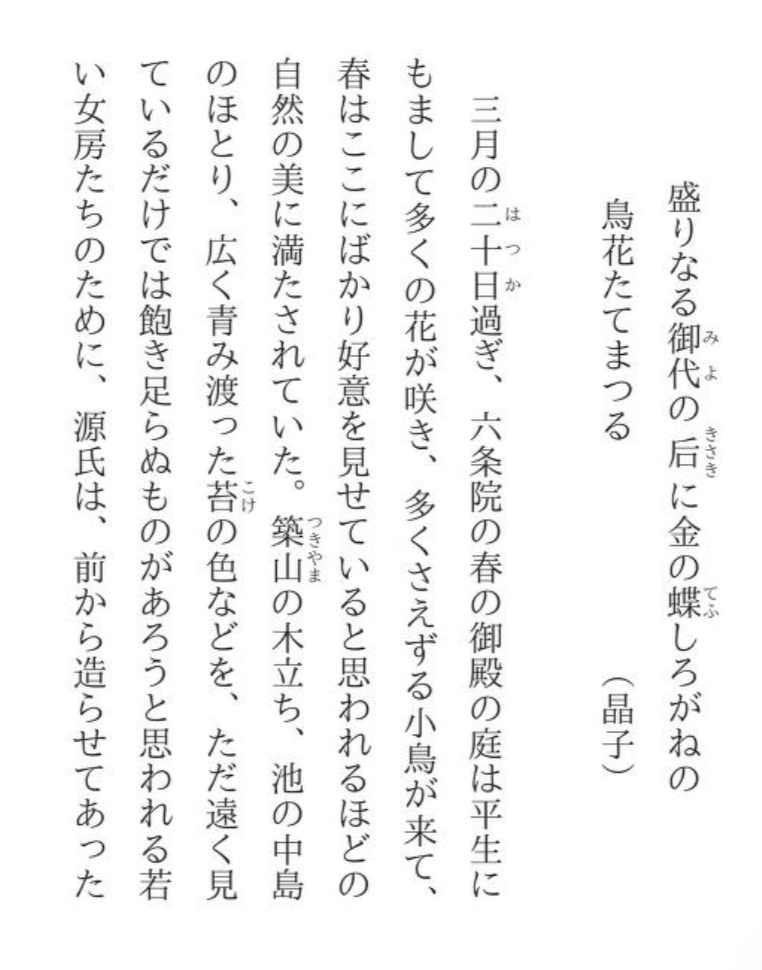
Japanese manga → Italian translation

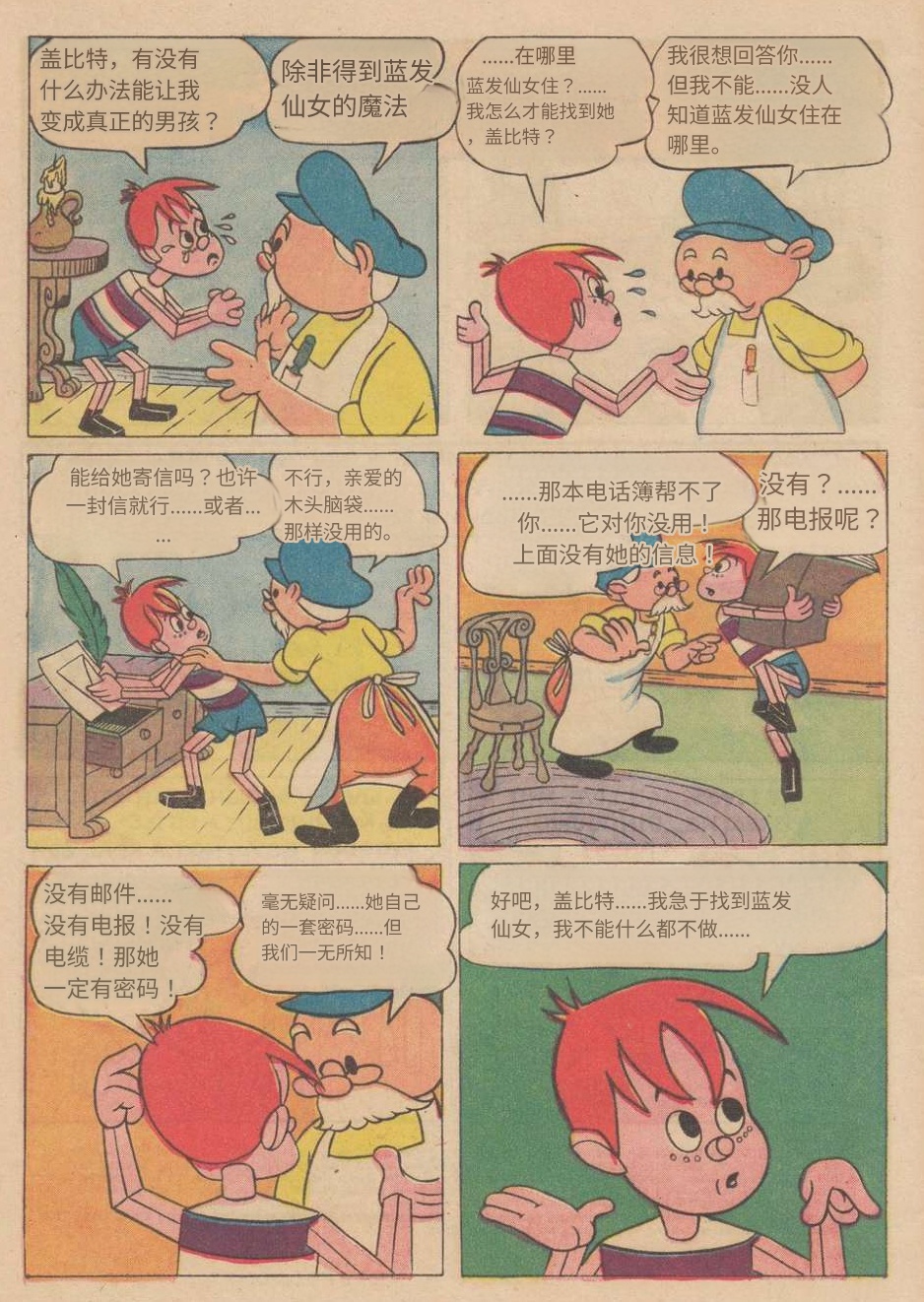
Chinese manga → Italian translation
About Japanese Script & OCR
Translation Challenges: Japanese → Italian
Italian Gendered Nouns vs. Genderless Japanese
Italian assigns grammatical gender to every single noun, and adjectives, articles, and past participles must all agree. Japanese has no grammatical gender whatsoever. This means the translator must determine gender from context, which in manga often depends on visual cues like character design. Getting 'il ragazzo stanco' vs. 'la ragazza stanca' right matters for readability, and mistakes are immediately noticeable to Italian readers.
Formal Lei/Tu vs. Japanese Honorific Layers
Italian distinguishes between formal 'Lei' and informal 'tu,' but Japanese honorifics (-san, -kun, -chan, -sama, -senpai) encode much finer social distinctions. A character using -sama shows deep reverence that Italian 'Lei' alone can't fully capture. Similarly, the warmth of -chan has no single Italian equivalent. Translating these shifts requires understanding character relationships and choosing Italian phrasing that conveys the right emotional distance or closeness.
Italian Expressiveness vs. Japanese Understatement
Italian is a naturally expressive language where emotions are communicated openly and emphatically. Japanese manga dialogue, by contrast, often relies on understatement, silence, and implication. A simple 'sou ka' (is that so) carries weight through what's left unsaid. Translating this into Italian without over-dramatizing the quiet moments or under-selling the emotional ones requires careful calibration of tone and word choice.
Rendering Japanese SFX in Italian
Japanese manga uses an enormous vocabulary of sound effects that cover everything from explosions to the feeling of awkward silence. Italian has its own rich tradition of onomatopoeia, but the systems don't map neatly. Japanese 'goro goro' (rolling thunder / lounging) has no Italian SFX equivalent. The translator must choose between Italian sound words where they exist ('Boom,' 'Crack'), creative Italian descriptions, or keeping the original Japanese with an Italian note.
Common Japanese to Italian Manga Phrases
| Original | Romanization | Meaning | Italian |
|---|---|---|---|
| まさか! | Masaka! | No way! Impossible! | Impossibile! / Non ci credo! |
| うるさい! | Urusai! | Shut up! You're annoying! | Stai zitto! / Che scocciatura! |
| 頑張れ! | Ganbare! | Do your best! Hang in there! | Dai! Forza! / Fai del tuo meglio! |
| なるほど | Naruhodo | I see; Makes sense; Indeed | Capisco / Ah, ecco |
| ドキドキ | Doki doki | Heart pounding with excitement or nervousness (SFX) | Tum tum / Battito del cuore |
| すごい! | Sugoi! | Amazing! Incredible! | Incredibile! / Fantastico! |
| お邪魔します | Ojama shimasu | Excuse my intrusion (when entering someone's home) | Permesso / Scusate il disturbo |
| ごめん | Gomen | Sorry (informal) | Scusa / Mi dispiace |
Japanese to Italian Manga Translation Tips
- 1
Double-Check Gender Agreement After Translation
Since Japanese has no grammatical gender, the AI must infer it from context. After translation, scan Italian dialogue for gender consistency. If a female character is described as 'stanco' instead of 'stanca,' fix it. The manga artwork gives you clear visual cues that help verify gender choices in the translation.
- 2
Match Lei/Tu to Character Relationship Arcs
In manga, honorific changes mark relationship milestones. Mirror these in Italian by switching between 'Lei' and 'tu' at the same narrative moments. When two characters go from formal to casual address in Japanese, make sure the Italian dialogue reflects that same transition.
- 3
Preserve Japanese Understatement in Italian
Resist the temptation to make every translated line as emphatic as Italian naturally tends to be. When a Japanese character says something quietly significant with few words, keep the Italian similarly restrained. Not every line needs an exclamation mark or dramatic phrasing. Let the art carry the emotion where the Japanese original intended silence to speak.
- 4
Adapt SFX to Italian Sound Conventions
Italian has great onomatopoeia: 'Bum' for explosions, 'Splash' for water, 'Toc toc' for knocking. Use these where they fit. For Japanese emotional SFX like 'jiiii' (intense staring), try a short Italian description like 'fisso...' rather than a forced sound word. The goal is for Italian readers to feel the same mood without needing a glossary.
Japanese to Italian Translation FAQ
Will the translator get Italian grammatical gender right?▾
The AI infers gender from context and gets it right most of the time. Since Japanese lacks grammatical gender entirely, some ambiguous cases may need manual correction. The editing interface lets you quickly fix any gender agreement issues in articles, adjectives, and participles.
How does it handle the difference between Japanese and Italian expressiveness?▾
The translator aims for natural-sounding Italian that matches the tone of the original Japanese. Quiet, understated moments are kept subdued rather than amplified, while dramatic scenes get appropriately expressive Italian phrasing. You can adjust the tone in the editor if a particular line feels too flat or too dramatic.
Can this tool translate Japanese vertical text in speech bubbles?▾
Yes, the OCR engine recognizes vertical Japanese text standard in manga speech bubbles. It reads text in the correct top-to-bottom, right-to-left order and outputs Italian in standard horizontal format. Bubble space may occasionally require minor text adjustments for longer Italian phrases.
Does the translation handle manga-specific slang and casual dialogue?▾
Common manga slang and casual Japanese speech patterns translate well into Italian equivalents. Very niche slang or heavy dialect speech may need manual tweaking. The tool provides a solid base that captures the conversational tone.
Can I edit the Italian text after translation?▾
Yes. The platform provides an editing interface where you can modify any translated text. This is helpful for correcting gender agreement, adjusting formality levels between Lei and tu, or rephrasing SFX translations.
More Japanese Translation Tools
Japanese to English Manga Translator
Translate Japanese manga to English from images. Handles kanji, hiragana, katakana OCR, honorifics, onomatopoeia, and right-to-left panel layouts. Use images you have permission to work with.
Japanese to French Manga Translator
Translate Japanese manga to French with image translation. Handles vertical text, onomatopoeia, and tu/vous honorific mapping for French readers. Use images you have permission to work with.
Japanese to Portuguese Manga Translator
Translate Japanese manga to Portuguese with image translation. Handles SOV-to-SVO restructuring, gendered nouns, and onomatopoeia adaptation. Use images you have permission to work with.
Comedy Gag Manga Translation Guide
Master the art of translating Comedy Gag manga with this in-depth guide. Learn about unique challenges, essential Japanese terms, and practical tips for
Fantasy Adventure Manga Translation Guide
Explore the unique challenges and essential terminology of translating Fantasy Adventure manga. This guide covers common tropes, vocabulary, and practical
Historical Manga Translation Guide: Navigating Feudal Japan and Beyond
Dive into the unique challenges of translating historical manga. Learn essential Japanese terms, cultural nuances, and common tropes to accurately convey
Japanese Manga Comedy Sound Effects (SFX) Glossary
Explore 28 essential Japanese comedy sound effects (SFX) used in manga. This glossary helps readers and translators understand the nuances of comedic
Japanese Manga Daily Life Sound Effects (SFX) Glossary
Explore 28 essential Japanese daily life sound effects (SFX) from manga. This glossary helps readers and translators understand common sounds like eating,
Ready to translate a manga image you can use?
Upload only images you own, made, licensed, or have permission to work with, then review the Japanese → Italian output.
Translate an image you can useDisclaimer: Novel Translator does not store or archive images uploaded for translation. Images are handled in real time and discarded after the job finishes. Please upload only images you own, made, licensed, or have permission to upload, process, translate, and use. We do not provide images, illustrations, comics, scans, downloads, or other source material. Use of this service constitutes acceptance of our Terms of Service.