
Japanese to Hindi Manga Translator
For Japanese manga images you have permission to work with, Hindi translation requires careful script conversion and cultural context. The translation gap between Japanese and Hindi involves three writing systems on the Japanese side, an SOV-to-SOV grammar conversion (both languages share this structure, which helps), and the challenge of rendering Japanese text into Devanagari script. Honorifics, cultural references, and the expressive SFX system in manga all need careful handling to produce readable Hindi output.
Translate an image you can useSee It in Action
Compare a source image you can use with its translated result

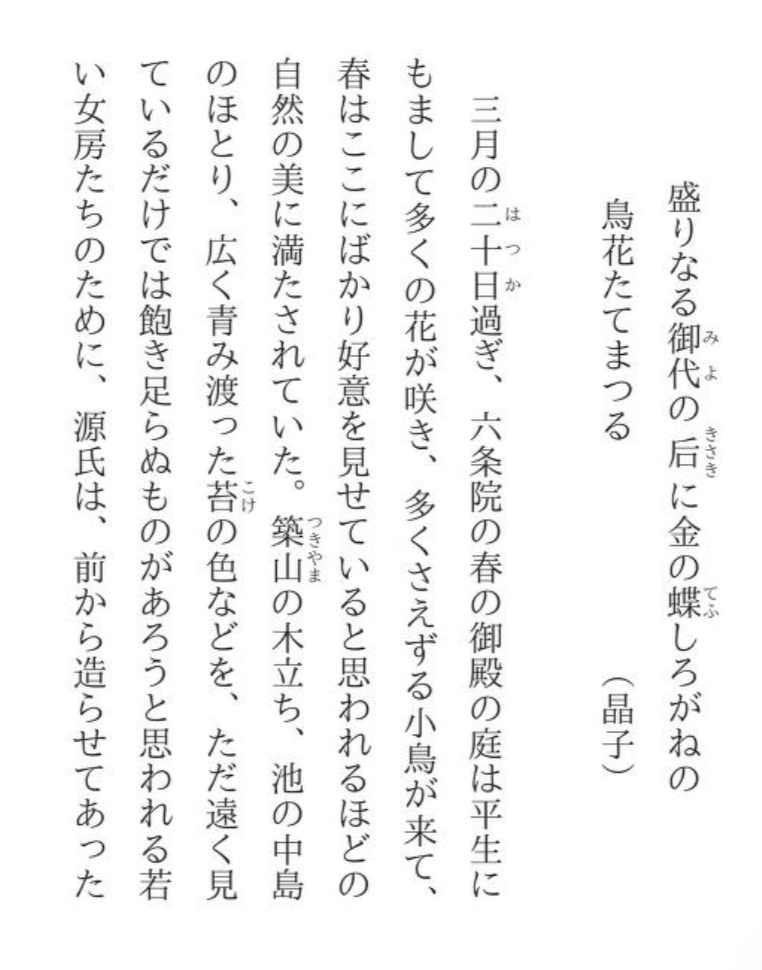
Japanese manga → Hindi translation

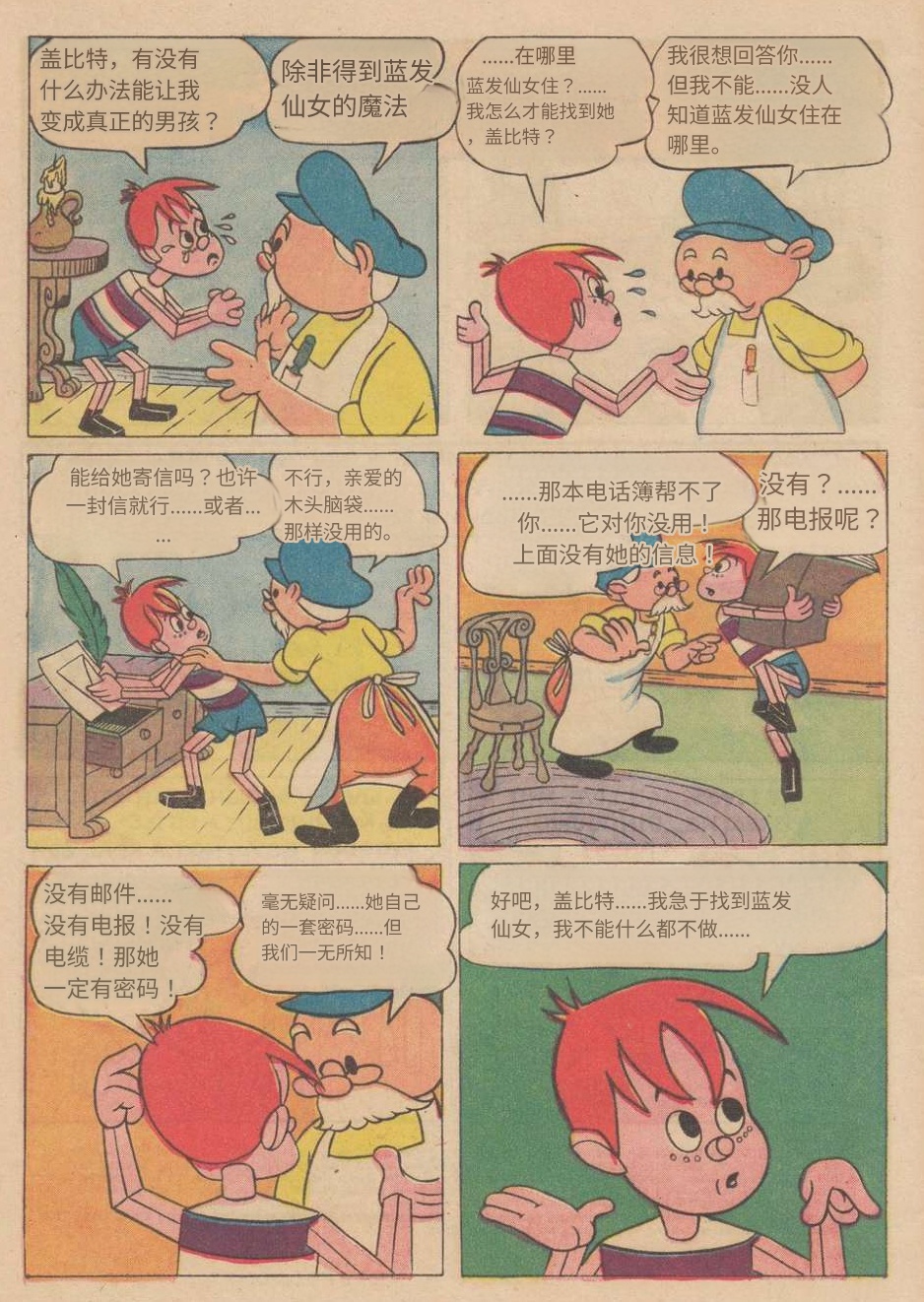
Chinese manga → Hindi translation
About Japanese Script & OCR
Translation Challenges: Japanese → Hindi
Cultural Nuances and Contextual Gaps
Japanese manga is packed with cultural references, social hierarchies, and specific politeness levels (honorifics like -san, -kun, -chan) that don't have direct equivalents in Hindi. The tool interprets these contexts so that the Hindi translation feels natural and conveys the original intent, rather than producing a literal word-for-word rendering.
Onomatopoeia (SFX) Translation and Localization
Manga relies heavily on unique Japanese sound effects that are integral to the storytelling. Simply translating them literally to Hindi often doesn't capture the same impact. The system recognizes SFX like 'ドクン' (dokun) for a heartbeat and localizes them into expressive Hindi equivalents or descriptions that fit the panel's mood.
Complex Sentence Structures and Particle Usage
Japanese sentence structure often places the verb at the end and uses numerous particles to denote grammatical relationships. While Hindi also uses SOV order (which helps), the particle systems differ significantly. Accurately mapping Japanese particles to Hindi postpositions is important for natural-sounding output.
Kanji Ambiguity and Homophones
Many kanji characters have multiple readings and meanings depending on context, and numerous Japanese words are homophones. This can lead to misinterpretations if the OCR or translation doesn't grasp the visual context within the manga panel. The tool uses visual and textual cues to disambiguate and provide the most accurate Hindi translation.
Common Japanese to Hindi Manga Phrases
| Original | Romanization | Meaning | Hindi |
|---|---|---|---|
| お早う (ございます) | Ohayou (gozaimasu) | Good morning | सुप्रभात |
| まさか! | Masaka! | No way! / Impossible! | असंभव! |
| いただきます | Itadakimasu | A phrase said before eating (acknowledging the food/those who prepared it) | मैं खाने जा रहा हूँ (खाने से पहले शिष्टाचार) |
| ごめんね | Gomen ne | Sorry / My bad (informal) | माफ़ करना |
| ドクン | Dokun | Thump / Heartbeat sound | धक् धक् |
| キラーン | Kiraan | Sparkle / Glimmer (often for eyes or shiny objects) | चमक |
| そっか | Sokka | I see / Oh, right | अच्छा, समझा |
Japanese to Hindi Manga Translation Tips
- 1
Pay Attention to Contextual Clues
Japanese can be very context-dependent. If a direct translation in Hindi seems odd, look at the character's expression, the panel's art, and the preceding dialogue. This often helps you understand the nuance the automated translation is trying to convey.
- 2
Understand Japanese Honorifics
Honorifics like -san, -kun, -chan, -sama are often retained or adapted in translation. Knowing their general meaning (e.g., -san is general respect, -chan is for cute/young females) will help you grasp character relationships, which might not be explicitly stated in the Hindi translation.
- 3
SFX Are Part of the Art
Japanese SFX are often drawn into the art itself. While the tool translates them, also appreciate their visual impact. Sometimes the best way to understand an SFX like 'シーーーン' (shiiin, silence) is simply to note the quiet atmosphere it creates in the panel.
- 4
Watch for Word Order Shifts
Japanese sentence structure differs from Hindi in specific ways, even though both are SOV. While the tool reorders for natural Hindi, sometimes a slightly awkward phrasing might occur. Don't hesitate to mentally rearrange words if a sentence feels clunky.
Japanese to Hindi Translation FAQ
Can this tool translate vertical Japanese text in manga panels to Hindi?▾
Yes, the tool handles various text layouts common in manga, including vertically oriented Japanese text. It recognizes, extracts, and translates it into horizontal Hindi Devanagari script.
How accurate is the translation from Japanese manga to Hindi, especially with complex dialogue?▾
The tool uses AI trained on manga-specific content. It performs well with standard dialogue by considering context, common manga tropes, and Japanese linguistic nuances. Complex cultural references or wordplay may occasionally need manual review.
Will the tool translate Japanese sound effects (SFX) into Hindi?▾
Yes. The tool identifies Japanese onomatopoeia and provides meaningful Hindi equivalents or descriptive translations that convey the same impact and feeling as the original.
Does this translator preserve the original manga formatting and art when translating to Hindi?▾
Yes, the tool overlays the Hindi translation directly onto the image, replacing the Japanese text while preserving the original artwork and panel layout as much as possible.
Can I use this tool on Japanese manga image files I can use?▾
The tool works best with clear, high-resolution images where the text is legible. Extremely blurry or heavily compressed images might reduce OCR accuracy, which affects the quality of the Hindi translation.
More Japanese Translation Tools
Japanese to English Manga Translator
Translate Japanese manga to English from images. Handles kanji, hiragana, katakana OCR, honorifics, onomatopoeia, and right-to-left panel layouts. Use images you have permission to work with.
Japanese to French Manga Translator
Translate Japanese manga to French with image translation. Handles vertical text, onomatopoeia, and tu/vous honorific mapping for French readers. Use images you have permission to work with.
Japanese to Portuguese Manga Translator
Translate Japanese manga to Portuguese with image translation. Handles SOV-to-SVO restructuring, gendered nouns, and onomatopoeia adaptation. Use images you have permission to work with.
Comedy Gag Manga Translation Guide
Master the art of translating Comedy Gag manga with this in-depth guide. Learn about unique challenges, essential Japanese terms, and practical tips for
Fantasy Adventure Manga Translation Guide
Explore the unique challenges and essential terminology of translating Fantasy Adventure manga. This guide covers common tropes, vocabulary, and practical
Historical Manga Translation Guide: Navigating Feudal Japan and Beyond
Dive into the unique challenges of translating historical manga. Learn essential Japanese terms, cultural nuances, and common tropes to accurately convey
Japanese Manga Comedy Sound Effects (SFX) Glossary
Explore 28 essential Japanese comedy sound effects (SFX) used in manga. This glossary helps readers and translators understand the nuances of comedic
Japanese Manga Daily Life Sound Effects (SFX) Glossary
Explore 28 essential Japanese daily life sound effects (SFX) from manga. This glossary helps readers and translators understand common sounds like eating,
Ready to translate a manga image you can use?
Upload only images you own, made, licensed, or have permission to work with, then review the Japanese → Hindi output.
Translate an image you can useDisclaimer: Novel Translator does not store or archive images uploaded for translation. Images are handled in real time and discarded after the job finishes. Please upload only images you own, made, licensed, or have permission to upload, process, translate, and use. We do not provide images, illustrations, comics, scans, downloads, or other source material. Use of this service constitutes acceptance of our Terms of Service.