
Chinese to French Manhua Translator
France has one of the largest comics markets in the world, with bande dessinee as a core part of the culture. French readers increasingly want access to Chinese manhua, but the translation gap between Chinese and French is substantial. Chinese packs enormous meaning into compact characters, uses measure words and classifiers that French doesn't have, and is loaded with four-character idioms (chengyu) that resist direct translation. On the French side, gendered nouns, precise article usage, and the expectation of elegant phrasing all add complexity. The tool handles this language pair in a manhua context, producing French that reads naturally while preserving the Chinese original. Only use this with images you own, made, licensed, or have permission to work with.
Translate an image you can useSee It in Action
Compare a source image you can use with its translated result

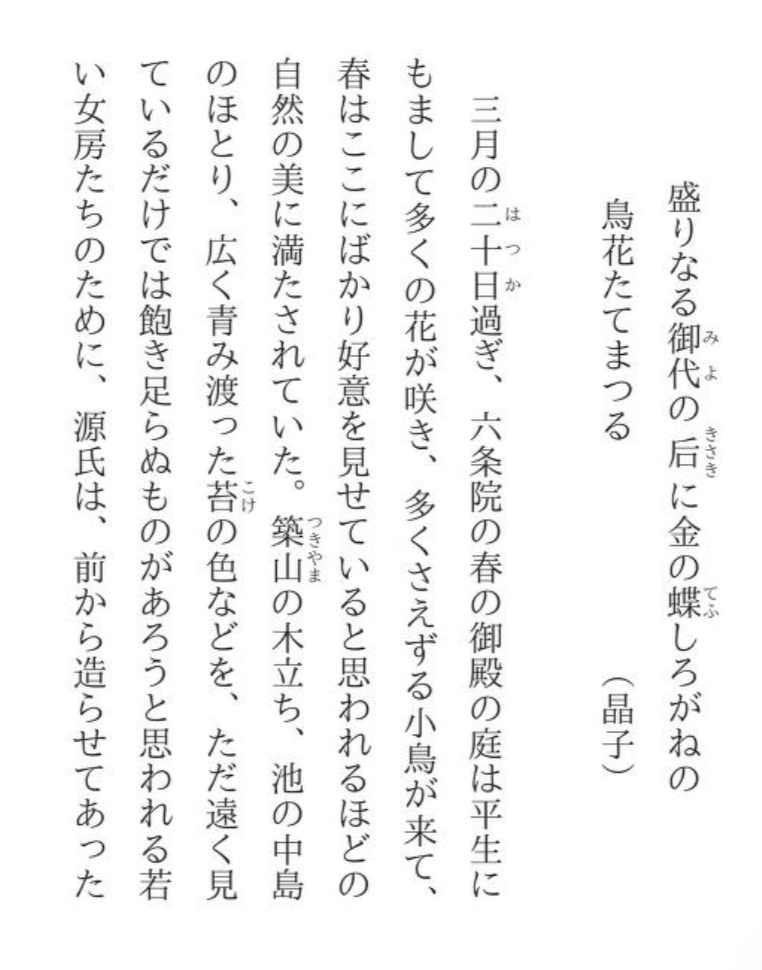
Japanese manhua → French translation

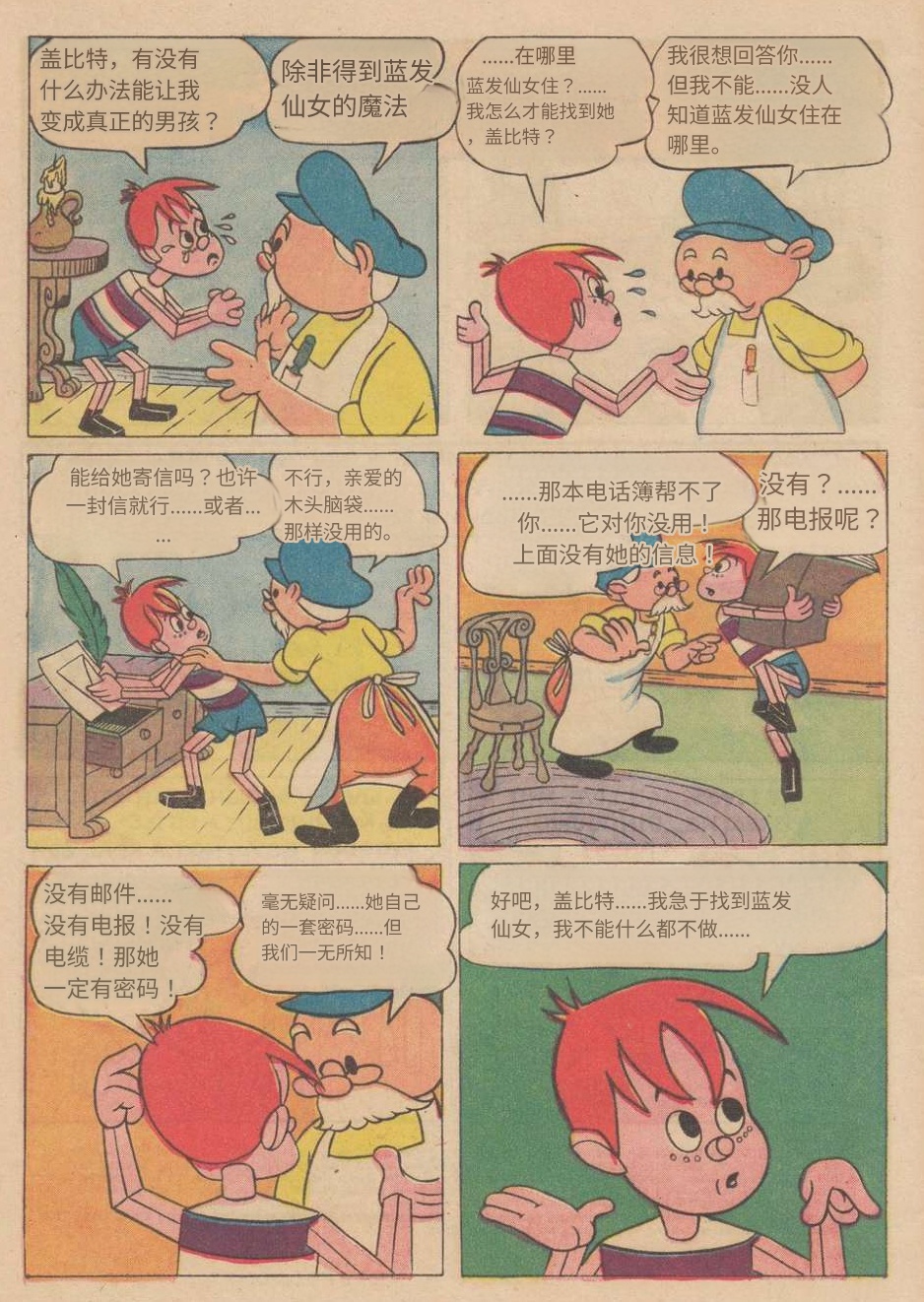
Chinese manhua → French translation
About Chinese Script & OCR
Translation Challenges: Chinese → French
Chinese Measure Words That French Simply Doesn't Have
Chinese uses measure words (量词 liangci) before every noun -- '一本书' (yi ben shu) literally means 'one [flat-object-classifier] book', '三匹马' (san pi ma) means 'three [horse-classifier] horse'. These measure words categorize objects by shape, function, or type in ways that have no French equivalent. French has articles (un, une, le, la) and sometimes partitive articles, but nothing that classifies nouns by their physical properties. The tool strips out the Chinese measure words and restructures the French to sound natural -- 'un livre', 'trois chevaux' -- without losing any meaning.
Four-Character Idioms (Chengyu) That Resist Direct Translation
Chengyu (成语) are fixed four-character phrases rooted in classical Chinese literature, history, and mythology. They're everywhere in manhua dialogue. '卧薪尝胆' (wo xin chang dan, literally 'lying on brushwood and tasting gall') means to endure hardship for future revenge. '画蛇添足' (hua she tian zu, 'drawing a snake and adding feet') means to ruin something by overdoing it. You can't translate these literally into French and have them make sense. The tool recognizes common chengyu and provides equivalent French expressions or concise explanatory translations that preserve the intended meaning.
French Gendered Nouns for Chinese Genderless Concepts
Chinese nouns have no grammatical gender -- '猫' (mao, cat) is just 'cat', whether it's male or female. French requires a gender choice for every noun: 'le chat' (masculine) or 'la chatte' (feminine). More critically, abstract concepts that are genderless in Chinese must be assigned gender in French: '力量' (liliang, power/strength) becomes 'la force' (feminine) or 'le pouvoir' (masculine) depending on context. The tool uses contextual analysis to assign the correct French grammatical gender, maintaining consistency throughout a chapter.
Manhua Panel Reading Direction and French Layout Expectations
Chinese manhua is read left-to-right, top-to-bottom -- the same direction as French. This is an advantage compared to Japanese manga (which reads right-to-left). However, Chinese manhua artists sometimes use unconventional panel layouts, splash pages with text scattered across the image, or vertical text columns in classical-style scenes. French readers expect clean, sequential text flow. The tool preserves the original reading order and makes sure the French translation follows a logical sequence through each page.
Common Chinese to French Manhua Phrases
| Original | Romanization | Meaning | French |
|---|---|---|---|
| 哈哈 | haha | Hahaha (laughter) | Hahaha |
| 师父 | shifu | Master / Teacher (martial arts) | Maitre |
| 找死! | zhao si! | You're seeking death! (taunt/threat) | Tu cherches la mort ! |
| 不可能! | bu keneng! | Impossible! | Impossible ! |
| 前辈 | qianbei | Senior / Elder (respectful address) | Aine / Maitre |
| 小心! | xiaoxin! | Be careful! / Watch out! | Attention ! |
| 公子 | gongzi | Young lord / Nobleman's son | Jeune seigneur / Monseigneur |
| 废物 | feiwu | Trash / Waste (insult for a weak person) | Dechet ! / Bon a rien ! |
Chinese to French Manhua Translation Tips
- 1
Recognize Chengyu for Better Comprehension
When you see a French phrase in the translation that seems oddly specific or proverbial, the original Chinese probably contained a chengyu (four-character idiom). The tool translates the meaning rather than the literal words, so 'il a ajoute des pattes au serpent' (he added feet to the snake) would actually be rendered as something like 'il en a trop fait' (he overdid it). Understanding that chengyu are being adapted helps you appreciate the translation choices.
- 2
Pay Attention to Cultivation Vocabulary Consistency
If you're reading xianxia manhua, check that cultivation terms are translated consistently across chapters. Terms like '气' (qi), '内力' (neili, internal force), and '真气' (zhenqi, true qi) should each have a stable French equivalent throughout the series. If they seem to shift, it might indicate a contextual ambiguity, but usually consistency is maintained.
- 3
Verify Gender Agreement in Character Dialogue
Since Chinese is genderless and French is heavily gendered, check that adjectives and participles agree with the speaker's gender. If a female character says 'je suis fatigue' (masculine form of tired) instead of 'je suis fatiguee' (feminine form), that's a gender agreement issue. The tool handles this well for established characters but may need context to build up in early chapters.
- 4
Use the Left-to-Right Advantage
Unlike Japanese manga, Chinese manhua reads in the same direction as French -- left to right, top to bottom. This means you don't need to mentally flip the reading order. The translation should flow exactly as you'd expect when reading any French comic. If the dialogue sequence seems jumbled, it's likely a panel-detection issue rather than a direction problem.
Chinese to French Translation FAQ
How does the tool handle Chinese four-character idioms (chengyu)?▾
The tool has a database of common chengyu and their contextual meanings. Rather than translating the four characters literally (which would be nonsensical in French), it identifies the idiom and provides either an equivalent French expression or a concise translation that captures the intended meaning. For very obscure chengyu, it falls back to contextual interpretation.
Can it distinguish between Traditional and Simplified Chinese?▾
The OCR engine detects whether the manhua uses Traditional characters (common in Taiwanese and Hong Kong manhua) or Simplified characters (mainland Chinese). It applies the matching recognition model, which matters because the same word can look entirely different between the two systems.
Will the French translation use proper French punctuation?▾
The tool applies standard French punctuation rules, including spaces before colons, semicolons, exclamation marks, and question marks, as well as using guillemets for quotation marks where appropriate. This makes the French output feel authentically formatted rather than using English-style punctuation.
How does it handle Chinese words that have no French equivalent?▾
For culturally specific terms -- especially in cultivation manhua -- the tool either provides a descriptive French translation ('l'energie vitale' for '气'), keeps widely recognized terms as-is ('qi', 'yin/yang'), or uses an established French community translation convention where one exists. The priority is readability for French speakers.
Does the tool work with both color and black-and-white manhua?▾
Most modern Chinese manhua is full-color, and the tool is optimized for text detection on busy, detailed backgrounds. It also works with older black-and-white manhua images or grayscale pages you have permission to work with. The OCR adapts to different contrast levels and background complexities automatically.
More Chinese Translation Tools
Chinese to English Manhua Translator
Translate Chinese manhua to English. Handles hanzi OCR, chengyu idioms, cultivation terminology, and Simplified/Traditional character detection. Use images you have permission to work with.
Chinese to Spanish Manhua Translator
Translate Chinese manhua to Spanish with hanzi OCR. Handles xianxia cultivation terms, historical honorifics, and Traditional/Simplified Chinese. Use images you have permission to work with.
Japanese to French Manga Translator
Translate Japanese manga to French with image translation. Handles vertical text, onomatopoeia, and tu/vous honorific mapping for French readers. Use images you have permission to work with.
Alchemy Manhua Translation Guide: Mastering the Elixirs & Cultivation
Unravel the complexities of Alchemy manhua translation with our comprehensive guide. Explore unique challenges, essential terms, and practical tips for
Martial Arts Wuxia Manhua Translation Guide
Unravel the secrets of translating Wuxia manhua with this comprehensive guide, covering unique challenges, essential Chinese martial arts terms, and
Reincarnation Revenge Manhua Translation Guide
Unravel the complexities of Reincarnation Revenge manhua translation. This guide covers unique challenges, essential Chinese terms, and practical tips for
Chinese Manhua Action Sound Effects (SFX) Glossary
Explore 28 essential Chinese action sound effects (SFX) commonly found in manhua. This glossary helps readers and translators understand common battle
Chinese Manhua Alchemy Terms Glossary
Explore 30 essential Chinese alchemy terms from cultivation manhua, covering pill refining, ingredients, and formations. Master the vocabulary crucial for
Ready to translate a manhua image you can use?
Upload only images you own, made, licensed, or have permission to work with, then review the Chinese → French output.
Translate an image you can useDisclaimer: Novel Translator does not store or archive images uploaded for translation. Images are handled in real time and discarded after the job finishes. Please upload only images you own, made, licensed, or have permission to upload, process, translate, and use. We do not provide images, illustrations, comics, scans, downloads, or other source material. Use of this service constitutes acceptance of our Terms of Service.