
Japanese to Chinese Manga Translator | 日语漫画翻译为中文
日语漫画的生肉资源非常多,但不少作品要么压根没有中文版,要么中文翻译远远跟不上日文连载进度。日语和中文虽然都用汉字,看起来好像翻译不难,但其实两种语言对汉字的用法差别很大——同一个字在日语和中文里意思可能完全不一样,加上日语是主宾谓(SOV)语序、中文是主谓宾(SVO)语序,句子结构正好反过来。再算上敬语体系、花样繁多的拟声拟态词和日本独有的文化梗,翻译绝不只是字面转换这么简单。 Only use this with images you own, made, licensed, or have permission to work with.
Translate an image you can useSee It in Action
Compare a source image you can use with its translated result
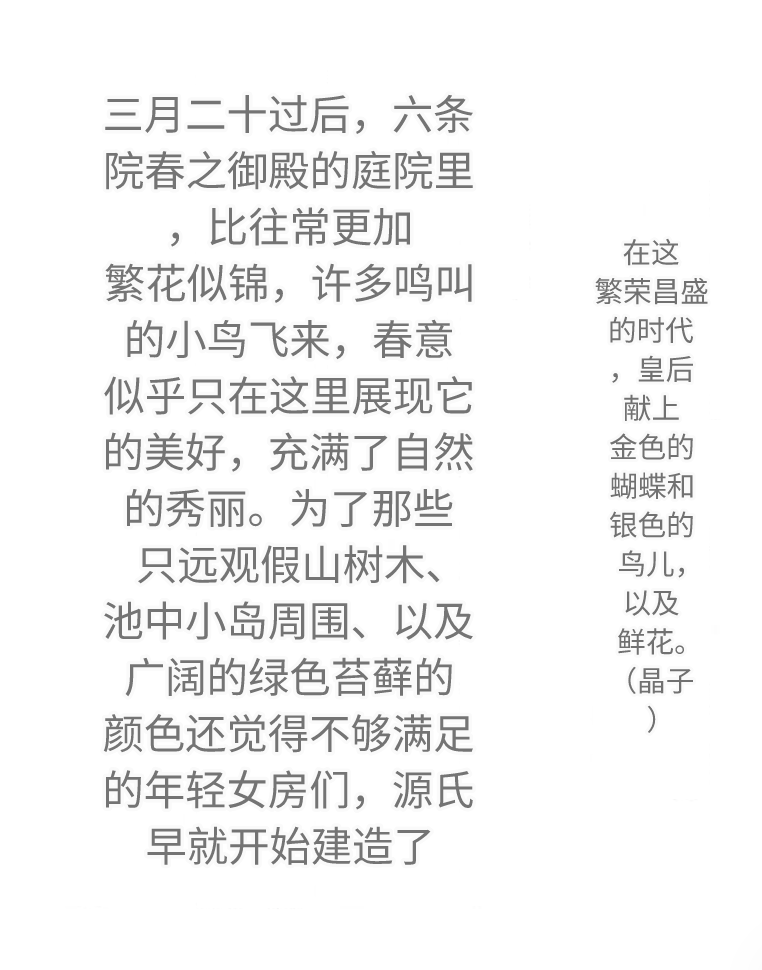
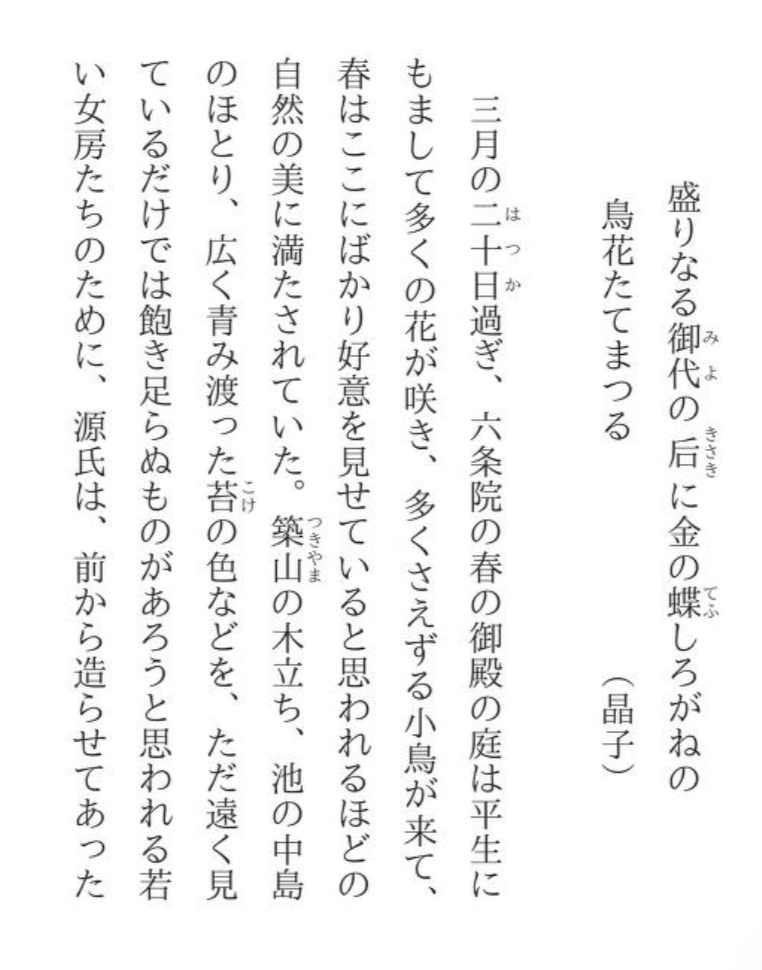
Japanese manga → Chinese translation
About Japanese Script & OCR
Translation Challenges: Japanese → Chinese
敬语和社交语境
日语有一套很复杂的敬语体系,包括 -さん、-くん、-ちゃん、-さま 等称谓后缀,还有敬语、谦语等不同语体。这些用法反映了角色之间的身份关系和亲疏远近,但中文里往往没有直接对应的说法。工具会结合上下文来理解,给出自然顺畅的中文表达,而不是生搬硬套。
拟声拟态词
日语漫画里大量使用拟声词和拟态词来表现动作、情感和状态,比如ドキドキ(心跳加速)、キラキラ(闪闪发光)。逐字硬翻成中文的话,原本的画面感和感染力很容易打折扣。工具会挑选最贴切的中文音效词或描述来还原原文的效果。
惯用语和文化梗
日语漫画里到处是日本特有的惯用语、谚语和流行文化梗,中文读者不一定能直接看懂。翻译引擎会分析语境,找合适的中文对应说法,或者给出通俗易懂的意译。
语序和语法差异
日语是主宾谓(SOV)语序,中文是主谓宾(SVO)语序。这个根本差异意味着翻译时得把整句话重新组织一遍,不能简单地调换词语顺序了事。
常见Manga短语:Japanese到Chinese
| Original | Romanization | Meaning | Chinese |
|---|---|---|---|
| お邪魔します | Ojama shimasu | 进入别人家或空间时的礼貌用语 | 打扰了 |
| やばい | Yabai | 糟糕!/ 好厉害!/ 危险!(多义词,视语境而定) | 糟了!/ 糟糕!/ 厉害! |
| まさか | Masaka | 不会吧!/ 怎么可能! | 不会吧! |
| ドン | Don | 重击或撞击音效,常用于渲染戏剧性场面 | 咚 |
| わくわく | Wakuwaku | 兴奋、期待得发抖 | 激动 |
| うそ! | Uso! | 不可能!/ 你骗人! | 骗人! |
| 仕方ない | Shikata nai | 没办法,无可奈何 | 没办法 |
Japanese到Chinese Manga翻译技巧
- 1
看不懂就看图
如果译文读起来有点怪,不妨看看前后几格的画面。漫画本身就靠画面讲故事,视觉线索往往能帮你理解多义的日语表达——比如「やばい」和「大丈夫」在不同场景下意思差很远。
- 2
留意角色怎么说话
日语里不同角色的说话风格差别很大:粗犷的男性用语、柔和的女性用语、地方方言等等。翻译成中文时不一定能还原每个细节,但工具会尽量匹配整体语气。了解这些说话习惯,有助于你更好地理解角色的性格。
- 3
别忽略音效词
日语漫画里的音效词(比如ゴゴゴゴ是低沉的隆隆声、キーン是尖锐的鸣响)本身就是叙事的一部分。就算中文译文已经很清楚了,回头瞄一眼原版的音效词,也能让你对画面氛围有更深的感受。
Japanese到Chinese翻译常见问题
竖排的日语文本能准确翻译吗?▾
没问题。OCR技术能正确识别竖排日语,这在漫画气泡和旁白框里很常见。传统竖排版式的漫画都能正常处理。
碰到中文里没有的日本文化说法怎么办?▾
遇到日本特有的文化用语或惯用表达,系统会找最自然的中文对应说法。直译不通的就给出简洁的解释或意译,保证核心意思不丢。
翻译后的中文放得进原来的气泡框吗?▾
工具的核心功能是文字识别和翻译。翻译会尽量做到简洁自然,但两种语言的句子长度毕竟有差异,回填到原始气泡框时偶尔可能溢出。工具会优先保证可读性。
手写的日语也能翻译吗?▾
手写日语对任何OCR系统来说都更有难度。大多数手写字体识别效果还不错,但特别花哨或潦草的手写内容可能会影响准确率。字迹越清晰,翻译效果越好。
音效词也会翻译吗?▾
会。工具能识别常见的日语拟声词和音效词,转成对应的中文音效表达或描述性短语。
更多Japanese翻译工具
Japanese to English Manga Translator
Translate Japanese manga to English from images. Handles kanji, hiragana, katakana OCR, honorifics, onomatopoeia, and right-to-left panel layouts. Use images you have permission to work with.
Japanese to French Manga Translator
Translate Japanese manga to French with image translation. Handles vertical text, onomatopoeia, and tu/vous honorific mapping for French readers. Use images you have permission to work with.
Japanese to Portuguese Manga Translator
Translate Japanese manga to Portuguese with image translation. Handles SOV-to-SVO restructuring, gendered nouns, and onomatopoeia adaptation. Use images you have permission to work with.
Comedy Gag Manga Translation Guide
Master the art of translating Comedy Gag manga with this in-depth guide. Learn about unique challenges, essential Japanese terms, and practical tips for
Fantasy Adventure Manga Translation Guide
Explore the unique challenges and essential terminology of translating Fantasy Adventure manga. This guide covers common tropes, vocabulary, and practical
Historical Manga Translation Guide: Navigating Feudal Japan and Beyond
Dive into the unique challenges of translating historical manga. Learn essential Japanese terms, cultural nuances, and common tropes to accurately convey
Japanese Manga Comedy Sound Effects (SFX) Glossary
Explore 28 essential Japanese comedy sound effects (SFX) used in manga. This glossary helps readers and translators understand the nuances of comedic
Japanese Manga Daily Life Sound Effects (SFX) Glossary
Explore 28 essential Japanese daily life sound effects (SFX) from manga. This glossary helps readers and translators understand common sounds like eating,
Ready to translate a manga image you can use?
Upload only images you own, made, licensed, or have permission to work with, then review the Japanese → Chinese output.
Translate an image you can useDisclaimer: Novel Translator does not store or archive images uploaded for translation. Images are handled in real time and discarded after the job finishes. Please upload only images you own, made, licensed, or have permission to upload, process, translate, and use. We do not provide images, illustrations, comics, scans, downloads, or other source material. Use of this service constitutes acceptance of our Terms of Service.