
Chinese to English Manhua Translator
For Chinese manhua images you have permission to work with, English translation needs careful handling of logographic text, idioms, names, and genre vocabulary. Translating Chinese manhua to English means working with a logographic writing system where a single character can carry an entire word's worth of meaning, navigating four-character idioms (chengyu) that are incomprehensible when translated literally, and handling genre-specific vocabulary for cultivation ranks, martial techniques, and spiritual concepts that have no established English equivalents. The tool processes manhua images, recognizes Chinese characters, and produces English translations.
Translate an image you can useSee It in Action
Compare a source image you can use with its translated result
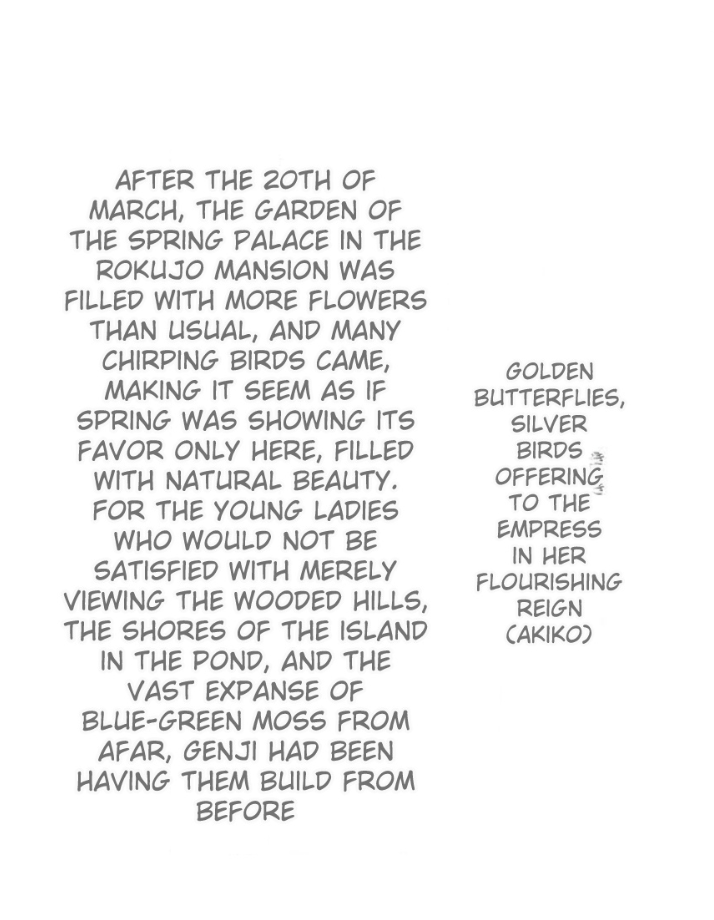
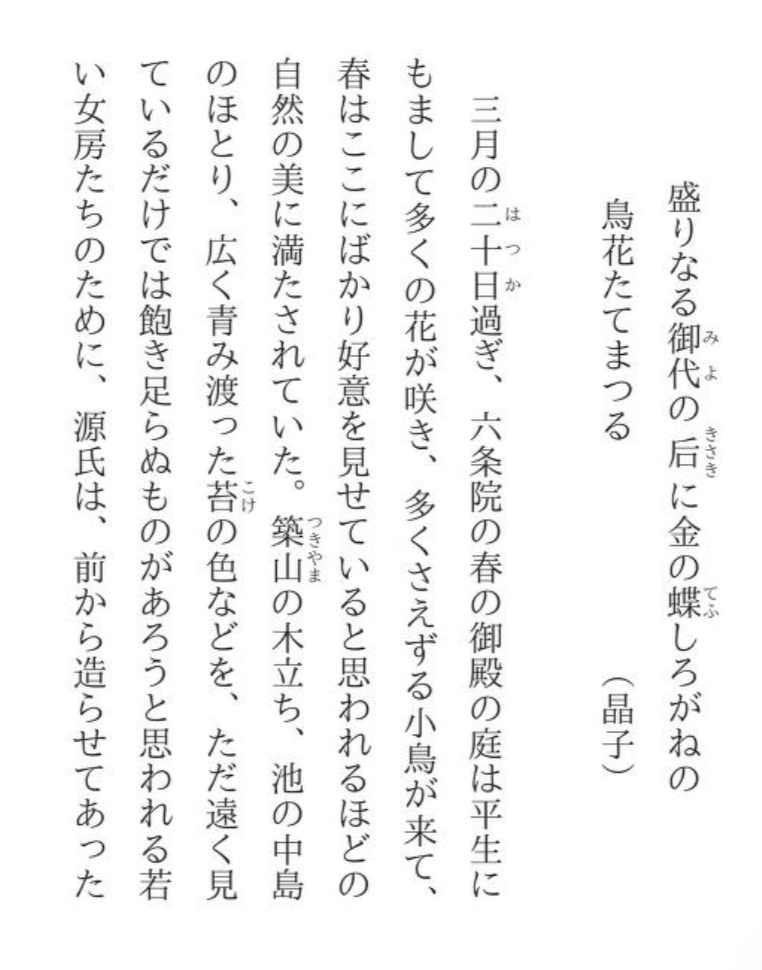
Japanese manhua → English translation
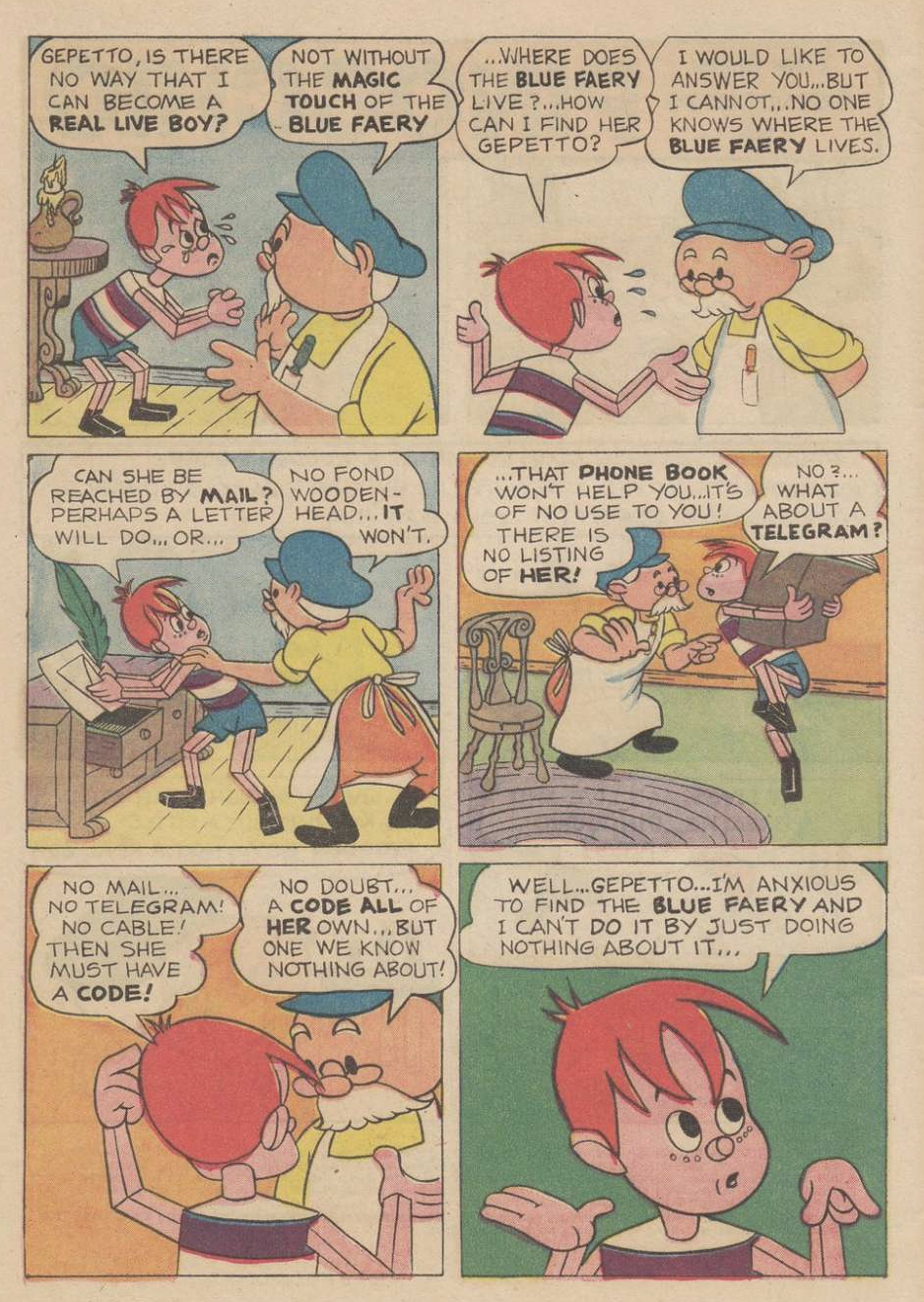
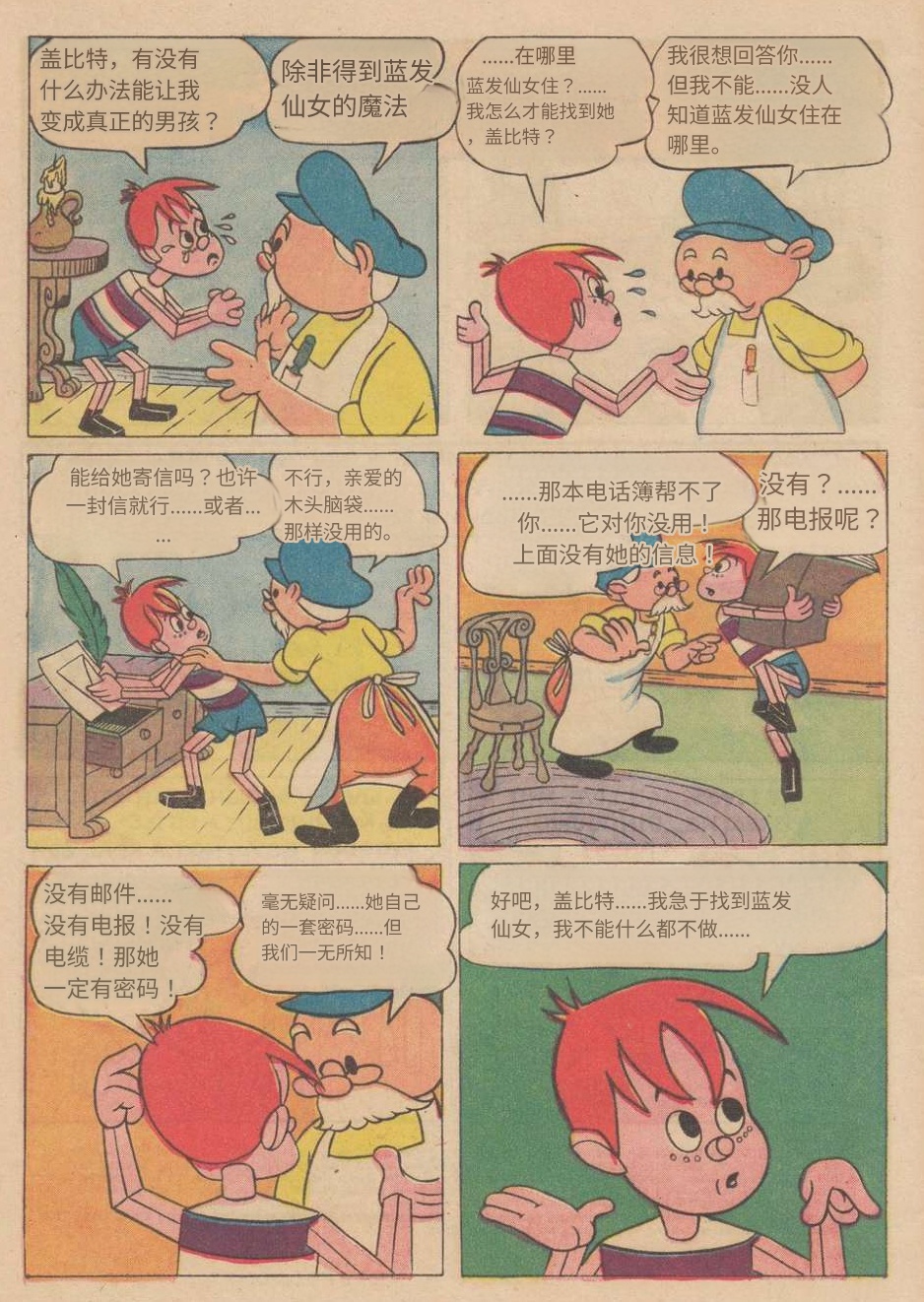
Chinese manhua → English translation
About Chinese Script & OCR
Translation Challenges: Chinese → English
Logographic Characters and Word Boundary Detection
Chinese text has no spaces between words. The string '我今天很开心' contains five words but looks like one continuous block of characters. The OCR engine must first recognize individual hanzi, then determine where word boundaries fall based on context before translation can begin. Misplacing a boundary changes the meaning entirely — '大人' as one word means 'adult,' but '大' and '人' separately mean 'big' and 'person.'
Four-Character Idioms (Chengyu)
Chengyu are fixed four-character phrases rooted in classical Chinese literature. They appear constantly in manhua dialogue. '卧薪尝胆' (wo xin chang dan, literally 'lying on brushwood and tasting gall') means enduring hardship for future revenge. '画蛇添足' (hua she tian zu, 'drawing a snake and adding feet') means ruining something by overdoing it. Translating these literally produces nonsense in English. The tool identifies common chengyu and provides meaning-based English translations.
Cultivation and Martial Arts Terminology
Xianxia and wuxia manhua use a dense vocabulary of cultivation concepts: '气' (qi, life energy), '丹田' (dantian, energy center), '筑基' (zhuji, foundation building stage), '金丹' (jindan, golden core). These terms appear in almost every panel of cultivation manhua. Some have established English community translations; others are rendered differently by every translator. The tool maintains consistent terminology within a series.
Simplified vs. Traditional Character Detection
Chinese text comes in two character sets: Simplified (简体, used in mainland China) and Traditional (繁體, used in Taiwan and Hong Kong). The same word can look completely different between the two — '书' (Simplified) vs '書' (Traditional) both mean 'book.' The OCR must detect which character set the manhua uses and apply the correct recognition model. Misidentifying the set causes cascading errors.
Common Chinese to English Manhua Phrases
| Original | Romanization | Meaning | English |
|---|---|---|---|
| 找死! | Zhao si! | You're seeking death! (common threat/taunt) | You have a death wish! |
| 不可能! | Bu keneng! | Impossible! | Impossible! |
| 师父 | Shifu | Master / Teacher (martial arts context) | Master |
| 废物 | Feiwu | Trash / Useless (insult for a weak person) | You're worthless! / Trash! |
| 前辈 | Qianbei | Senior / Elder (respectful address) | Senior / Elder |
| 突破了! | Tupo le! | Breakthrough! (cultivation advancement) | A breakthrough! |
| 小心! | Xiaoxin! | Be careful! / Watch out! | Watch out! |
| 哈哈哈 | Hahaha | Laughter | Hahaha |
Chinese to English Manhua Translation Tips
- 1
Learn Basic Cultivation Terms
If you're reading xianxia or wuxia manhua, knowing core cultivation terms saves a lot of confusion. Qi (energy), dantian (energy center), breakthrough (level advancement), golden core (mid-stage achievement) — these appear in nearly every chapter. Once you recognize the pattern, translated terms make much more sense.
- 2
Chengyu Are Paraphrased, Not Translated Literally
When you see a translated phrase that sounds like a proverb or life lesson, the original Chinese probably contained a chengyu. The tool renders the meaning rather than the literal characters. If you're curious about the original idiom, the four-character structure is distinctive enough to look up.
- 3
Left-to-Right Reading Works Naturally
Unlike Japanese manga, Chinese manhua reads left-to-right, same as English. This means the translated panels flow in the direction English readers already expect. No need to adjust your reading pattern.
- 4
Color Backgrounds Can Affect SFX Detection
Chinese manhua is typically full-color, which means text sometimes appears over complex illustrated backgrounds. If SFX or dialogue seems to be missing from a panel, the text may have blended into the background art. The OCR handles most cases but very low-contrast text over busy art can be harder to detect.
Chinese to English Translation FAQ
Can it tell the difference between Simplified and Traditional Chinese?▾
The OCR automatically detects whether the manhua uses Simplified characters (mainland Chinese publications) or Traditional characters (Taiwanese and Hong Kong publications) and applies the matching recognition model. This detection happens per-image, so it handles mixed sources correctly.
How does it handle cultivation-specific terms?▾
The translator maintains a vocabulary of common cultivation, wuxia, and xianxia terms and renders them consistently. '气' is translated as 'qi' (widely recognized), '筑基' as 'Foundation Establishment,' '金丹' as 'Golden Core.' Terms are kept consistent within a translation session.
Will four-character idioms (chengyu) make sense in English?▾
Chengyu are translated by meaning, not by individual characters. '卧薪尝胆' becomes something like 'enduring hardship for future revenge' rather than 'lying on brushwood tasting gall.' The English captures the intended meaning even though the poetic form of the original is lost.
Does it work with both web manhua and scanned print manhua?▾
The tool handles both digital web manhua (typically clean, high-resolution color images) and scanned print manhua (which may have lower resolution or scanning artifacts). Web manhua generally produces better OCR results due to cleaner text rendering.
How accurate is it for dialogue-heavy manhua vs. action-heavy manhua?▾
Dialogue-heavy panels with clearly rendered text in speech bubbles are translated most accurately. Action-heavy panels where SFX merge with the art and text appears at odd angles are harder for OCR. Standard dialogue is reliably translated; embedded SFX accuracy varies by visual complexity.
More Chinese Translation Tools
Japanese to English Manga Translator
Translate Japanese manga to English from images. Handles kanji, hiragana, katakana OCR, honorifics, onomatopoeia, and right-to-left panel layouts. Use images you have permission to work with.
Korean to English Manhwa Translator
Translate Korean manhwa and webtoons to English. Handles Hangul OCR, honorific systems, Korean SFX, and vertical scroll webtoon formats. Use images you have permission to work with.
Chinese to Spanish Manhua Translator
Translate Chinese manhua to Spanish with hanzi OCR. Handles xianxia cultivation terms, historical honorifics, and Traditional/Simplified Chinese. Use images you have permission to work with.
Alchemy Manhua Translation Guide: Mastering the Elixirs & Cultivation
Unravel the complexities of Alchemy manhua translation with our comprehensive guide. Explore unique challenges, essential terms, and practical tips for
Martial Arts Wuxia Manhua Translation Guide
Unravel the secrets of translating Wuxia manhua with this comprehensive guide, covering unique challenges, essential Chinese martial arts terms, and
Reincarnation Revenge Manhua Translation Guide
Unravel the complexities of Reincarnation Revenge manhua translation. This guide covers unique challenges, essential Chinese terms, and practical tips for
Chinese Manhua Action Sound Effects (SFX) Glossary
Explore 28 essential Chinese action sound effects (SFX) commonly found in manhua. This glossary helps readers and translators understand common battle
Chinese Manhua Alchemy Terms Glossary
Explore 30 essential Chinese alchemy terms from cultivation manhua, covering pill refining, ingredients, and formations. Master the vocabulary crucial for
Ready to translate a manhua image you can use?
Upload only images you own, made, licensed, or have permission to work with, then review the Chinese → English output.
Translate an image you can useDisclaimer: Novel Translator does not store or archive images uploaded for translation. Images are handled in real time and discarded after the job finishes. Please upload only images you own, made, licensed, or have permission to upload, process, translate, and use. We do not provide images, illustrations, comics, scans, downloads, or other source material. Use of this service constitutes acceptance of our Terms of Service.