
Chinese to Turkish Manhua Translator
The Turkish manhua community is newer but growing fast. Cultivation and system manhua have found a passionate audience in Turkey, but quality Chinese-to-Turkish translations are still rare. This is one of the trickier language pairs out there. Turkish is agglutinative -- it builds long words by stacking suffixes onto roots -- which means a single Chinese character can balloon into a multi-syllable Turkish word. Add in vowel harmony rules, a completely different script, and the fact that Turkish manhua terminology is still being established by the community, and you've got a real translation challenge. Here's what makes it unique. Only use this with images you own, made, licensed, or have permission to work with.
Translate an image you can useSee It in Action
Compare a source image you can use with its translated result

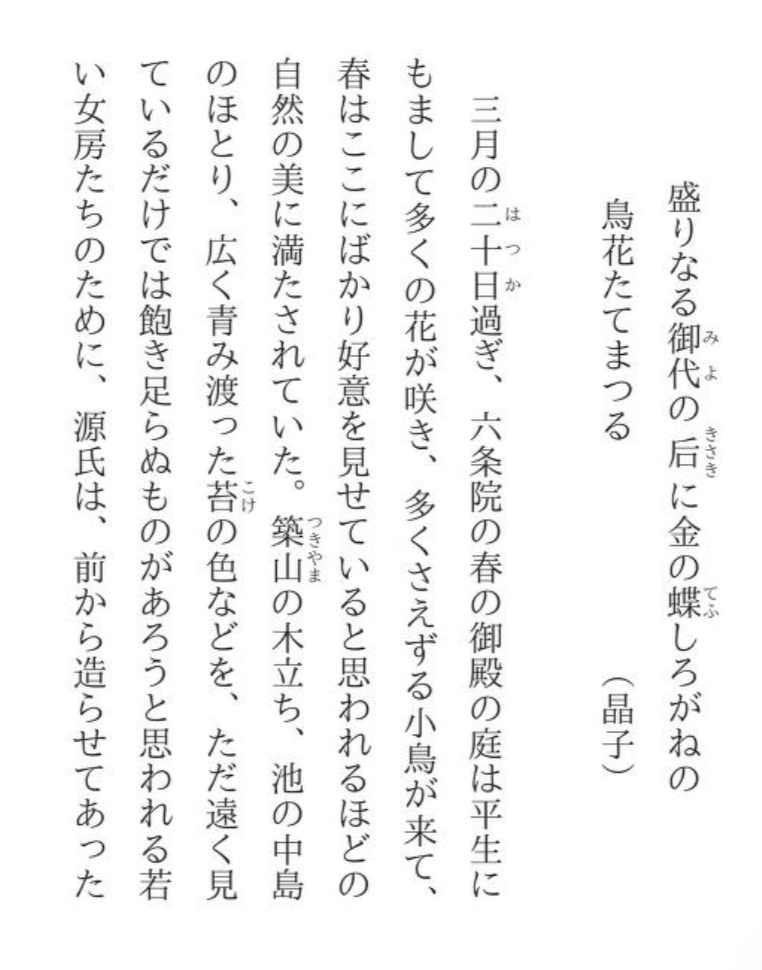
Japanese manhua → Turkish translation

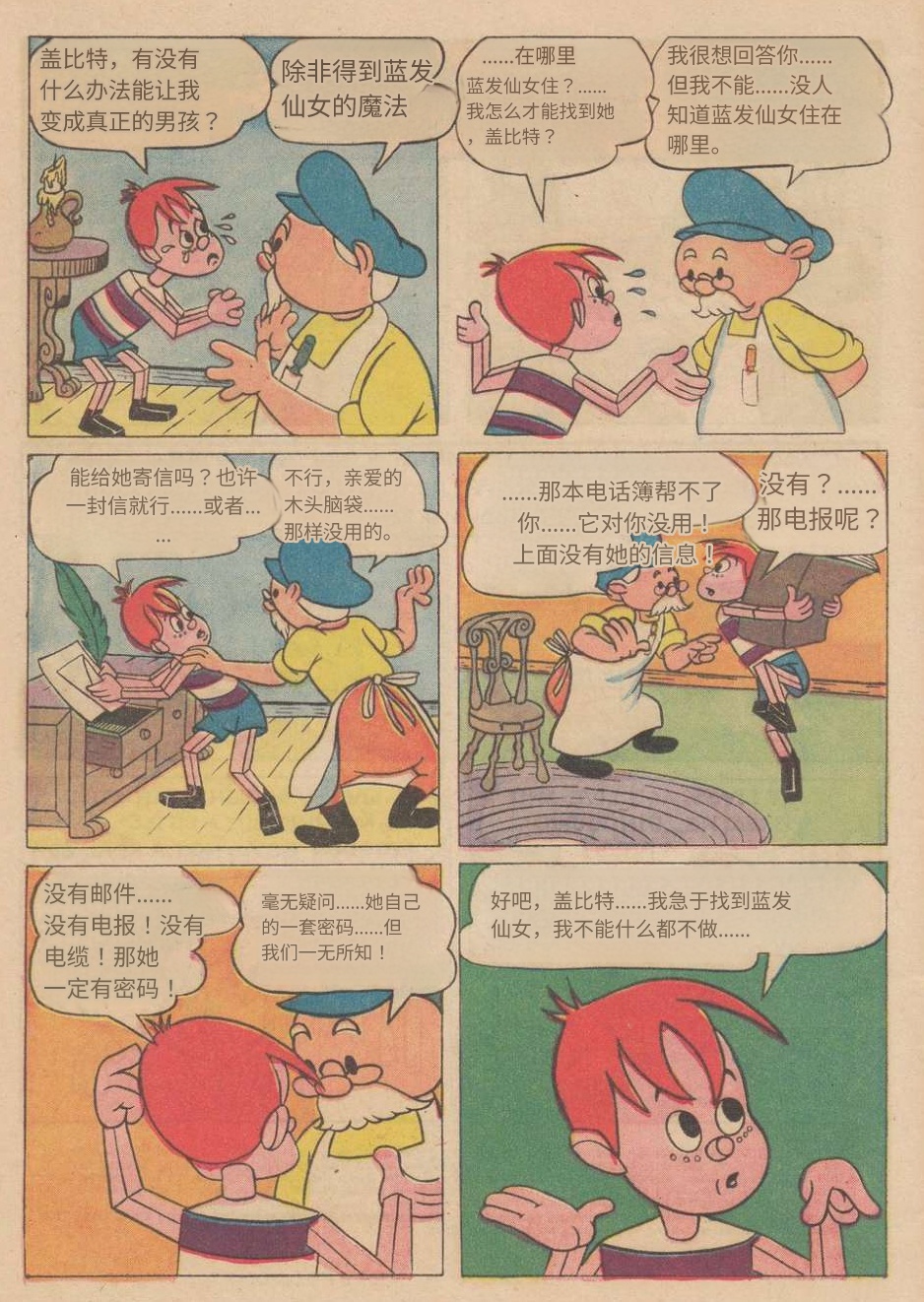
Chinese manhua → Turkish translation
About Chinese Script & OCR
Translation Challenges: Chinese → Turkish
Turkish Agglutination Creates Very Long Words from Short Chinese
Turkish builds meaning by adding suffixes to word roots. The Chinese two-character phrase 你的 (nǐde, 'your') is just two syllables, but a Turkish equivalent in context might be part of an agglutinated form like 'efendinizin' (of your master). A cultivation term like 修炼者 (xiūliànzhě, 'cultivator') could become 'ruhani guc geliştiricisi' -- dramatically longer. Fitting these expanded Turkish words into speech bubbles designed for compact hanzi is a major layout challenge. The tool manages text sizing and wrapping to handle this expansion.
Turkish Vowel Harmony Affecting Chinese Loanwords
Turkish has strict vowel harmony rules -- suffixes must match the vowel pattern of the root word. When Chinese cultivation terms get borrowed into Turkish, they need to follow these rules or they'll sound wrong to Turkish ears. A term like 'Qi' (气) with Turkish suffixes needs to become 'Qi'nin' (of Qi) following back-vowel harmony. The tool applies correct Turkish vowel harmony when integrating Chinese-origin terms into Turkish sentences.
Newer Community Means Less Established Terminology
Unlike Japanese manga terminology in Turkish (which has had decades to solidify), Chinese manhua terms in Turkish are still in flux. Different Turkish manhua translators render 修炼 differently -- some use 'kultive etmek', others 'ruhani guc gelistirmek', others just keep 'cultivation'. There's no strong consensus yet. The tool uses the most commonly adopted terms across major Turkish manhua communities, but you may want to check which conventions your specific audience prefers.
Chinese SFX Rendering in Turkish
Chinese sound effects are monosyllabic and tonal: 砰 (pēng), 嗖 (sōu), 啪 (pā). Turkish onomatopoeia follows completely different phonetic patterns: 'GUM' for a thud, 'VIZZZ' for a whoosh, 'SAK' for a snap. The tonal quality of Chinese SFX is meaningless in Turkish, so direct romanization produces nonsense. The tool maps Chinese SFX to Turkish equivalents that carry the right impact -- sounds that Turkish readers instinctively associate with the right action.
Common Chinese to Turkish Manhua Phrases
| Original | Romanization | Meaning | Turkish |
|---|---|---|---|
| 修炼 | Xiūliàn | Cultivation / spiritual training | Kultivasyon / Ruhani antrenman |
| 师父 | Shīfu | Master / Sifu (martial arts teacher) | Usta / Efendi |
| 功夫 | Gōngfu | Kung fu / martial arts skill | Kung fu / Dovus sanati |
| 砰 | Pēng | Bang (impact sound effect) | GUM / BAM |
| 宿主 | Sùzhǔ | Host (system/isekai term) | Ev sahibi / Tasiyici |
| 境界 | Jìngjiè | Realm / cultivation level | Alem / Seviye |
| 咔嚓 | Kāchā | Crack / snap (breaking sound) | CATAK / KRAK |
| 丹药 | Dānyào | Medicinal pill (cultivation alchemy) | Iksir hapi / Simya hapi |
Chinese to Turkish Manhua Translation Tips
- 1
Check Turkish Manhua Communities for Preferred Terms
Since Turkish cultivation terminology is still being established, spend some time in Turkish manhua forums and translation community discussions before settling on your translation choices. If a popular group has been translating 境界 as 'alem' for years, don't introduce 'seviye' and confuse their readers. Go with the community flow when possible.
- 2
Use Turkish Agglutination for Compact Phrasing
Turkish's suffix system can actually help you save space in some cases. Instead of a multi-word phrase, you can sometimes pack meaning into a single agglutinated word. 'Ustasinin gucu' (his master's power) can sometimes be restructured or abbreviated in ways that Chinese's compactness naturally demands. Learn to think in suffixes -- it's your best tool for bubble fitting.
- 3
Apply Vowel Harmony Consistently to Borrowed Terms
If you're keeping Chinese terms like 'Qi' or 'Dantian' in Turkish, make sure any Turkish suffixes you attach follow proper vowel harmony. 'Qi'yi' (accusative of Qi) follows front-vowel harmony; getting this wrong sticks out immediately to Turkish readers. Consistency in how you turkify Chinese loanwords builds reader trust.
- 4
Preview Every Page for Text Overflow
This cannot be stressed enough for Chinese-to-Turkish: always preview. Turkish text will be substantially longer than the Chinese original in almost every single bubble. The tool handles most cases, but complex agglutinated sentences in tight bubbles will sometimes need manual rephrasing. Catching these before publishing saves you text cutoffs.
Chinese to Turkish Translation FAQ
How does the tool handle Turkish vowel harmony for Chinese terms?▾
The translation engine applies Turkish vowel harmony rules when adding suffixes to Chinese-origin terms or loanwords. It recognizes whether a borrowed term follows front-vowel or back-vowel patterns and applies suffixes accordingly. This is automatic for common terms, though very unusual or newly coined terms may occasionally need manual verification.
Will the long Turkish words fit in manhua speech bubbles?▾
This is the hardest part of Chinese-to-Turkish manhua translation. The tool optimizes text sizing and wrapping aggressively, and it handles most standard dialogue bubbles well. But Turkish agglutination means some words are simply very long, and tight bubbles may need rephrasing. It's much better than manual typesetting, but expect some tweaking.
Is Turkish cultivation terminology standardized yet?▾
Not fully. The Turkish manhua community is relatively new compared to the Turkish manga community. Different translation communities use different terms for the same concepts. The tool uses the most commonly adopted translations, but verify that the terms match what your specific audience expects. Community conventions are evolving quickly.
Does it support both Simplified and Traditional Chinese?▾
Both are fully supported. Most manhua you'll encounter uses Simplified Chinese since it comes from mainland Chinese platforms. Traditional Chinese from Taiwanese or Hong Kong publications is recognized with equal accuracy.
How does the tool handle Chinese SFX for Turkish readers?▾
Chinese sound effects are mapped to Turkish onomatopoeia equivalents. For example, 砰 becomes 'GUM' or 'BAM', 嗖 becomes 'VIZZ', and 咔嚓 becomes 'CATAK'. The tool uses sounds that are natural in Turkish rather than romanized Chinese syllables, so action scenes feel impactful to Turkish readers.
More Chinese Translation Tools
Chinese to English Manhua Translator
Translate Chinese manhua to English. Handles hanzi OCR, chengyu idioms, cultivation terminology, and Simplified/Traditional character detection. Use images you have permission to work with.
Chinese to Spanish Manhua Translator
Translate Chinese manhua to Spanish with hanzi OCR. Handles xianxia cultivation terms, historical honorifics, and Traditional/Simplified Chinese. Use images you have permission to work with.
Chinese to French Manhua Translator
Translate Chinese manhua to French with hanzi OCR. Handles four-character idioms, measure words, cultivation terms, and gendered French grammar. Use images you have permission to work with.
Alchemy Manhua Translation Guide: Mastering the Elixirs & Cultivation
Unravel the complexities of Alchemy manhua translation with our comprehensive guide. Explore unique challenges, essential terms, and practical tips for
Martial Arts Wuxia Manhua Translation Guide
Unravel the secrets of translating Wuxia manhua with this comprehensive guide, covering unique challenges, essential Chinese martial arts terms, and
Reincarnation Revenge Manhua Translation Guide
Unravel the complexities of Reincarnation Revenge manhua translation. This guide covers unique challenges, essential Chinese terms, and practical tips for
Chinese Manhua Action Sound Effects (SFX) Glossary
Explore 28 essential Chinese action sound effects (SFX) commonly found in manhua. This glossary helps readers and translators understand common battle
Chinese Manhua Alchemy Terms Glossary
Explore 30 essential Chinese alchemy terms from cultivation manhua, covering pill refining, ingredients, and formations. Master the vocabulary crucial for
Ready to translate a manhua image you can use?
Upload only images you own, made, licensed, or have permission to work with, then review the Chinese → Turkish output.
Translate an image you can useDisclaimer: Novel Translator does not store or archive images uploaded for translation. Images are handled in real time and discarded after the job finishes. Please upload only images you own, made, licensed, or have permission to upload, process, translate, and use. We do not provide images, illustrations, comics, scans, downloads, or other source material. Use of this service constitutes acceptance of our Terms of Service.