
Chinese to Spanish Manhua Translator
Chinese-to-Spanish manhua translation has a lot to solve: historical references, Taoist ideas, cultivation ranks, and compact Chinese phrasing that does not expand neatly into Spanish. Spanish also varies across Latin America and Spain, so tone and vocabulary choices matter. The tool is built to produce Spanish that reads naturally while preserving the meaning of the Chinese text. Only use this with images you own, made, licensed, or have permission to work with.
Translate an image you can useSee It in Action
Compare a source image you can use with its translated result

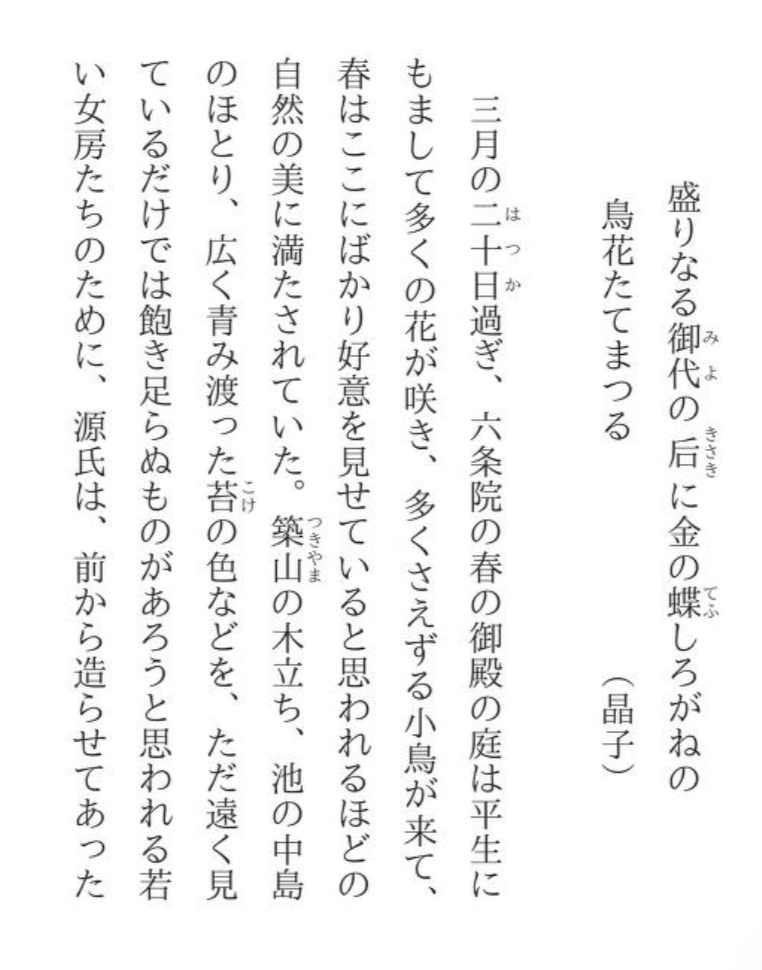
Japanese manhua → Spanish translation

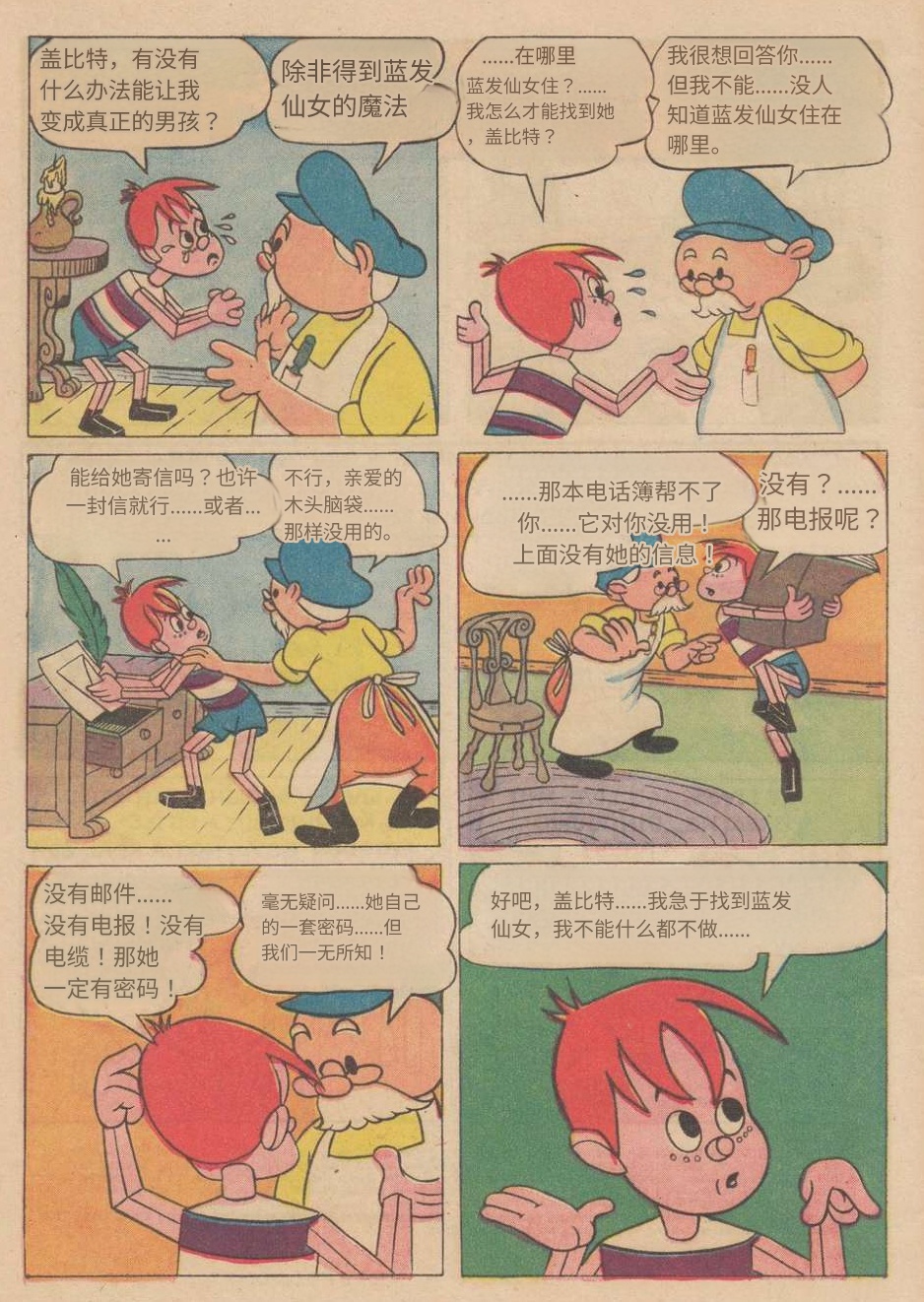
Chinese manhua → Spanish translation
About Chinese Script & OCR
Translation Challenges: Chinese → Spanish
Chinese Tones and Context-Dependent Meaning in Text
Chinese is a tonal language where the same syllable (like 'ma') can mean mother, hemp, horse, or scold depending on the tone. In written manhua, tone marks are rarely shown. The text relies entirely on character context to convey meaning. This means the OCR and translation engine must understand which '是' (shi) is 'is/yes' versus other homophone characters, purely from surrounding context. Spanish, having no tonal system, needs entirely different phrasing strategies to resolve these ambiguities.
Traditional vs. Simplified Chinese OCR Differences
Chinese manhua comes in both Traditional (繁體字, used in Taiwan/Hong Kong manhua) and Simplified (简体字, used in mainland Chinese manhua) character sets. The same word can look dramatically different -- 'dragon' is '龍' in Traditional but '龙' in Simplified. The OCR engine correctly identifies which character set is being used and processes it accordingly. Mixing them up leads to garbled translations. The tool auto-detects the character set per image and applies the correct recognition model.
Xianxia and Wuxia Cultivation Terms Without Spanish Equivalents
The cultivation genre is the backbone of Chinese manhua, and its vocabulary is essentially untranslatable. Terms like '气' (qi, vital energy), '丹田' (dantian, energy center), '金丹' (jindan, golden core), '元婴' (yuanying, nascent soul), and rank progressions like '练气期' to '渡劫期' have no Spanish equivalents. The tool uses a curated cultivation glossary that provides consistent Spanish renderings -- keeping '气' as 'qi' while translating the surrounding context, or rendering '金丹' as 'nucleo dorado' with enough context that Spanish readers can follow the power system.
Chinese Historical Honorifics Mapped to Spanish
Historical manhua (set in ancient China) uses elaborate address systems: '皇上' (huangshang, Your Majesty), '本座' (benzuo, this seat/this lord -- self-referential), '小姐' (xiaojie, young lady of nobility), '公子' (gongzi, young lord/nobleman's son). Spanish has its own formal address traditions (Su Majestad, Senor, Senorita), but the mapping isn't straightforward -- Chinese honorifics encode specific social hierarchies that Spanish formality doesn't have. The tool maps these to the closest Spanish equivalents while preserving the hierarchical relationships between characters.
Common Chinese to Spanish Manhua Phrases
| Original | Romanization | Meaning | Spanish |
|---|---|---|---|
| 哈哈哈 | hahaha | Hahaha (laughter) | Jajaja |
| 前辈 | qianbei | Senior / Elder (respectful address) | Maestro / Senior |
| 找死! | zhao si! | You're looking for death! (threat/taunt) | ¡Buscas la muerte! |
| 突破了! | tupo le! | Breakthrough! (cultivation level up) | ¡He avanzado de nivel! |
| 师父 | shifu | Master / Teacher (martial arts or cultivation) | Maestro |
| 不可能! | bu keneng! | Impossible! | ¡Imposible! |
| 小心! | xiaoxin! | Be careful! / Watch out! | ¡Cuidado! |
| 废物 | feiwu | Trash / Waste (insult for a weak person) | ¡Basura! / ¡Inutil! |
Chinese to Spanish Manhua Translation Tips
- 1
Learn the Cultivation Rank System Before You Read
If you're diving into xianxia or wuxia manhua, spend five minutes learning the basic cultivation stages: 练气 (qi refining) -> 筑基 (foundation building) -> 金丹 (golden core) -> 元婴 (nascent soul) -> 化神 (spirit transformation). The Spanish translations will make much more sense when you understand the progression the characters are constantly talking about.
- 2
Check Whether the Source Is Traditional or Simplified
If the translation seems off, check whether the manhua uses Traditional or Simplified Chinese. Taiwanese and Hong Kong manhua typically use Traditional characters, while mainland Chinese manhua uses Simplified. The tool auto-detects this, but knowing the source helps you evaluate translation quality and catch any character-set confusion.
- 3
Don't Expect One-to-One Character Translations
Chinese is extremely dense -- a single character can carry the meaning of an entire Spanish phrase. '缘' (yuan) simultaneously means fate, predestined connection, and karmic bond. The Spanish translation might use different words for '缘' in different contexts, and that's correct behavior. The varying translations reflect the actual contextual meaning rather than inconsistency.
- 4
Use Chapter Context for Ambiguous Dialogue
Chinese manhua dialogue often omits subjects entirely -- speakers say '来了' (lai le, 'arrived') without specifying who arrived. Spanish requires explicit subjects. If a translated line seems to assign the wrong person to an action, look at the surrounding panels to see if the context clarifies who the speaker is referring to.
Chinese to Spanish Translation FAQ
Can the tool handle both Traditional and Simplified Chinese manhua?▾
The OCR engine auto-detects whether the source uses Traditional or Simplified characters and applies the appropriate recognition model. You don't need to specify -- it figures it out from the image content. It handles both accurately, including mixed-character scenarios that occasionally appear in manhua.
How does it translate Chinese cultivation terms to Spanish?▾
The tool uses a specialized cultivation vocabulary database that maps common xianxia/wuxia terms to consistent Spanish renderings. Some terms like 'qi' are kept as-is since they're universally recognized, while others like '金丹' are translated descriptively as 'nucleo dorado'. The goal is consistency across an entire series so you don't get confused by the same term being translated differently each chapter.
Will it work with color manhua and black-and-white manhua?▾
Most Chinese manhua is full-color, and the OCR is optimized for text detection on colored backgrounds, speech bubbles with gradients, and text overlaid on detailed artwork. It also handles black-and-white or grayscale manhua without issues.
Is the Spanish translation aimed at Spain or Latin America?▾
The tool produces neutral Spanish that's understandable across all Spanish-speaking regions. It doesn't use heavy regional slang from any specific country. For informal dialogue, it uses widely understood colloquial Spanish rather than being locked to Castilian or any particular Latin American variety.
Can it translate the text in historical/ancient Chinese manhua accurately?▾
Historical manhua sometimes uses classical Chinese phrasing (文言文) which is more formal and archaic than modern Chinese. The tool handles this by first interpreting the classical Chinese meaning and then rendering it in accessible Spanish. The result reads naturally in Spanish while preserving the formal, dignified tone that historical settings require.
More Chinese Translation Tools
Chinese to English Manhua Translator
Translate Chinese manhua to English. Handles hanzi OCR, chengyu idioms, cultivation terminology, and Simplified/Traditional character detection. Use images you have permission to work with.
Korean to Spanish Manhwa Translator
Translate Korean manhwa and webtoons to Spanish with accurate Hangul OCR, honorific handling, and SFX translation. Use only images you have permission to work with.
Chinese to French Manhua Translator
Translate Chinese manhua to French with hanzi OCR. Handles four-character idioms, measure words, cultivation terms, and gendered French grammar. Use images you have permission to work with.
Alchemy Manhua Translation Guide: Mastering the Elixirs & Cultivation
Unravel the complexities of Alchemy manhua translation with our comprehensive guide. Explore unique challenges, essential terms, and practical tips for
Martial Arts Wuxia Manhua Translation Guide
Unravel the secrets of translating Wuxia manhua with this comprehensive guide, covering unique challenges, essential Chinese martial arts terms, and
Reincarnation Revenge Manhua Translation Guide
Unravel the complexities of Reincarnation Revenge manhua translation. This guide covers unique challenges, essential Chinese terms, and practical tips for
Chinese Manhua Action Sound Effects (SFX) Glossary
Explore 28 essential Chinese action sound effects (SFX) commonly found in manhua. This glossary helps readers and translators understand common battle
Chinese Manhua Alchemy Terms Glossary
Explore 30 essential Chinese alchemy terms from cultivation manhua, covering pill refining, ingredients, and formations. Master the vocabulary crucial for
Ready to translate a manhua image you can use?
Upload only images you own, made, licensed, or have permission to work with, then review the Chinese → Spanish output.
Translate an image you can useDisclaimer: Novel Translator does not store or archive images uploaded for translation. Images are handled in real time and discarded after the job finishes. Please upload only images you own, made, licensed, or have permission to upload, process, translate, and use. We do not provide images, illustrations, comics, scans, downloads, or other source material. Use of this service constitutes acceptance of our Terms of Service.