
Chinese to Russian Manhua Translator | Переводчик маньхуа с китайского на русский
Русскоязычное комьюнити маньхуа растёт с каждым годом: культивация, уся, системные маньхуа — всё это пользуется бешеной популярностью. При этом пропасть между китайским и русским языками колоссальная — и по структуре, и по визуалу, и по культуре. Китайский устроен совсем иначе: ни падежей, ни спряжений, весь смысл упакован в компактные квадратные иероглифы. В русском же шесть падежей, грамматический род, а кириллица занимает куда больше места по горизонтали. Перевести маньхуа с китайского так, чтобы по-русски звучало живо и естественно — та ещё задачка. Разбираемся, с какими трудностями вы столкнётесь и чем поможет наш инструмент. Only use this with images you own, made, licensed, or have permission to work with.
Translate an image you can useSee It in Action
Compare a source image you can use with its translated result
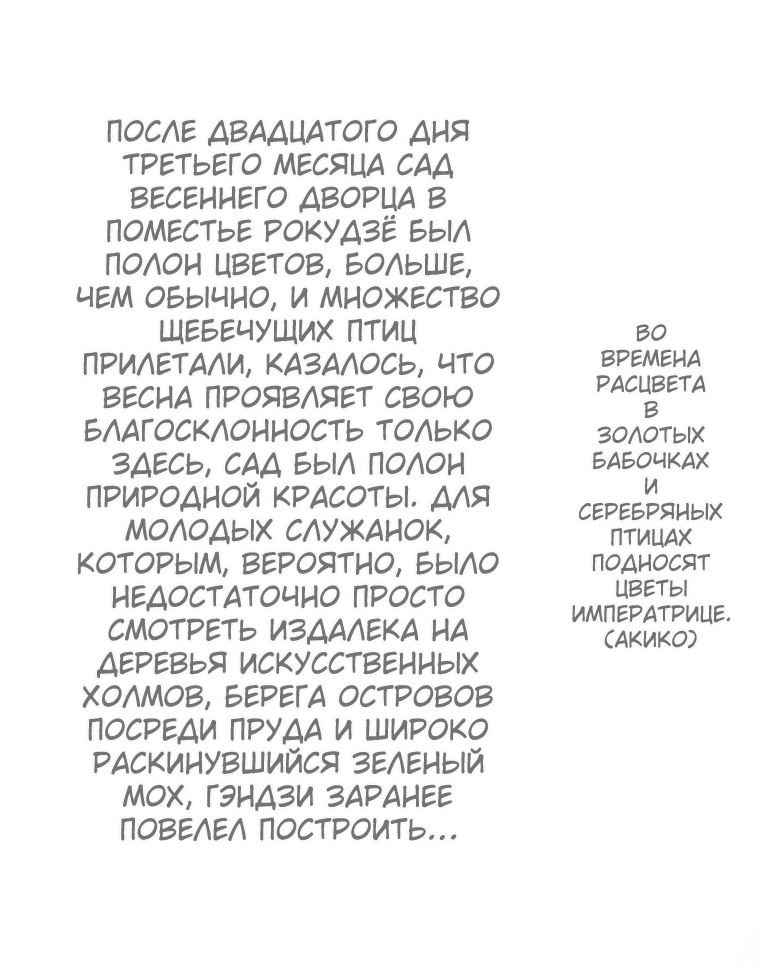
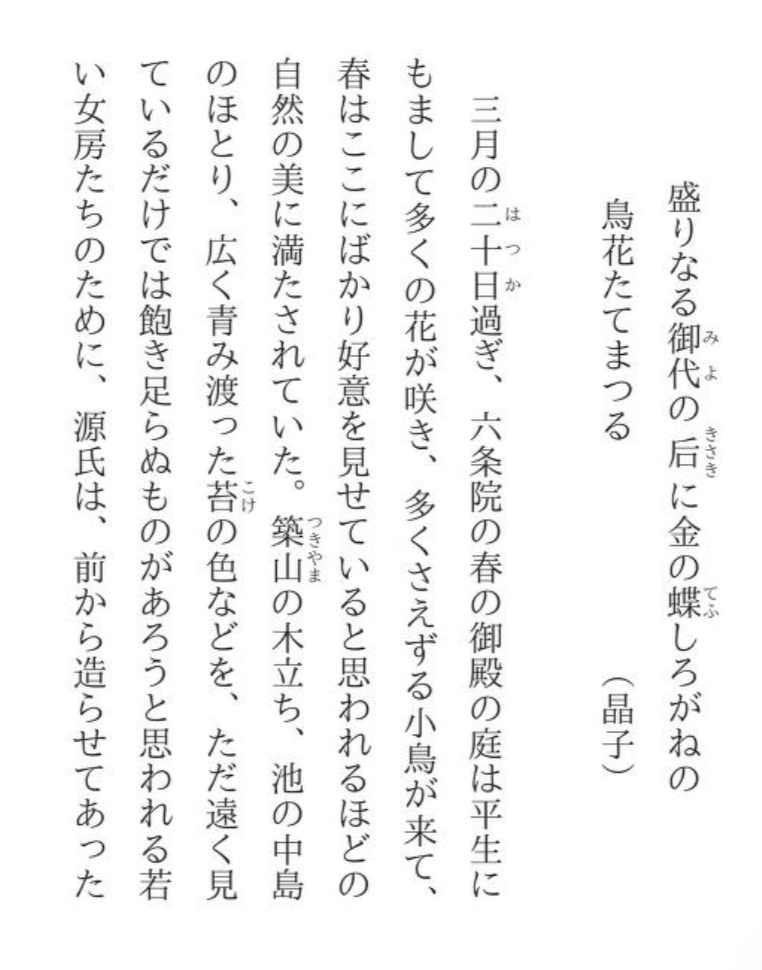
Japanese manhua → Russian translation
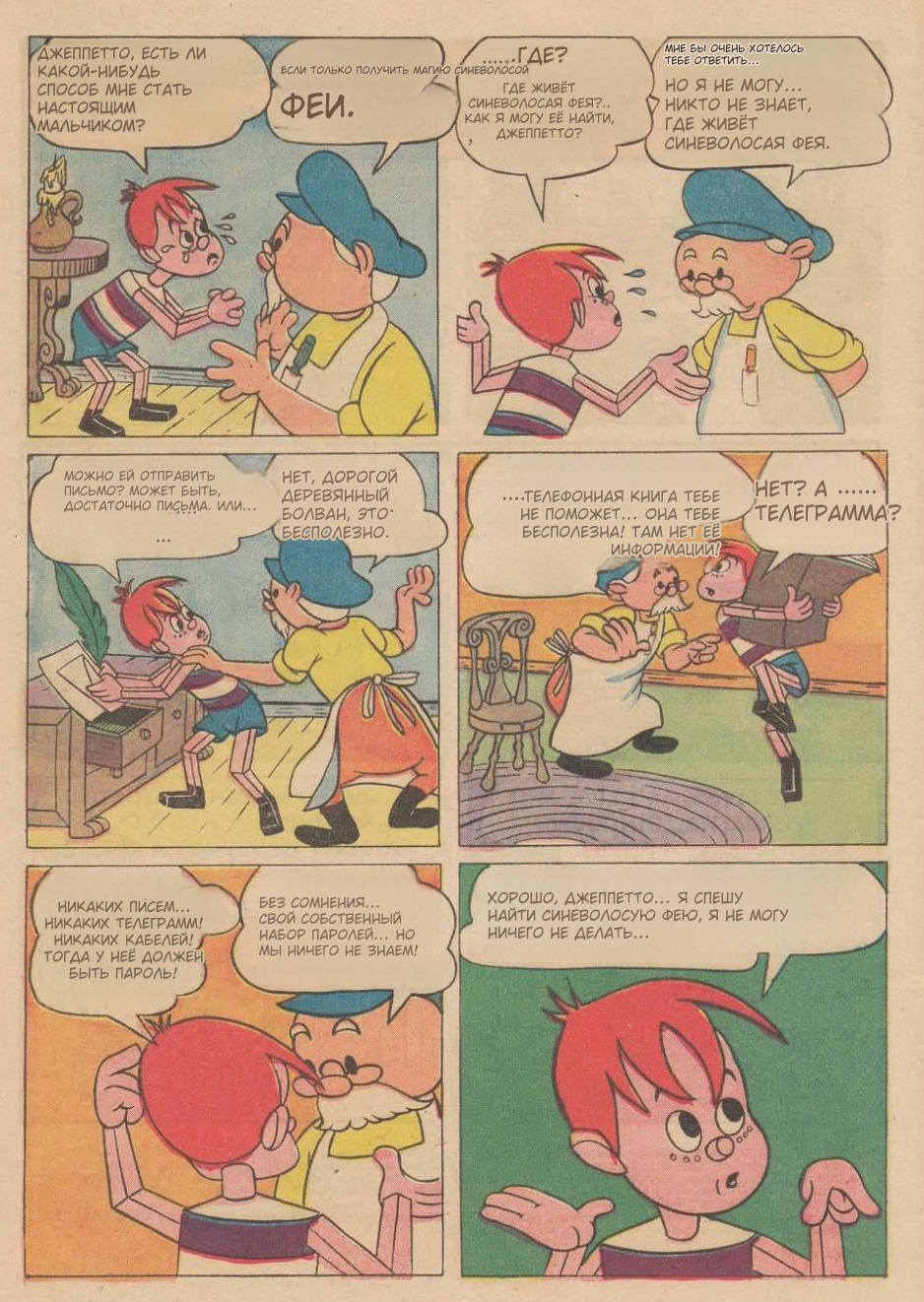
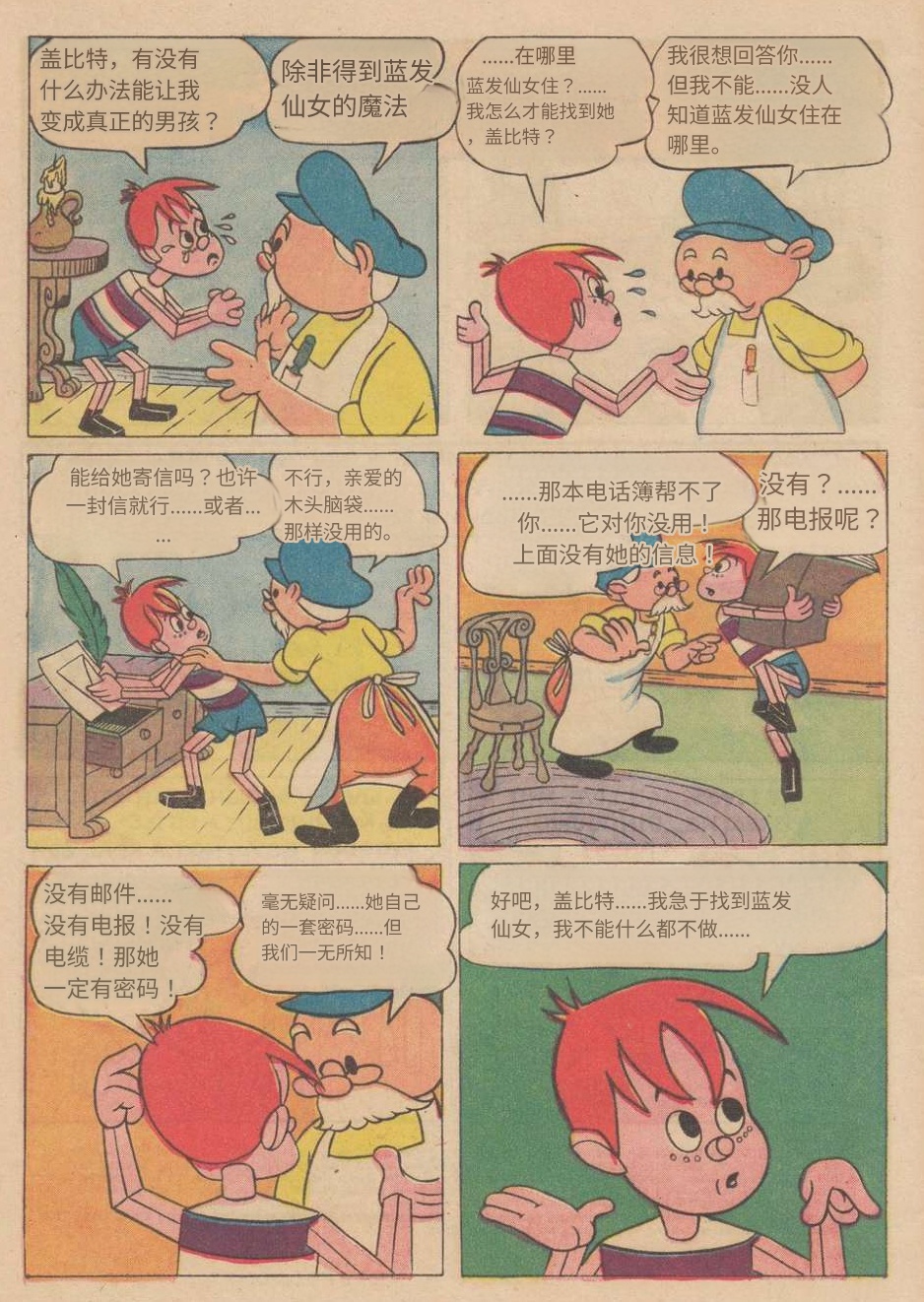
Chinese manhua → Russian translation
About Chinese Script & OCR
Translation Challenges: Chinese → Russian
Кириллица не влезает в баблы, рассчитанные на иероглифы
Китайские иероглифы — компактные квадраты: два знака 突破 занимают столько же места, сколько две буквы. А русское «прорыв» — это уже семь кириллических символов. Баблы в маньхуа нарисованы под плотность китайского текста, и русский перевод то и дело вылезает за их границы. Наш инструмент сам подстраивает размер шрифта, переносы и обтекание, чтобы кириллица влезала в баблы и оставалась читаемой.
Китайские идиомы (чэнъюй) и русские аналоги
Авторы маньхуа обожают вставлять 成语 (чэнъюй) — четырёхсложные идиомы с глубоким культурным подтекстом. Скажем, 卧虎藏龙 (wòhǔ cánglóng, «затаившийся тигр, притаившийся дракон») говорит о скрытых талантах. В русском тоже хватает пословиц, но культурные отсылки напрямую не совпадают. Инструмент распознаёт популярные чэнъюй и подбирает русские аналоги с похожим смыслом — например, «тихие воды глубоки», если это ложится в контекст.
Перевод системы рангов культивации на русский
В маньхуа про культивацию выстроены сложные иерархии рангов: 练气期 (Этап Закалки Ци), 筑基期 (Этап Закладки Основы), 金丹期 (Этап Золотого Ядра). Русскоязычные читатели уже выработали свои условные переводы, но до полной стандартизации пока далеко. Инструмент опирается на самые устоявшиеся варианты терминологии и выдерживает единообразие на протяжении всей серии.
Русские падежи vs нулевое словоизменение в китайском
В китайском слово не меняет форму — 师父 остаётся 师父, хоть подлежащим, хоть дополнением, хоть определением. А вот по-русски без склонения никуда: «мастер», «мастера», «мастеру» и так далее. Каждый титул, имя персонажа, каждый термин культивации нужно правильно просклонять по контексту. Движок перевода автоматически согласует падежи, чтобы диалоги звучали грамотно и естественно.
Популярные фразы Manhua: Chinese → Russian
| Original | Romanization | Meaning | Russian |
|---|---|---|---|
| 修炼 | Xiūliàn | Культивация, духовная практика | Культивация / Духовная практика |
| 师父 | Shīfu | Мастер, наставник боевых искусств | Мастер / Учитель |
| 成语 | Chéngyǔ | Четырёхсложная идиома | Чэнъюй / Идиома |
| 砰 | Pēng | Звук удара, взрыва | БАМ |
| 宿主 | Sùzhǔ | Носитель (термин из системных/исекай маньхуа) | Носитель / Хозяин |
| 境界 | Jìngjiè | Уровень, ступень культивации | Уровень / Царство |
| 哇 | Wā | Восклицание удивления | Ого / Ух ты |
| 功夫 | Gōngfu | Кунг-фу, мастерство боевых искусств | Кунг-фу / Боевые искусства |
Советы по переводу Manhua с Chinese на Russian
- 1
Зафиксируйте терминологию культивации с первой главы
Русскоязычное сообщество маньхуа до сих пор спорит о стандартах перевода рангов культивации. Определитесь с вариантами заранее — 金丹 будет «Золотое Ядро» или «Золотой Дань»? — и держитесь выбранного на протяжении всей серии. Скачущая терминология — главная головная боль русских читателей в фанатских переводах.
- 2
Используйте падежные окончания для большей ясности
Русские падежи — на деле ваш козырь при переводе маньхуа. В китайском кто что кому сделал определяется порядком слов и контекстом, а в русском падежные окончания расставляют всё по местам. Пользуйтесь этим осознанно: диалоги можно сделать даже понятнее оригинала — особенно в боевых сценах, где в китайском подлежащие то и дело опускаются.
- 3
Подбирайте русские аналоги чэнъюй, а не переводите дословно
Четырёхсложные идиомы дословно переводить бессмысленно — лучше поискать русскую пословицу или устойчивое выражение с той же эмоцией. Знакомая поговорка всегда ляжет лучше, чем пословный перевод китайской отсылки. А если точного аналога нет, краткий контекстуальный перевод сработает лучше любой сноски.
- 4
Проверяйте вписывание кириллицы в баблы перед финализацией
Русский текст почти всегда длиннее китайского оригинала. После перевода пролистайте каждую страницу — нет ли переполнения. Если бабл тесноват, берите синонимы покороче или перестраивайте фразу: свободный порядок слов в русском позволяет ужать предложение без потери смысла. «Он пробил барьер» куда компактнее, чем «Он совершил прорыв через барьер», а значит ровно то же самое.
Часто задаваемые вопросы: Chinese → Russian
Как инструмент обрабатывает русские падежи для китайских терминов?▾
Движок перевода сам подставляет правильные падежные окончания с учётом грамматики каждого предложения. Титулы культивации, имена персонажей и частотные термины склоняются корректно, в какой бы роли они ни стояли — подлежащим, дополнением или чем-то ещё. Для редких или вымышленных слов применяются стандартные модели русского склонения.
Распознаёт ли инструмент китайские четырёхсложные идиомы (чэнъюй)?▾
Да, в инструменте собрана база популярных чэнъюй с контекстуальными русскими аналогами. Для известных идиом он подбирает культурно уместные русские варианты. Более редкие чэнъюй передаются понятным смысловым переводом, а не дословной калькой. Особо контекстозависимые случаи лучше перепроверить вручную.
Поместится ли кириллица в речевые баблы?▾
Это главная техническая головоломка для этой языковой пары. Инструмент подбирает размер шрифта и переносы строк, и со стандартными диалоговыми баблами справляется хорошо. В совсем узких баблах с длинными русскими словами текст всё же может оказаться тесноватым — тогда стоит перефразировать покороче. В целом результат куда лучше ручного тайпсеттинга, хотя идеально вписать текст абсолютно везде не получится.
Поддерживает ли инструмент и упрощённые, и традиционные иероглифы?▾
Да, оба набора поддерживаются полностью. Львиная доля маньхуа выходит в материковом Китае, так что чаще всего вы встретите упрощённые иероглифы. Но и традиционные из тайваньских или гонконгских изданий распознаются с той же точностью.
Как обрабатываются китайские звуковые эффекты в экшен-сценах?▾
Китайские звуковые эффекты заменяются русскими аналогами: 砰 превращается в «БАМ», 轰 — в «БАБАХ», 嗖 — в «ВЖУХ». Используется кириллическая ономатопея, привычная русскоязычным читателям комиксов. Если звуковой эффект вплетён прямо в рисунок, инструмент накладывает русский вариант в подходящем стиле.
Другие инструменты перевода Chinese
Chinese to English Manhua Translator
Translate Chinese manhua to English. Handles hanzi OCR, chengyu idioms, cultivation terminology, and Simplified/Traditional character detection. Use images you have permission to work with.
Chinese to Spanish Manhua Translator
Translate Chinese manhua to Spanish with hanzi OCR. Handles xianxia cultivation terms, historical honorifics, and Traditional/Simplified Chinese. Use images you have permission to work with.
Chinese to French Manhua Translator
Translate Chinese manhua to French with hanzi OCR. Handles four-character idioms, measure words, cultivation terms, and gendered French grammar. Use images you have permission to work with.
Alchemy Manhua Translation Guide: Mastering the Elixirs & Cultivation
Unravel the complexities of Alchemy manhua translation with our comprehensive guide. Explore unique challenges, essential terms, and practical tips for
Martial Arts Wuxia Manhua Translation Guide
Unravel the secrets of translating Wuxia manhua with this comprehensive guide, covering unique challenges, essential Chinese martial arts terms, and
Reincarnation Revenge Manhua Translation Guide
Unravel the complexities of Reincarnation Revenge manhua translation. This guide covers unique challenges, essential Chinese terms, and practical tips for
Chinese Manhua Action Sound Effects (SFX) Glossary
Explore 28 essential Chinese action sound effects (SFX) commonly found in manhua. This glossary helps readers and translators understand common battle
Chinese Manhua Alchemy Terms Glossary
Explore 30 essential Chinese alchemy terms from cultivation manhua, covering pill refining, ingredients, and formations. Master the vocabulary crucial for
Ready to translate a manhua image you can use?
Upload only images you own, made, licensed, or have permission to work with, then review the Chinese → Russian output.
Translate an image you can useDisclaimer: Novel Translator does not store or archive images uploaded for translation. Images are handled in real time and discarded after the job finishes. Please upload only images you own, made, licensed, or have permission to upload, process, translate, and use. We do not provide images, illustrations, comics, scans, downloads, or other source material. Use of this service constitutes acceptance of our Terms of Service.