
Chinese to Korean Manhua Translator | 중국어 만화 한국어 번역기
중국어와 한국어는 같은 동아시아 문화권이지만, 만화(漫画) 번역은 단순한 단어 치환과는 거리가 멉니다. 한자 문화 덕분에 일부 어휘를 공유하긴 해도, 중국어는 고립어라 굴절이 없고 한국어는 교착어라 복잡한 경어 체계까지 갖추고 있어 문법 구조 자체가 근본적으로 다릅니다. 작품 속 문화적 뉘앙스, 사자성어, 그림에 직접 들어간 텍스트까지 고려하면 난이도는 더 올라갑니다. 이 번역기는 그 간극을 메워서, 정식 한국어판을 기다리지 않고도 중국 만화를 자연스러운 한국어로 바로 읽을 수 있게 해줍니다. Only use this with images you own, made, licensed, or have permission to work with.
Translate an image you can useSee It in Action
Compare a source image you can use with its translated result
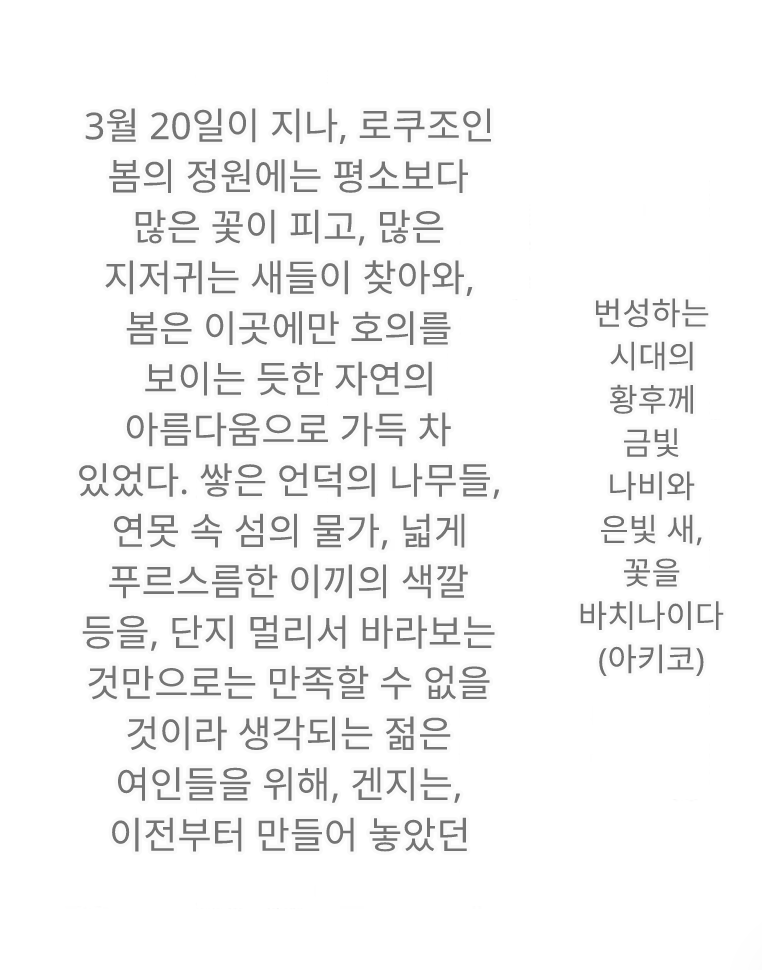
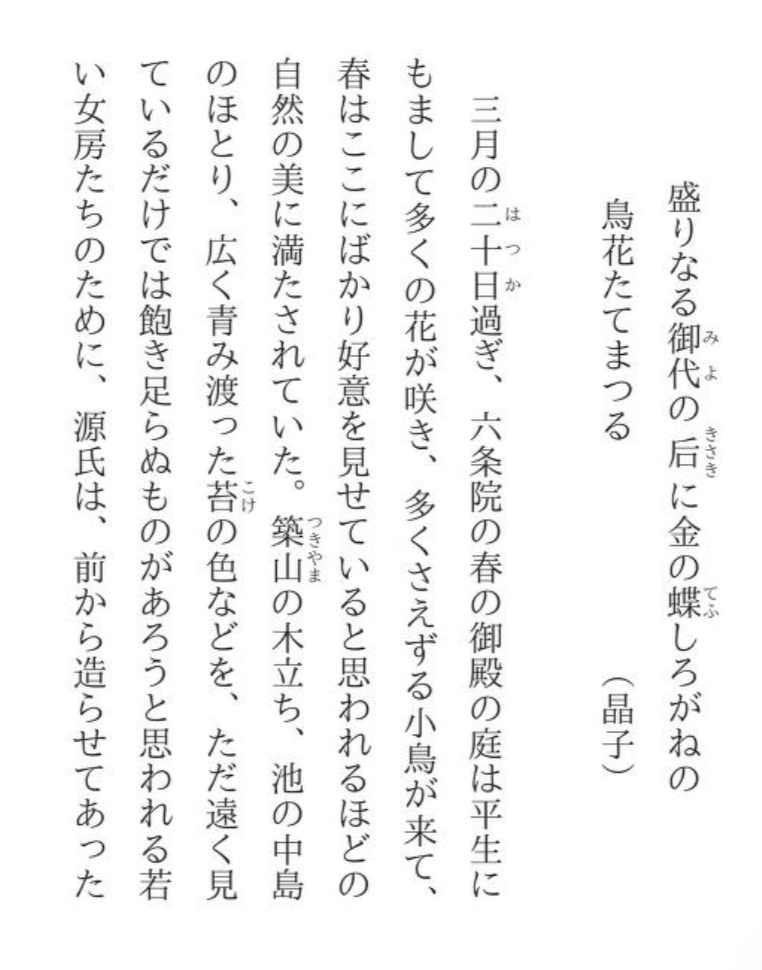
Japanese manhua → Korean translation
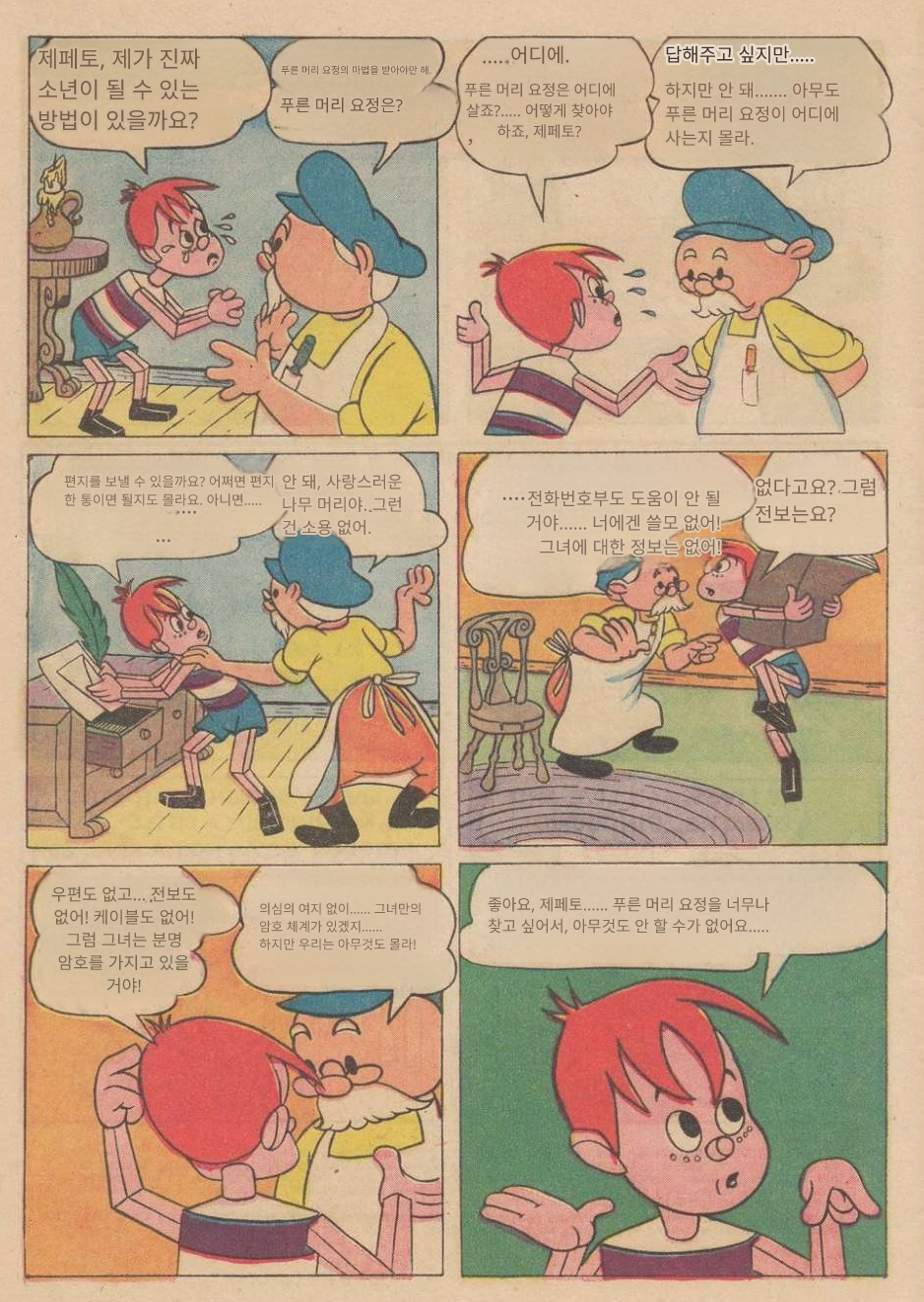
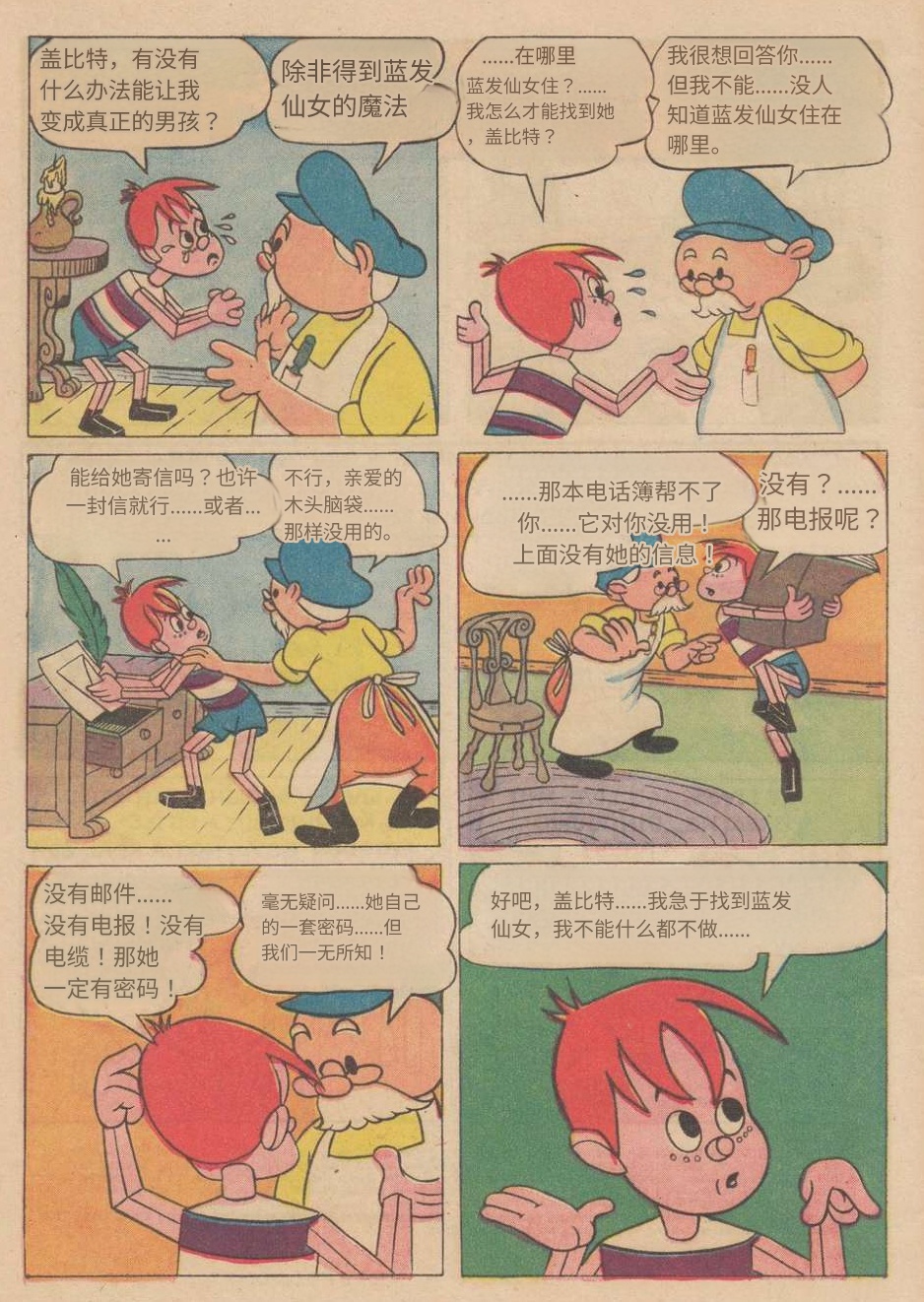
Chinese manhua → Korean translation
About Chinese Script & OCR
Translation Challenges: Chinese → Korean
사자성어(成语) 및 관용 표현 처리
중국 만화에는 네 글자 성어(成语, chéngyǔ)와 각종 관용 표현이 자주 등장합니다. 한국어에 딱 맞는 표현이 없는 경우가 많아서, 직역하면 뜻이 잘 전달되지 않습니다. 번역기는 문맥을 파악해 직역 대신 자연스럽게 읽히는 한국어 표현으로 바꿔 줍니다.
문화적 맥락과 호칭·경어 차이
두 문화 모두 위계를 중시하지만, 호칭 사용 방식은 꽤 다릅니다. 예를 들어 중국어의 '哥哥(거거)', '姐姐(지에지에)'를 한국어 '오빠', '언니'로 기계적으로 바꾸면 어색해지기 쉽습니다. 번역기는 등장인물 간 관계와 지위를 고려해서, 한국어에서 자연스럽고 적절한 호칭과 존댓말·반말 수준을 골라 줍니다.
간체자·번체자 인식
중국 만화 대부분은 간체자(简体字)를 쓰지만, 대만이나 홍콩 만화는 번체자(繁體字)를 사용합니다. OCR 엔진이 이미지 속 두 가지 한자 체계를 모두 정확히 인식한 뒤 한국어로 번역하기 때문에, 어떤 자체의 만화든 문제없이 처리됩니다.
효과음(SFX) 및 의성어·의태어 변환
중국 만화의 효과음(예: 砰(펑), 刷(슈아))은 한국어 의성어·의태어(예: 쾅, 슥)와 표현 방식이 다릅니다. 소리의 뜻만 옮기는 게 아니라, 한국 독자가 익숙하게 느끼고 실감할 수 있는 효과음으로 바꾸는 게 핵심입니다.
Chinese에서 Korean로 Manhua 자주 쓰는 표현
| Original | Romanization | Meaning | Korean |
|---|---|---|---|
| 你好 | Nǐ hǎo | 인사 (안녕하세요) | 안녕하세요 |
| 谢谢 | Xièxie | 감사 표현 | 감사합니다 |
| 砰 | Pēng | 충격·폭발 효과음 | 쾅! |
| 啊? | A? | 의아함·되묻기 | 응? / 아? |
| 真的吗? | Zhēn de ma? | 확인·놀람 표현 | 정말요? / 진짜? |
| 快走! | Kuài zǒu! | 재촉·독촉 표현 | 빨리 가! / 서둘러! |
| 嗯 | Ń / Ng | 긍정·동의 추임새 | 응 / 으음 |
Chinese에서 Korean로 Manhua 번역 팁
- 1
성어는 문맥이 핵심
복잡한 사자성어(成语)가 나왔을 때, 직역하면 한국어로는 어색하게 들리기 쉽습니다. 번역기가 문맥을 추론하긴 하지만, 결과가 이상하게 느껴지면 해당 컷의 전체 상황을 살펴보세요. 원래 의도된 의미를 파악하는 데 도움이 됩니다.
- 2
호칭과 존댓말에 주의하기
중국어의 호칭 체계와 한국어 경어법은 사회적 단서가 서로 다릅니다. 원문에서 인물들이 서로를 어떻게 부르는지 살펴보고, 한국어 번역에서 격식 수준이 잘 반영되는지 확인해 보세요. 캐릭터 관계를 표현하는 데 중요한 부분입니다.
- 3
효과음 차이 이해하기
중국어 의성어와 한국어 의성어는 형태가 꽤 다릅니다. '哈哈(하하, 웃음소리)'가 '깔깔'로, '刷(슈아, 스치는 소리)'가 '슥'으로 바뀌어도 정상입니다. 번역기가 한국 독자에게 가장 자연스럽게 들리는 효과음을 골라 줍니다.
- 4
이미지 화질이 번역 품질을 좌우
만화 이미지가 선명할수록 OCR이 복잡한 한자를 잘 잡아냅니다. 번역 결과가 이상하면 좀 더 고해상도 이미지를 써 보세요. 화질만 올려도 정확도가 확 달라질 수 있습니다.
Chinese에서 Korean로 번역 FAQ
간체자와 번체자 모두 번역할 수 있나요?▾
네, 중국 대륙 만화에서 주로 쓰는 간체자(简体字)와 대만·홍콩 만화에서 볼 수 있는 번체자(繁體字)를 모두 인식해서 한국어(한글)로 번역합니다.
만화에 나오는 유행어나 인터넷 밈도 정확히 번역되나요?▾
AI가 계속 학습 중이긴 하지만, 중국 만화에는 아주 최신 유행어나 인터넷 밈이 나오기도 해서 전문 번역가도 고전하는 경우가 있습니다. 번역기가 문맥에 맞는 최선의 한국어 표현을 찾아 주지만, 매우 특수하거나 갓 생긴 신조어는 바로 완벽하게 번역되지 않을 수 있습니다.
번역 후에도 원본 만화의 그림체가 유지되나요?▾
번역기는 텍스트 인식, 추출, 교체에 집중합니다. 한국어 번역문을 원본 이미지 위에 덮어씌우면서 원래 폰트 스타일과 말풍선 위치를 최대한 살립니다. 그림 자체는 건드리지 않습니다.
세로쓰기 텍스트도 처리할 수 있나요?▾
중국어 텍스트가 전통 레이아웃이나 디자인 요소에 따라 세로로 배치되는 경우가 있는데, OCR이 가로·세로 텍스트를 모두 감지하고 올바른 방향으로 인식해서 정확히 한국어로 번역해 줍니다.
종이책을 스캔한 만화도 번역할 수 있나요?▾
스캔 화질이 선명하고 글자가 잘 보이면 충분히 됩니다. 고화질 스캔일수록 OCR 인식률이 올라가고, 그만큼 더 정확한 한국어 번역을 받을 수 있습니다.
더 많은 Chinese 번역 도구
Chinese to English Manhua Translator
Translate Chinese manhua to English. Handles hanzi OCR, chengyu idioms, cultivation terminology, and Simplified/Traditional character detection. Use images you have permission to work with.
Chinese to Spanish Manhua Translator
Translate Chinese manhua to Spanish with hanzi OCR. Handles xianxia cultivation terms, historical honorifics, and Traditional/Simplified Chinese. Use images you have permission to work with.
Chinese to French Manhua Translator
Translate Chinese manhua to French with hanzi OCR. Handles four-character idioms, measure words, cultivation terms, and gendered French grammar. Use images you have permission to work with.
Alchemy Manhua Translation Guide: Mastering the Elixirs & Cultivation
Unravel the complexities of Alchemy manhua translation with our comprehensive guide. Explore unique challenges, essential terms, and practical tips for
Martial Arts Wuxia Manhua Translation Guide
Unravel the secrets of translating Wuxia manhua with this comprehensive guide, covering unique challenges, essential Chinese martial arts terms, and
Reincarnation Revenge Manhua Translation Guide
Unravel the complexities of Reincarnation Revenge manhua translation. This guide covers unique challenges, essential Chinese terms, and practical tips for
Chinese Manhua Action Sound Effects (SFX) Glossary
Explore 28 essential Chinese action sound effects (SFX) commonly found in manhua. This glossary helps readers and translators understand common battle
Chinese Manhua Alchemy Terms Glossary
Explore 30 essential Chinese alchemy terms from cultivation manhua, covering pill refining, ingredients, and formations. Master the vocabulary crucial for
Ready to translate a manhua image you can use?
Upload only images you own, made, licensed, or have permission to work with, then review the Chinese → Korean output.
Translate an image you can useDisclaimer: Novel Translator does not store or archive images uploaded for translation. Images are handled in real time and discarded after the job finishes. Please upload only images you own, made, licensed, or have permission to upload, process, translate, and use. We do not provide images, illustrations, comics, scans, downloads, or other source material. Use of this service constitutes acceptance of our Terms of Service.