
Chinese to Japanese Manhua Translator | 中国語マンファを日本語に翻訳
中国語と日本語は数千もの漢字を共有していますが、同じ字でも意味や使い方がまるで違うケースは珍しくありません。中国語マンファを日本語に訳すには、こうした「見かけ倒しの同形語」を正しく読み分け、成語(四字熟語)を自然な日本語に置き換え、語順の違いにもうまく対処しなければなりません。このツールはマンファの画像から中国語テキストを読み取り、両言語のこまかな違いを踏まえて日本語へ変換します。 Only use this with images you own, made, licensed, or have permission to work with.
Translate an image you can useSee It in Action
Compare a source image you can use with its translated result
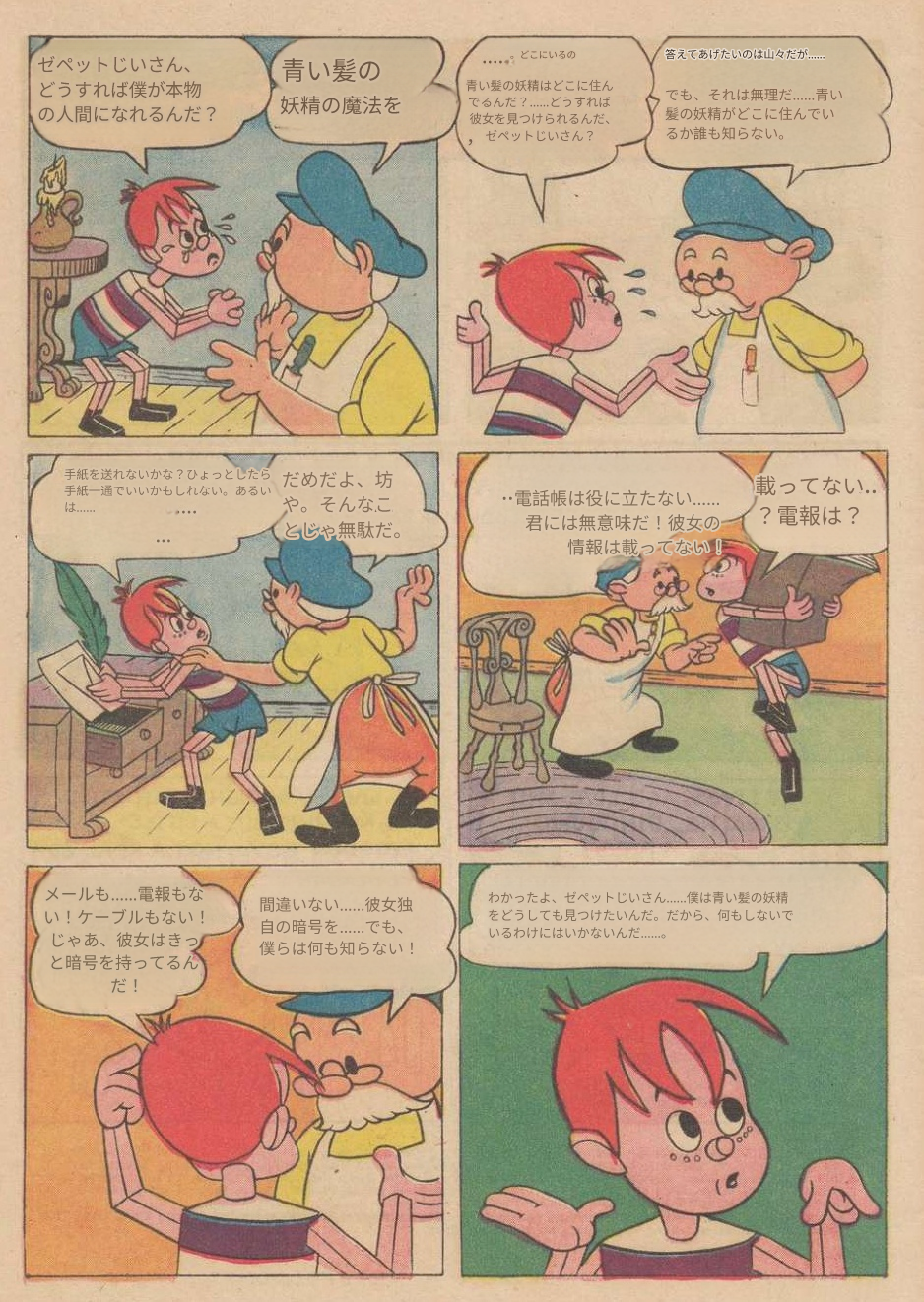
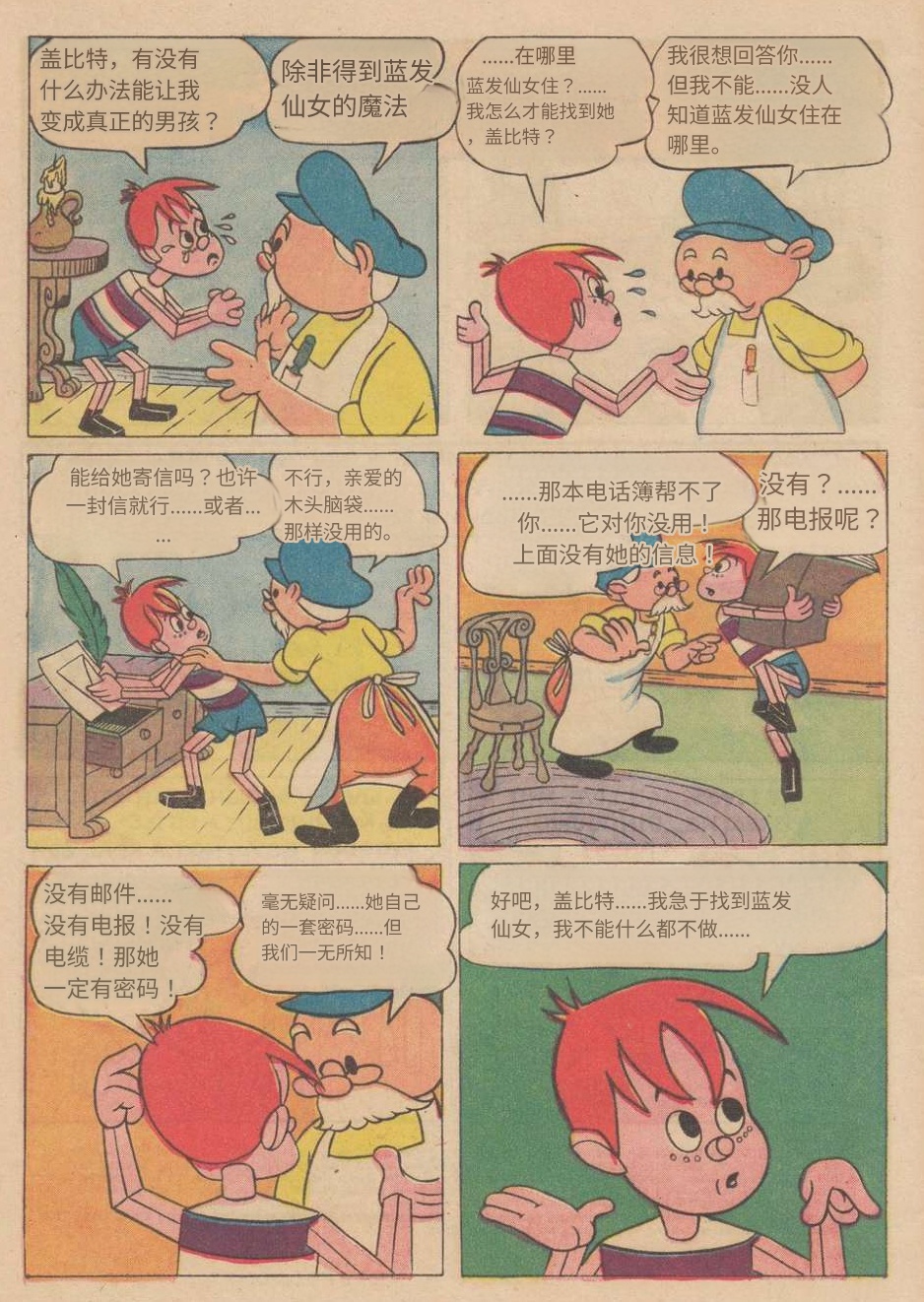
Chinese manhua → Japanese translation
About Chinese Script & OCR
Translation Challenges: Chinese → Japanese
同じ漢字なのに意味が違う「同形異義語」
中国語も日本語も漢字を使いますが、同じ字面で意味がずれている単語がたくさんあります。たとえば「手紙」は中国語だと「トイレットペーパー」のこと。「先生」も中国語では「〜さん」程度の敬称で、日本語のように「教師」や「医師」を指すわけではありません。このツールは中国語としての正しい意味をくみ取り、ふさわしい日本語の語彙を選び出します。
成語・ネットスラング・慣用表現の変換
マンファのセリフには、中国の歴史や文学から生まれた成語(四字熟語)、ネットスラング、若者言葉がよく登場します。こうした表現を一文字ずつ訳しても意味は通じません。日本語で同じニュアンスが伝わる言い回しに置き換える必要があり、このツールは前後の文脈を見ながら最も自然な訳を選びます。
擬音語・効果音の変換
中国語マンファの効果音は、日本の漫画とは体系がかなり異なります。たとえば衝突音の「砰(ペン)」は、場面しだいで「ドカン」にも「バン」にもなりえます。このツールはコマの絵柄や状況を見て、いちばんしっくりくる日本語の擬音語を当てはめます。
読み方と漢字変換の問題
中国語の漢字を日本語にする際、音読みと訓読みのどちらがふさわしいか見極めなければなりません。そのうえ、漢字をそのまま残すか、別の漢字に差し替えるか、いっそひらがなのほうが読みやすいかという判断も出てきます。このツールは文脈を見て、こうした処理を自動で行います。
ChineseからJapaneseへのManhuaよく使うフレーズ
| Original | Romanization | Meaning | Japanese |
|---|---|---|---|
| 喂! | Wei! | 人に呼びかけるときの一言 | おい! / もしもし! |
| 呵呵 | Hehe | 軽い笑い。皮肉っぽく使うことも | へへ / ふふ |
| 等等! | Dengdeng! | 相手を引き留めるとき | 待って! / ちょっと待って! |
| 好啊 | Hao a | 気軽な同意・了解 | いいよ / いいね |
| 糟糕! | Zaogao! | ヤバい・困ったときの叫び | まずい! / しまった! |
| 砰 | Peng | 何かがぶつかる音 | ドカン! / バン! |
| 嗯? | En? | 怪しんだり聞き返すときの声 | ん? / え? |
ChineseからJapaneseへのManhua翻訳のコツ
- 1
漢字の「同形異義語」に注意
見覚えのある漢字でも、中国語と日本語で意味が違うことはよくあります。「汽車」は中国語だと「自動車」、日本語だと「蒸気機関車」。「勉強」も中国語では「無理強い」という意味ですが、日本語では「学習」のことです。翻訳結果に何か引っかかったら、こうした同形異義語を疑ってみてください。
- 2
効果音は場面を見て判断する
中国語の効果音には、日本語で一つの正解に決めきれないものもあります。コマに描かれている動きや状況を見て、当てはめた擬音語がぴったりかどうか確かめましょう。辞書的な訳にこだわるより、その場面が伝えたい音や感覚に合っているかを重視するのがコツです。
- 3
キャラクターの口調をチェックする
中国語は日本語ほど敬語を細かく使い分けません。このツールは文脈から敬語・タメ口を推定しますが、序盤のエピソードだとキャラクター情報が足りず、口調がちぐはぐになることもあります。気になったら敬語とくだけた表現を手動で直してみると、ぐっと読みやすくなるはずです。
- 4
訳の候補を見くらべる
意味があいまいなセリフや慣用表現は、日本語の訳が原文の意図をちゃんと伝えているか目を通しておくと安心です。中国語の原文がなんとなくわかるだけでも、どの訳が原作のニュアンスに近いか判断しやすくなります。
ChineseからJapaneseへの翻訳FAQ
漢字が共通しているぶん、翻訳の精度は高くなりますか?▾
実は漢字が共通しているからこそ厄介な面もあります。同じ字でも中国語と日本語で意味が食い違うケースが多いためです。このツールはそうした意味のずれを文脈から見分けて、正しい日本語を選びます。日常会話のセリフは高い精度で処理できますが、専門用語は念のため確認したほうがよいでしょう。
繁体字と簡体字の両方に対応していますか?▾
はい。OCRが原文の字体を自動で判別します。台湾・香港のマンファで多い繁体字にも、中国大陸の簡体字にも対応しており、字体ごとに最適な認識モデルを使い分けます。同じ単語でも字体が変わると見た目がかなり違うことがあるので、この判別は欠かせません。
縦書きのテキストも翻訳できますか?▾
マンファはふだん横書きですが、タイトルや古風な演出で縦書きが出てくることもあります。OCRは縦横どちらの方向にも対応しているので問題ありません。日本語の出力は、漫画として読みやすい形式で表示されます。
中国語の効果音はどう日本語に変わりますか?▾
中国語の擬音語をそのままカタカナに写すのではなく、日本の漫画でおなじみの効果音に置き換えます。たとえば「砰」は場面に合わせて「ドカン」や「バン」に。日本語の漫画読者がすんなり読める表現を目指しています。
翻訳した画像はダウンロードできますか?▾
はい。日本語テキストを元の絵に重ねた画像をそのままダウンロードできます。保存しておけば、オフラインでも翻訳済みのマンファを楽しめます。
その他のChinese翻訳ツール
Chinese to English Manhua Translator
Translate Chinese manhua to English. Handles hanzi OCR, chengyu idioms, cultivation terminology, and Simplified/Traditional character detection. Use images you have permission to work with.
Chinese to Spanish Manhua Translator
Translate Chinese manhua to Spanish with hanzi OCR. Handles xianxia cultivation terms, historical honorifics, and Traditional/Simplified Chinese. Use images you have permission to work with.
Chinese to French Manhua Translator
Translate Chinese manhua to French with hanzi OCR. Handles four-character idioms, measure words, cultivation terms, and gendered French grammar. Use images you have permission to work with.
Alchemy Manhua Translation Guide: Mastering the Elixirs & Cultivation
Unravel the complexities of Alchemy manhua translation with our comprehensive guide. Explore unique challenges, essential terms, and practical tips for
Martial Arts Wuxia Manhua Translation Guide
Unravel the secrets of translating Wuxia manhua with this comprehensive guide, covering unique challenges, essential Chinese martial arts terms, and
Reincarnation Revenge Manhua Translation Guide
Unravel the complexities of Reincarnation Revenge manhua translation. This guide covers unique challenges, essential Chinese terms, and practical tips for
Chinese Manhua Action Sound Effects (SFX) Glossary
Explore 28 essential Chinese action sound effects (SFX) commonly found in manhua. This glossary helps readers and translators understand common battle
Chinese Manhua Alchemy Terms Glossary
Explore 30 essential Chinese alchemy terms from cultivation manhua, covering pill refining, ingredients, and formations. Master the vocabulary crucial for
Ready to translate a manhua image you can use?
Upload only images you own, made, licensed, or have permission to work with, then review the Chinese → Japanese output.
Translate an image you can useDisclaimer: Novel Translator does not store or archive images uploaded for translation. Images are handled in real time and discarded after the job finishes. Please upload only images you own, made, licensed, or have permission to upload, process, translate, and use. We do not provide images, illustrations, comics, scans, downloads, or other source material. Use of this service constitutes acceptance of our Terms of Service.