
Korean to Arabic Manhwa Translator
For Korean manhwa images you have permission to work with, Arabic translation requires careful handling of cultural nuance, honorifics, and right-to-left layout. Translating Korean manhwa to Arabic goes beyond swapping words -- it involves navigating cultural nuances, specific honorifics, and adapting the visual style of Korean lettering for a right-to-left reading audience. This image translation tool handles those Korean-to-Arabic challenges, making untranslated series accessible to Arabic readers. Only use this with images you own, made, licensed, or have permission to work with.
Translate an image you can useSee It in Action
Compare a source image you can use with its translated result

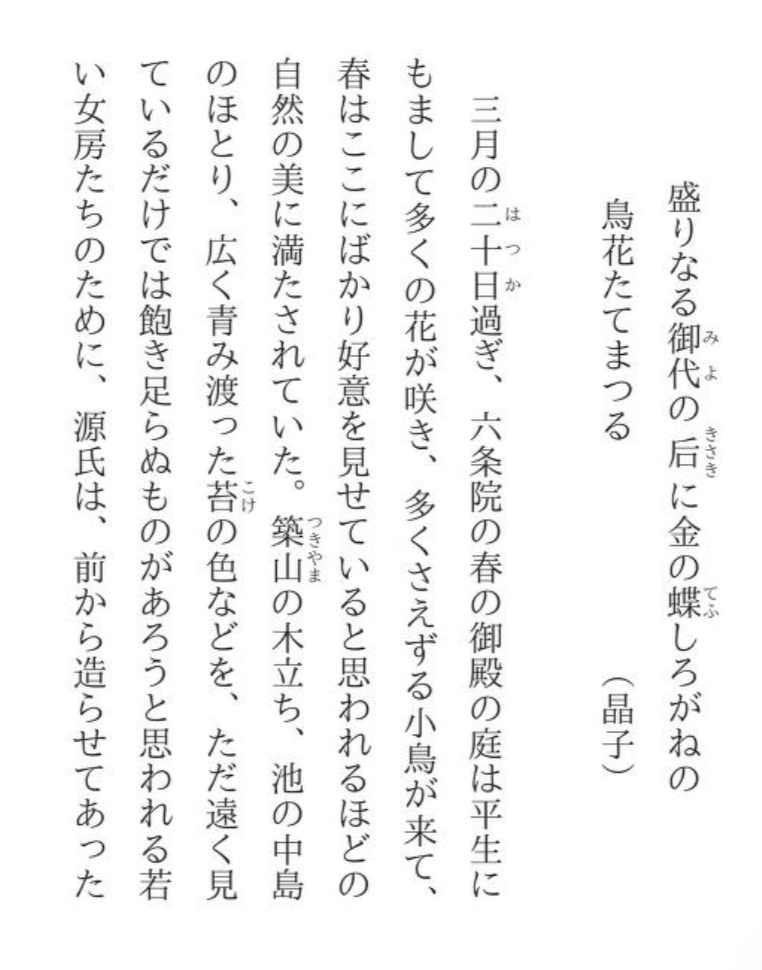
Japanese manhwa → Arabic translation

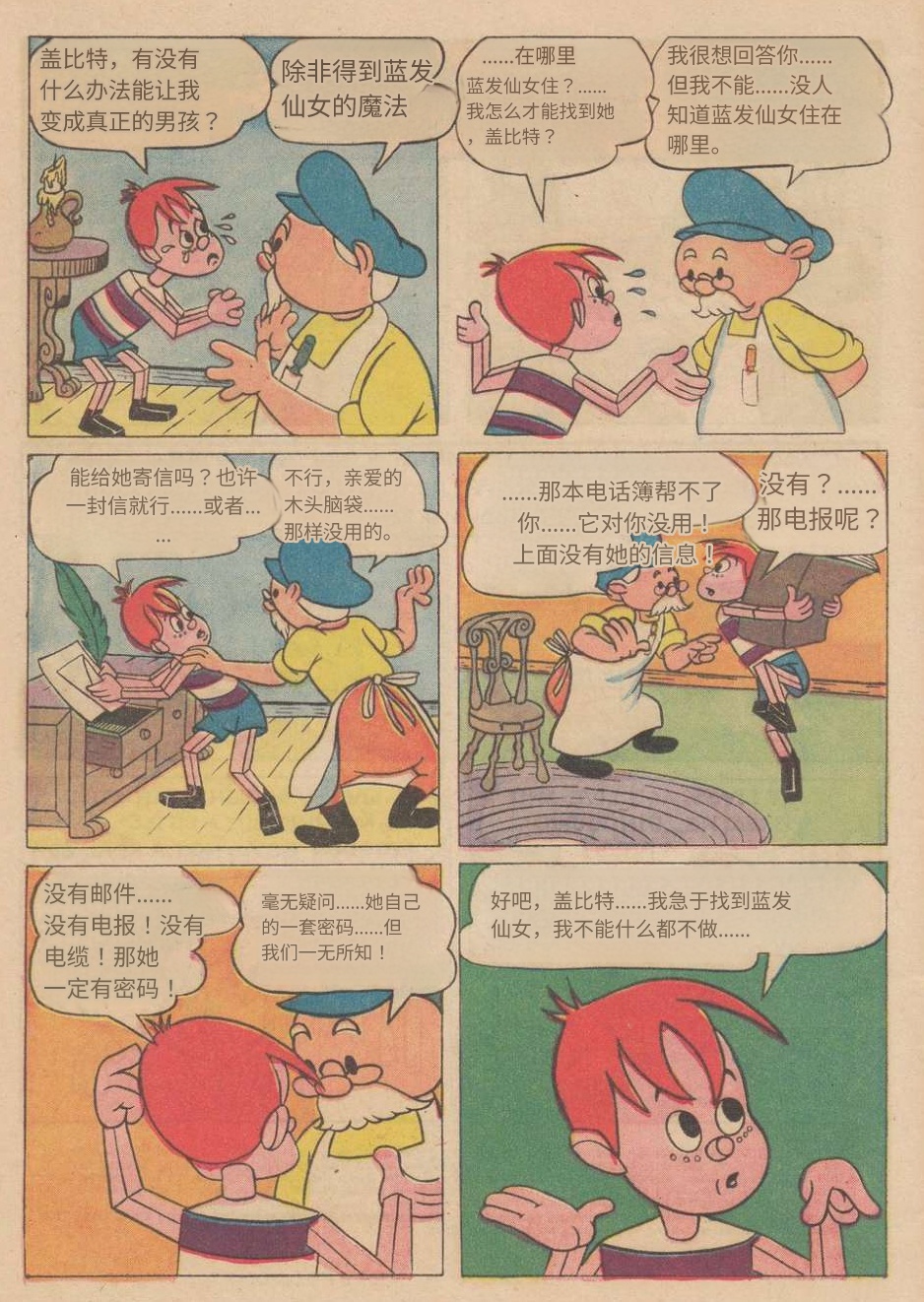
Chinese manhwa → Arabic translation
About Korean Script & OCR
Translation Challenges: Korean → Arabic
Honorifics and Social Context
Korean language is deeply rooted in hierarchy and social context, expressed through honorifics like '-nim', '-ssi', '-oppa', '-unnie'. Directly translating these to Arabic is often impossible without losing the nuanced relationship and respect implied. The tool conveys the level of respect contextually, helping you understand character dynamics even without a word-for-word equivalent.
Stylized Text and SFX Recognition
Manhwa artists often use highly stylized fonts and effects for emphasis, character thoughts, or sound effects (SFX). This artistic variation can be tricky for OCR. The system is trained to recognize a wide array of Korean text styles, including dynamic SFX, to extract text accurately before translating it into culturally appropriate Arabic equivalents.
Word Order and Sentence Structure Divergence
Korean generally follows a Subject-Object-Verb (SOV) structure, while Arabic is primarily Verb-Subject-Object (VSO). This fundamental difference requires intelligent rephrasing -- not just dictionary lookup -- to produce natural-sounding Arabic that maintains the original Korean meaning and flow in speech bubbles.
Idiomatic Expressions and Cultural References
Korean manhwa are rich with idioms, proverbs, and pop culture references that don't have direct Arabic equivalents. Word-for-word translation would lead to confusion. The tool uses contextual understanding to provide fitting Arabic interpretations, preserving the humor, tension, or character intent behind such expressions.
Common Korean to Arabic Manhwa Phrases
| Original | Romanization | Meaning | Arabic |
|---|---|---|---|
| 안녕하세요 | Annyeonghaseyo | Hello / How are you? | مرحباً / كيف حالك؟ |
| 어떡해? | Eotteokhae? | What do I do? / Oh no! | ماذا أفعل؟ / يا إلهي! |
| 정말?! | Jeongmal?! | Really?! / Seriously?! | حقا؟! / بجدية؟! |
| 크크크 | Keukeukeu | Laughing sound (like 'lol') | ههههه |
| 심쿵 | Simkung | Heart thumping/skipping a beat (due to excitement/romance) | نبض القلب بقوة / خفقان القلب |
| 쨍 | Jjaeng | Sound of something clear/sharp, like a bell or glass breaking (often for a 'shock' moment) | رنين / طنين (لصوت حاد أو لحظة صدمة) |
Korean to Arabic Manhwa Translation Tips
- 1
Pay Attention to Contextual Cues
When translating, consider the surrounding panels and character expressions. Korean-to-Arabic translation can sometimes have multiple valid interpretations, and context is key to choosing the one that best fits the scene and character's emotion.
- 2
Understand Korean Honorifics
While direct Arabic equivalents are rare, understanding the function of honorifics (e.g., 'Hyung' for older brother, 'Noona' for older sister) helps you grasp character relationships. Look for subtle cues in the Arabic translation that convey respect or familiarity.
- 3
Don't Overlook SFX
Korean manhwa SFX (onomatopoeia) like '두근두근' (dugeundugeun - thumping heart) or '콰당' (kwadang - crash) add to the visual and emotional impact of the scene. The tool provides suitable Arabic equivalents for these.
- 4
Be Patient with Idioms
Some Korean idioms might not translate into a common Arabic idiom. If a phrase seems slightly off, try to infer the general meaning based on the character's reaction and the storyline. The goal is understanding the intent, even if it's not a direct cultural mirror.
Korean to Arabic Translation FAQ
Can this tool translate vertical Korean text commonly found in older manhwa?▾
The tool recognizes both horizontal and vertical Korean text orientations. Most modern webtoons are horizontal, but many older print manhwa use vertical text, and the OCR handles it for translation to Arabic.
How accurate are the Arabic translations for specific cultural terms or slang?▾
The system is continually updated with a large dataset to provide contextually relevant and natural-sounding Arabic equivalents for common cultural terms and popular manhwa slang. Highly niche slang might require some inference from the reader.
What if the Korean text is very small or blurry in the image?▾
Image quality plays a significant role in OCR accuracy. Extremely small, blurry, or very low resolution text can challenge the system. For best results, use clear, high-resolution images where the text is easily legible.
Does the translator handle different Korean dialects?▾
The translator focuses on standard Seoul Korean, which is what the vast majority of published manhwa uses. It might understand some common dialectal variations, but it's not specifically optimized for regional dialects, as these are less common in serialized manhwa.
More Korean Translation Tools
Korean to English Manhwa Translator
Translate Korean manhwa and webtoons to English. Handles Hangul OCR, honorific systems, Korean SFX, and vertical scroll webtoon formats. Use images you have permission to work with.
Korean to Spanish Manhwa Translator
Translate Korean manhwa and webtoons to Spanish with accurate Hangul OCR, honorific handling, and SFX translation. Use only images you have permission to work with.
Korean to Portuguese Manhwa Translator
Translate Korean manhwa to Portuguese with accurate handling of honorifics, SFX, and colloquial dialogue. Use only images you have permission to work with.
Horror Thriller Manhwa Translation Guide
Dive into the chilling world of Horror Thriller manhwa with our comprehensive translation guide. Learn about unique challenges, essential Korean terms,
Hunter Gates Manhwa Translation Guide
Dive into the world of Hunter Gates manhwa translation. This guide covers unique challenges, essential Korean genre terms, and practical tips for
Martial Arts Manhwa Translation Guide: Korean to English
Martial arts manhwa translation guide covering murim terms, sect ranks, cultivation language, Korean honorifics, and combat SFX.
Korean Manhwa Action Sound Effects (SFX) Glossary
Explore 28 essential Korean action sound effects (SFX) commonly found in manhwa and webtoons. This glossary helps readers and translators understand
Korean Manhwa Emotion Sound Effects (SFX) Glossary
Explore 28 essential Korean emotion sound effects (SFX) used in manhwa and webtoons. This glossary helps readers and translators understand common
Ready to translate a manhwa image you can use?
Upload only images you own, made, licensed, or have permission to work with, then review the Korean → Arabic output.
Translate an image you can useDisclaimer: Novel Translator does not store or archive images uploaded for translation. Images are handled in real time and discarded after the job finishes. Please upload only images you own, made, licensed, or have permission to upload, process, translate, and use. We do not provide images, illustrations, comics, scans, downloads, or other source material. Use of this service constitutes acceptance of our Terms of Service.