
English to Japanese Manga Translator | 英語の漫画を日本語に翻訳
英語から日本語への漫画翻訳は、英語コミックを日本向けにローカライズしたいクリエイターにも、好きな作品を日本語で読みたい語学学習者にも役立ちます。この翻訳では構造面の大きな組み替えが欠かせません。英語のSVO(主語-動詞-目的語)を日本語のSOV(主語-目的語-動詞)に直し、英語にはない敬語を文脈から推定して加え、さらに英語では数の少ない擬音語を日本語の豊富なオノマトペに広げることで、漫画として自然に読める仕上がりを目指します。 Only use this with images you own, made, licensed, or have permission to work with.
Translate an image you can useSee It in Action
Compare a source image you can use with its translated result
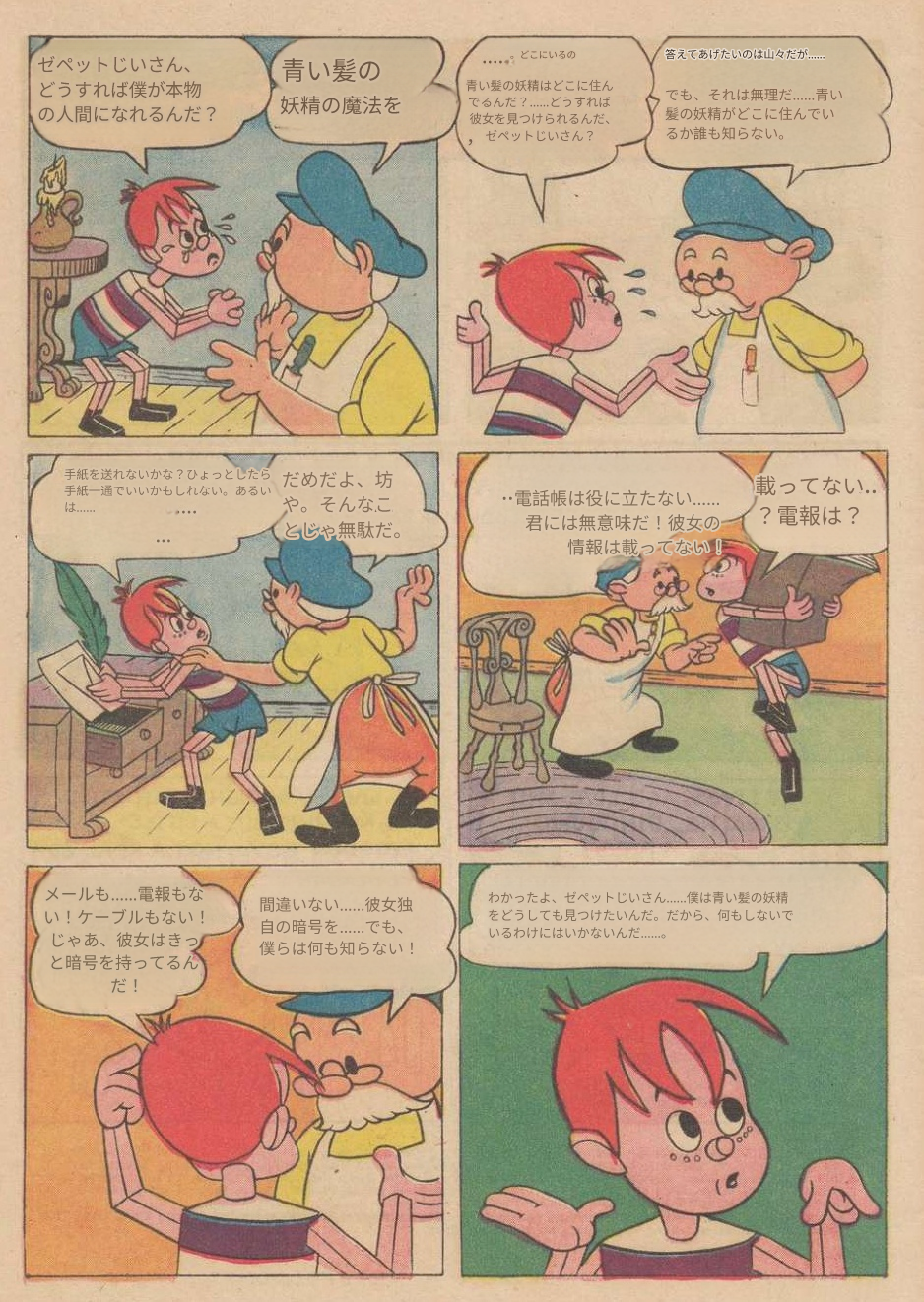
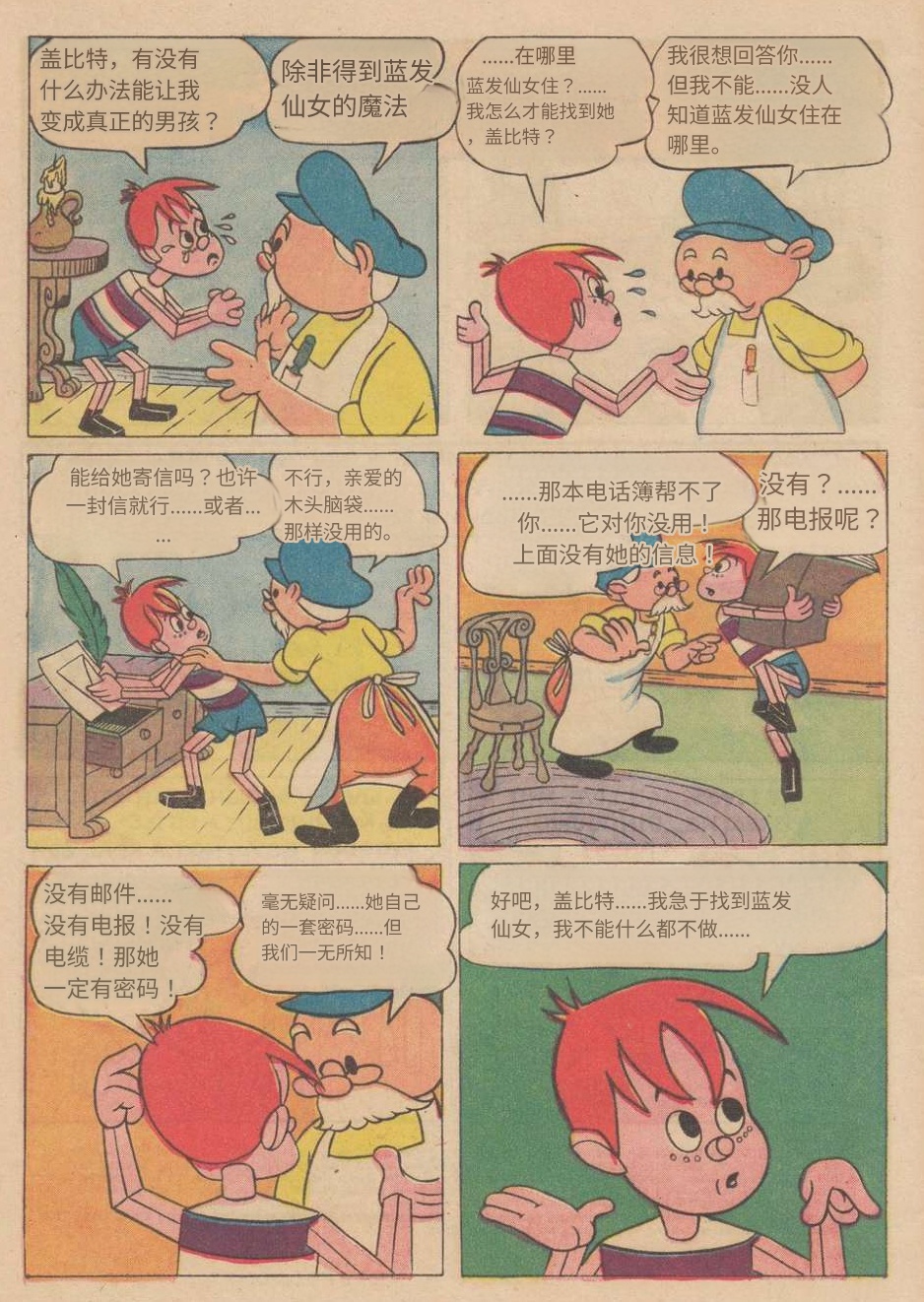
Chinese manga → Japanese translation
About English Script & OCR
Translation Challenges: English → Japanese
英語にはない敬語・待遇表現の付加
英語では誰に対しても「you」で済みますが、日本語は年齢・立場・親しさなどによって呼び方も話し方もがらりと変わります。このツールは文脈を読んで、敬語を使うべきかタメ口にするかを判断。上司と部下の会話、友人同士のやりとり、告白シーンなど、場面に合った語調を選び出します。
SVO語順からSOV語順への変換
英語は文の真ん中に動詞が来ますが、日本語では動詞が文末に回ります。「I will protect you」は「君を守る」に。ただし、これは単純な並べ替えとは違います。日本語は主語を省けることが多く、文末の動詞に感情の重みが集まるからです。英語のセリフが持つドラマチックな響きを、日本語ならではの語順で再現するのがいちばんの腕の見せどころです。
英語の効果音を日本語のオノマトペに広げる
英語の効果音は「bang」「crash」「thud」など種類が限られますが、日本語の漫画では音だけでなく、状態や質感、空気感まで表すオノマトペが山ほどあります。たとえば「沈黙」は「シーン」、じっと見つめる様子は「じーっ」。英語にはないこうした雰囲気を描く効果音を、場面に合わせて的確に生み出す必要があります。
英語サイズの吹き出しに日本語を収める
英語のコミックは横書きで、ラテン文字に合わせた吹き出しサイズになっています。日本語は漢字・ひらがな・カタカナが混ざり、文字幅もまちまち。漢字は情報を詰め込める反面、助詞や語尾が付くぶん全体が長くなることもあります。レイアウトエンジンが英語用の吹き出しに無理なく日本語を流し込みます。
EnglishからJapaneseへのMangaよく使うフレーズ
| Original | Romanization | Meaning | Japanese |
|---|---|---|---|
| No way! | — | 信じられない、ありえないという驚き | まさか! / うそ! |
| Let's go! | — | 仲間をさそって出発するとき | 行くぞ! / 行こう! |
| I won't forgive you! | — | 怒りや強い決意を示す | 許さない! |
| Are you okay? | — | 相手の無事を気づかう | 大丈夫? |
| CRASH! | — | 何かが砕ける・壊れる音 | ガシャーン! |
| Thank you | — | お礼。場面で丁寧さが変わる | ありがとう / ありがとうございます |
| I'm home! | — | 家に帰ったときの決まり文句 | ただいま! |
EnglishからJapaneseへのManga翻訳のコツ
- 1
キャラクターの口調が合っているか確認する
英語には日本語のような敬語の仕組みがないので、翻訳後の口調がキャラクターに合っているかチェックしておきましょう。がさつなキャラが丁寧語で話していたり、上品なキャラが乱暴な言葉遣いになっていたりするケースがあります。このツールは文脈から口調を推定しますが、序盤はキャラの情報が少ないぶん、手直しが要ることもあります。
- 2
漢字の選び間違いに注意する
日本語には同じ読みで漢字が違う語がたくさんあります。「聞く」「聴く」「効く」「利く」――すべて「きく」ですが意味は別もの。翻訳結果にどこか引っかかるときは、意味の誤りではなく漢字の当て違いかもしれません。
- 3
文字量が変わるのは当たり前
日本語は英語より短く言えることもあれば、助詞や語尾がつくぶん長くなることもあります。コマの中の文字量が原文と違っても心配はいりません。両言語の構造が違う以上、自然なことです。
- 4
オノマトペが増えても問題なし
英語のコミックは効果音が少なめですが、日本語版では原文にない擬音語が足されることがあります。環境音や感情の動き、場の空気を描くオノマトペは日本の漫画ではごく当たり前の演出です。むしろこれがあるほうが、漫画らしい仕上がりになります。
EnglishからJapaneseへの翻訳FAQ
英語のウェブコミックを日本語にローカライズできますか?▾
このツールは英語コミック画像のテキストを日本語に翻訳します。ローカライズの下訳として、セリフやナレーションをひと通りカバーできます。本格的なローカライズでは敬語の微調整や文化面の手直しを人の手で行うのが普通ですが、翻訳とテキスト配置の大半はこのツールで済ませられます。
敬語とくだけた表現はどうやって判断していますか?▾
セリフの文脈――キャラクター同士の関係、場面の状況、前後のやりとり――を分析して、ふさわしい丁寧さを推定しています。命令や気軽な会話はくだけた表現に、職場や初対面の場面は丁寧語を基本にします。もちろん、出力を手動で調整することもできます。
日本語テキストは横書きですか?縦書きですか?▾
もとの吹き出しのレイアウトに合わせて配置します。英語コミックは横書きの吹き出しなので、日本語も横書きで入れるのが基本です。縦書きは日本の漫画では一般的ですが、吹き出しの形状そのものが違うため、別途の対応が要ります。
漢字の上にふりがなは付きますか?▾
今のところ、出力にふりがな(漢字の上に添える読みがな)は付いていません。使われている漢字は一般的なものなので、日本語が読める方なら問題なく読めるはずです。学習目的で使う場合は、別途ふりがなツールを併用するのがおすすめです。
その他のEnglish翻訳ツール
Chinese to Japanese Manhua Translator | 中国語マンファを日本語に翻訳
Translate Chinese manhua to Japanese. Handles hanzi-to-kanji conversion, chengyu idioms, and contextual meaning differences between shared characters. 中国語マンファを日本語へ翻訳。漢字の意味のずれや成語、効果音も的確に変換できます。 Use images you have permission to work with.
English to Chinese Manhua Translator | 英文漫画翻译为中文
Translate English comic images to Chinese when you have permission to work with them. 将英文漫画图片翻译为中文,支持量词补全、语态转换和汉字排版优化。
English to Korean Manhwa Translator | 영어 만화 한국어 번역기
Translate English comics to Korean. Handles SVO-to-SOV restructuring, honorific generation, and Hangul text placement for manhwa-style reading. 영어 만화를 한국어로 번역하세요. 어순 변환, 존댓말 생성, 한글 말풍선 배치를 자동 처리합니다. Use images you have permission to work with.
Comedy Gag Manga Translation Guide
Master the art of translating Comedy Gag manga with this in-depth guide. Learn about unique challenges, essential Japanese terms, and practical tips for
Fantasy Adventure Manga Translation Guide
Explore the unique challenges and essential terminology of translating Fantasy Adventure manga. This guide covers common tropes, vocabulary, and practical
Historical Manga Translation Guide: Navigating Feudal Japan and Beyond
Dive into the unique challenges of translating historical manga. Learn essential Japanese terms, cultural nuances, and common tropes to accurately convey
Ready to translate a manga image you can use?
Upload only images you own, made, licensed, or have permission to work with, then review the English → Japanese output.
Translate an image you can useDisclaimer: Novel Translator does not store or archive images uploaded for translation. Images are handled in real time and discarded after the job finishes. Please upload only images you own, made, licensed, or have permission to upload, process, translate, and use. We do not provide images, illustrations, comics, scans, downloads, or other source material. Use of this service constitutes acceptance of our Terms of Service.