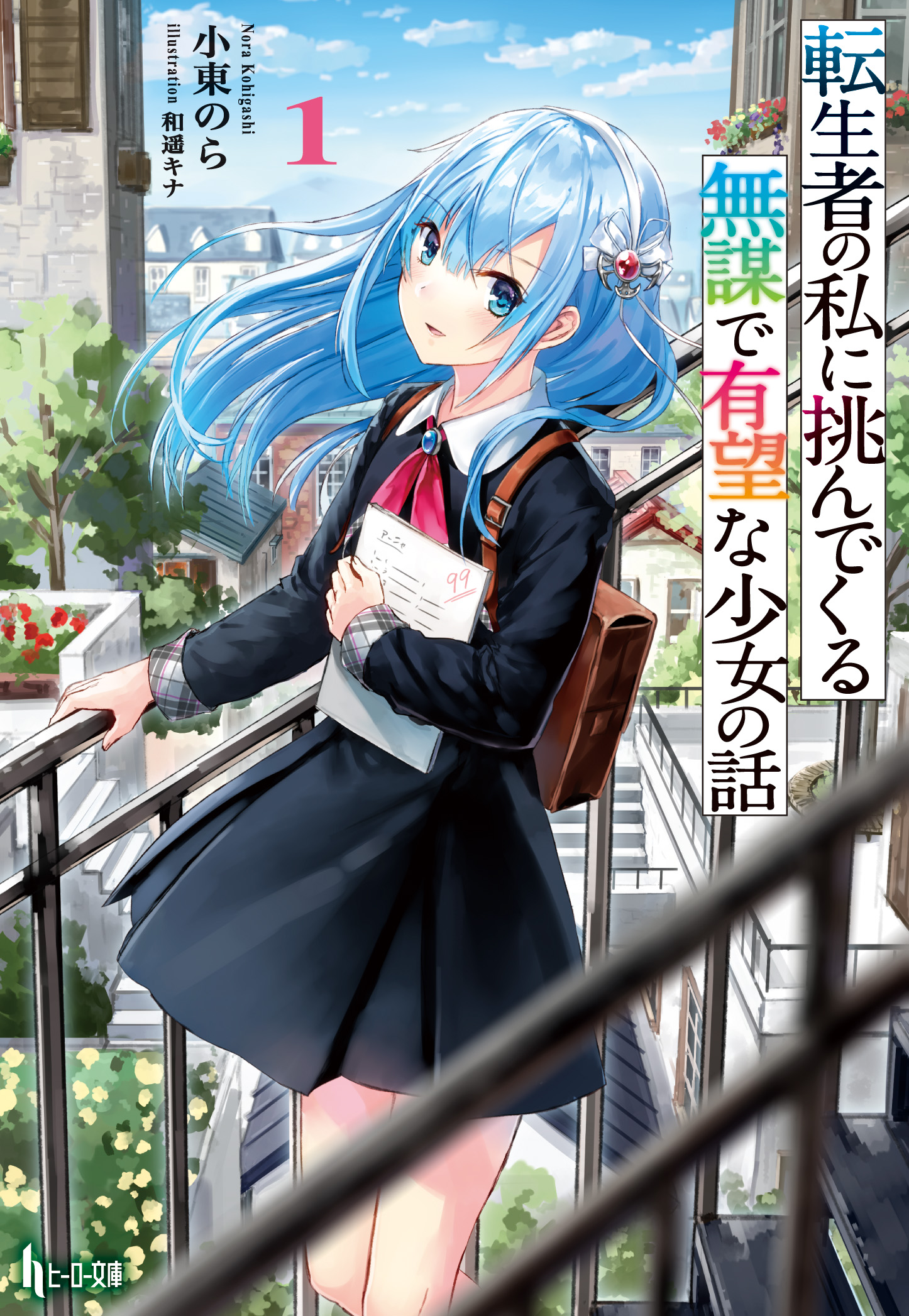
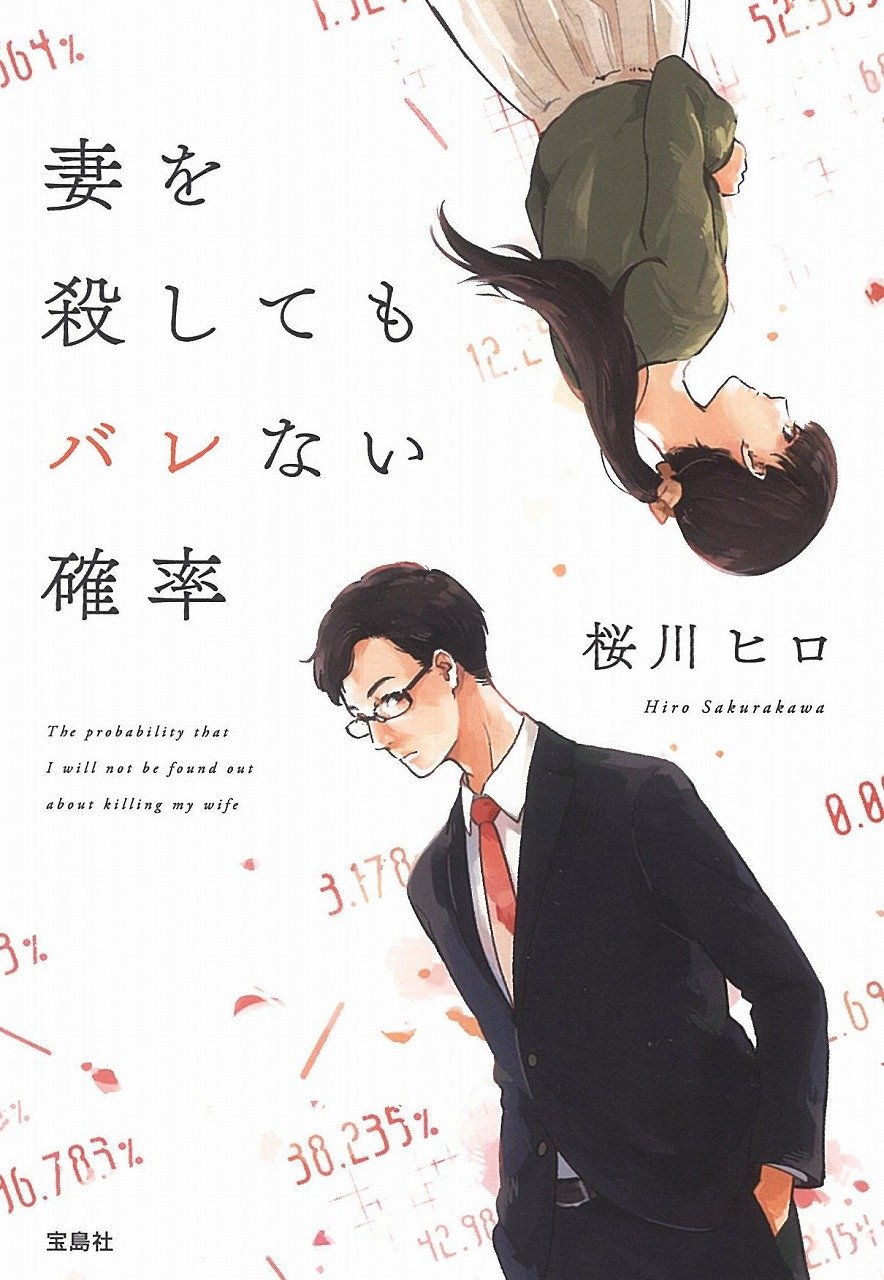
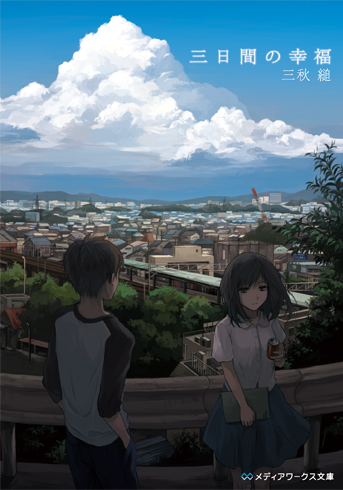
Top 15 All Time Best Japanese Romance Novels in 2026
All-time best Japanese romance means novels that defined the genre's distinctive approach: slow-burn development, internal monologue emphasis, and the gradual accumulation of small moments. These established conventions that readers now expect from Japanese romance.
These selections maintained high ratings and readership over extended periods. They influenced how later authors approach romantic pacing and character development in Japanese light novels. Some techniques feel standard now because these novels made them that way.
Conclusion
All-time best means tested by years of readership rather than current hype. These Japanese romance novels shaped genre conventions. Understanding them provides context for why modern Japanese romance works the way it does.
How We Create Our 2026 Rankings
Our 2026 novel rankings are created through a comprehensive, data-driven process that combines quantitative metrics with qualitative editorial review. Here's how we ensure our rankings reflect the best novels available today.
Data Collection
We aggregate reading data, ratings, and engagement metrics from thousands of readers across multiple platforms, updated regularly throughout 2026.
Community Input
Reader ratings and reviews form the foundation of our rankings. We weight votes based on verified reading history to ensure authenticity.
Quality Scoring
Each novel receives a composite score based on average rating, vote count, reading list additions, and reader retention metrics.
Editorial Review
Our editorial team reviews top candidates for writing quality, translation accuracy, and overall reader experience.
Regular Updates
Rankings are refreshed quarterly to reflect new releases, updated ratings, and shifting reader preferences in 2026.
Transparency
We publish our methodology openly so readers understand exactly how novels earn their positions in our rankings.
Our 2026 Ranking Criteria
- 40%Reader Rating Score (weighted by vote count and recency)
- 25%Popularity Metrics (reading list additions, active readers)
- 20%Engagement Score (comments, reviews, recommendations)
- 15%Editorial Assessment (writing quality, translation, completeness)
Last updated: January 27, 2026 | Rankings reflect data collected through 2026