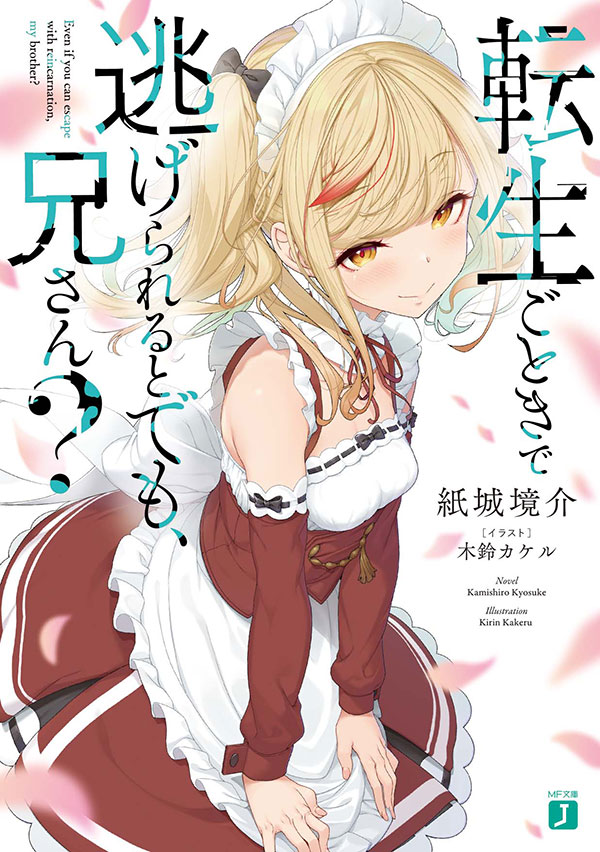
Top 11 Japanese Horror Novels in 2026
Japanese horror in web novel form draws from the same traditions as J-horror films but with more room to build dread. The format allows for slow reveals and atmospheric tension that would be harder to sustain on screen. Curses, vengeful spirits, and the violation of social taboos appear frequently, often with modern twists.
What sets Japanese horror apart is the emphasis on psychological unease over gore. The scary parts come from implications and wrongness rather than explicit violence. Not all of these are pure horror though. Some blend in supernatural action or mystery elements. The ones that commit fully to horror tend to be shorter and more focused.
Conclusion
Horror is less common in Japanese web fiction than lighter genres. This list represents the stronger options available in translation, but it's not a huge selection to choose from.
Frequently Asked Questions
How We Create Our 2026 Rankings
Our 2026 novel rankings are created through a comprehensive, data-driven process that combines quantitative metrics with qualitative editorial review. Here's how we ensure our rankings reflect the best novels available today.
Data Collection
We aggregate reading data, ratings, and engagement metrics from thousands of readers across multiple platforms, updated regularly throughout 2026.
Community Input
Reader ratings and reviews form the foundation of our rankings. We weight votes based on verified reading history to ensure authenticity.
Quality Scoring
Each novel receives a composite score based on average rating, vote count, reading list additions, and reader retention metrics.
Editorial Review
Our editorial team reviews top candidates for writing quality, translation accuracy, and overall reader experience.
Regular Updates
Rankings are refreshed quarterly to reflect new releases, updated ratings, and shifting reader preferences in 2026.
Transparency
We publish our methodology openly so readers understand exactly how novels earn their positions in our rankings.
Our 2026 Ranking Criteria
- 40%Reader Rating Score (weighted by vote count and recency)
- 25%Popularity Metrics (reading list additions, active readers)
- 20%Engagement Score (comments, reviews, recommendations)
- 15%Editorial Assessment (writing quality, translation, completeness)
Last updated: January 27, 2026 | Rankings reflect data collected through 2026